
The Story
Why it exists.
The beginning
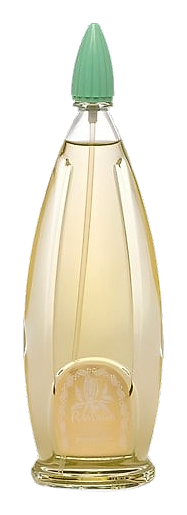
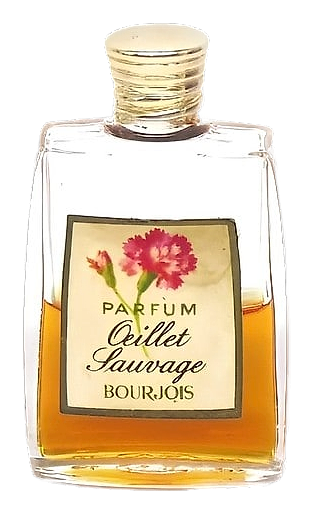
Oeillet Sauvage translates to wild carnation, and the name does the work upfront. Launched in 1918 by Bourjois, the composition foregrounds one flower rather than blending it into polite obscurity. One flower, centered, presented on its own terms. Here is a carnation, here is what it actually smells like, take it or leave it. The spicy, clove-like warmth that carnation carries naturally does the rest of the work, creating something warm and structural. The soliflore approach means nothing distracts from the material itself, no supporting cast of orientals or ambers to round the edges, no ornamental additions to soften the impact. What you smell is carnation, and carnation only, with all its natural peppery heat intact.
Carnation is unusual in perfumery because it brings its own spice. The flower naturally contains eugenol, the same compound that gives cloves their heat, so a carnation soliflore is never just floral. It arrives already spiced, already warm, already a little challenging. That built-in complexity is what makes the flower such an unconventional choice for a single-note composition. Most florals ask the perfumer to construct their character from outside materials, layering accords to simulate what other flowers offer naturally.
The evolution
The opening hits immediately with carnation at full volume, spicy and almost clove-like, the peppery warmth unmistakable. There is no polite ramp-up. The carnation dominates from the first spray, warm and dense, carrying its built-in heat without apology. The initial impression is sharp and direct, almost pungent in its clarity, the way raw clove oil can feel intense before it settles. For the first stretch of wear the carnation holds center stage, dense and unmistakable, with a green stem-like freshness woven through the spice that prevents it from feeling heavy. The composition gradually softens, the spiciness settling into something warmer and more skin-like. The dry powdery quality of the flower comes forward, still recognizably carnation but gentler, more lived-in. The pepper recedes slowly, replaced by a softer warmth that sits closer to the body.
Cultural impact
Oeillet Sauvage belongs to a tradition of French soliflores that built entire compositions around a single flower. Compositions like this one treated their lead note as the complete statement, demonstrating that a well-chosen material could carry a fragrance on its own without requiring ornamentation or support. For wearers who appreciate the directness of vintage perfumery, the kind that presents its materials without filtering them through modern conventions, this offers a window into how French houses once approached florals. It wears close, it lasts, and it does not perform. That honesty is its cultural position.