The Story
Why it exists.
The beginning
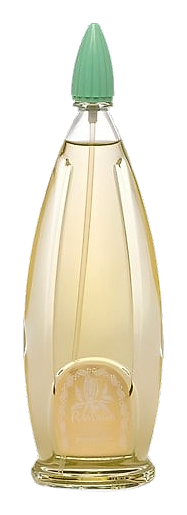
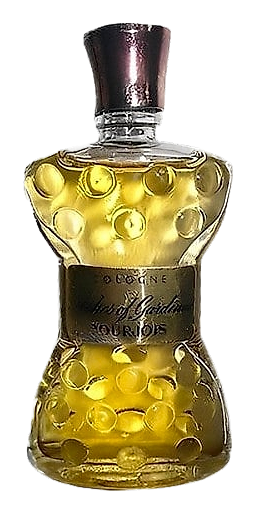
In 1910, Bourjois released Ashes of Gardenia, a fragrance built around a single white floral note: gardenia. The composition is listed as containing just gardenia, which is unusual in itself, a soliflore stripped of supporting cast. Gardenia carries a particular density in perfumery, a creamy, almost narcotic white bloom that has long intrigued noses for its difficulty. The name Ashes adds a layer of intrigue, hinting at something darker beneath the cream, a smoke-shadow over the petals that sets the fragrance apart from lighter gardenia interpretations. Discontinued long ago, it survives now as a piece of fragrance archaeology, a glimpse into what early twentieth century French perfumery offered when the modern industry was still taking shape.
A single-note gardenia construction is rarer than it sounds. The flower itself is notoriously difficult to capture, its creamy-lactonic character hovering between jasmine's indolic depth and tiare's coconut warmth. What the reference data calls animalic likely refers to the slightly fleshy, skin-adjacent warmth that gardenia shares with jasmine and certain musks, a quality that makes the bloom read almost edible in concentrated form. In a 1910 context, a fragrance built around that one flower reflects the aesthetic vocabulary of its era, trusting the raw material to carry the composition.
The evolution
On skin, Ashes of Gardenia opens with gardenia at its most immediate, a cool, almost wet quality before the flower fully arrives. The cream floods in, dense and slightly waxy, the lactonic warmth that defines the composition settling over the skin like humidity. The heart phase is the longest and most unchanging: pure, uncut gardenia for hours, the kind of sustained single-note reading that rewards patience or punishes it depending on your tolerance for white floral density. There is no real transition here, no surprise pivot, no spice or wood arriving to complicate the picture. What changes is the cream itself, losing its cool edge and deepening into something more buttery, more skin-like. By the late drydown, the gardenia has warmed to almost an amber quality, the lactonic sweetness reading closer to warm skin than to a flower.
Cultural impact
Ashes of Gardenia sits in an unusual space among vintage French fragrances, a 1910 release that has slipped into near-obscurity. Its launch date places it in the early arc of modern French perfumery, well before the blockbuster era reshaped how scents were marketed and sold. The name itself, Ashes, hints at a darker undertone beneath the gardenia's cream, a smoke-shadow that the listed notes suggest without fully explaining. Discontinued long ago, the fragrance survives primarily through vintage bottles and collector curiosity, a piece of early-twentieth-century French perfumery that rewards the patient nose.