
The Story
Why it exists.
The beginning
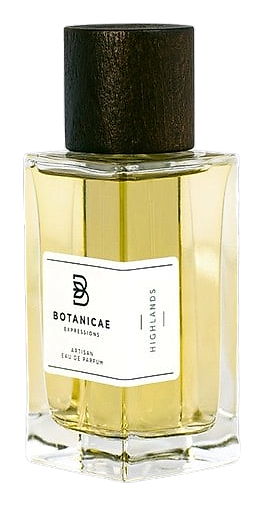
Botanicae builds fragrances around botanical narratives, and Highlands grew from a question: what does a flower smell like when it has to fight for survival? The Scottish name isn't about geography. It's about the idea of elevation: the way height strips away softness and leaves only what matters. Juniper and black tea open the composition like cold air at a ridge line, then hand off to florals that have learned not to announce themselves. The fragrance captures something essential about plants that endure rather than merely flourish, aromatics that carry the memory of harsh conditions without becoming harsh themselves. There's a quiet intensity to the blend, a sense of resilience that reads as elegance rather than severity. The flowers in Highlands don't beg for attention; they hold it.
The Earl Grey tea note is unusual in masculine-leaning compositions, usually tea reads as aquatic or green in a safe way. Here it's paired with juniper, which adds a medicinal edge that keeps the opening from feeling like a spa product. The real surprise is the tuberose. In most fragrances, tuberose is thick, almost cloying, the smell of gardenias in full sun. In Highlands, cedarwood wraps around it, taming the sweetness into something wilder. The hay in the base isn't a typo or an accident, it's what gives this fragrance its dry, grassy quality that makes the leather and oakmoss feel earned rather than imposed.
The evolution
The opening is the most assertive phase, juniper and black tea arriving together, sharp and aromatic, something close to the smell of crushed herbs. There's a medicinal quality that some will love and others will find off-putting, a clarity that announces the fragrance before it settles into more nuanced territory. Then the heart takes over: tuberose and cedarwood emerge slowly, the floral note losing its usual sweetness, becoming austere and almost wild. The transition isn't dramatic, it's the difference between a mountain path at noon and at two in the afternoon, the light changing without the landscape shifting. By the time the fragrance has settled, the base arrives: leather, oakmoss, hay, and musk settling into the skin like a memory of the place the fragrance is named for. The drydown is intimate, this is not a fragrance that announces itself from across a room.
Cultural impact
Highlands occupies an unusual position: a green fragrance that refuses to be fresh, a floral fragrance that refuses to be sweet. The juniper-tea opening sets a tone that is both grounded and elevated, avoiding the conventional paths of aromatic masculinity while embracing something more complex. The tuberose heart gives it a depth that rewards attention, a floral element that has shed its usual associations with softness and entered territory that feels almost untamed. This is a fragrance for someone who walks into a room without needing to announce themselves, quiet confidence expressed through scent rather than presence.