The Story
Why it exists.
The beginning
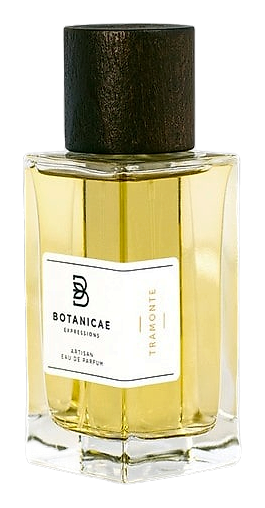
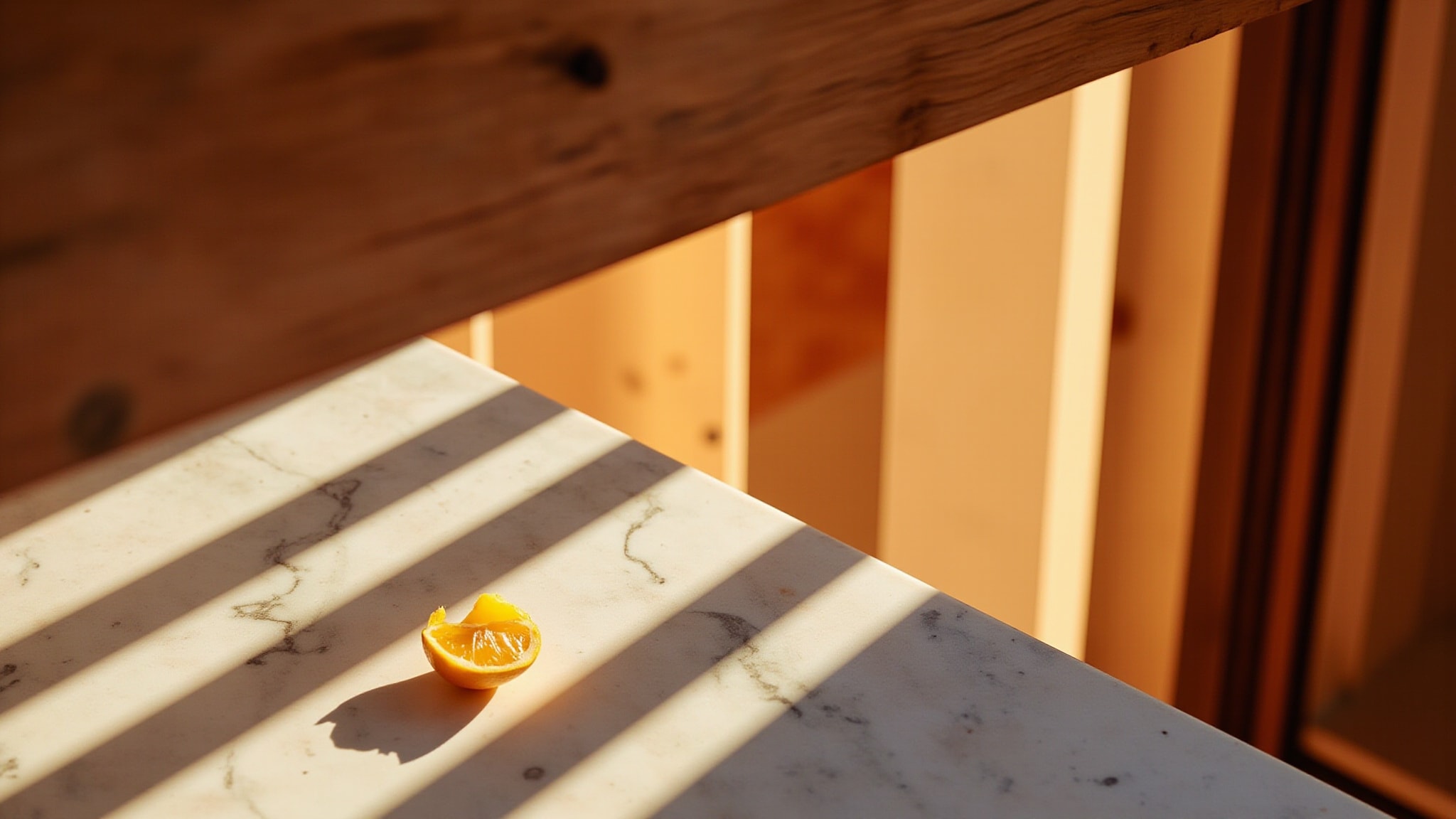
Tramonte was born from a single question: what does the last light of day smell like? The name itself, between earth and sky, points toward that liminal quality, the hour when warmth still lives in the air but the cool is already coming. Botanicae built this around the tension between brightness and depth: yuzu and bergamot to capture the first flicker, cedar and frankincense to mark where the shadows take over, amber and sandalwood to hold the warmth once the light is gone. It's a quiet narrative, not a proclamation but a companion. The kind of scent that settles into a room without demanding anyone look up.
Yuzu brings a slightly bitter, almost medicinal quality that elevates it beyond standard citrus, closer to grapefruit than to lemon, which keeps the opening from going sweet too fast. Nutmeg acts as a bridge, neither fully top note nor heart, pulling the composition forward into the incense phase. The frankincense is quiet rather than dramatic, smoke without drama, resin without aggression. And the base is where Tramonte earns its name: amber and sandalwood create a creamy warmth, but the vanilla adds a powdery softness that keeps it from being simply warm. It's resinous without being sticky.
The evolution
The opening hits bright, yuzu sharp and slightly bitter, bergamot sweet and sparkling, a whisper of nutmeg underneath. It's citrus that means business. As the top notes recede, the incense arrives quietly, not smoke, more like resinous warmth curling through the cedar. The cedar itself is dry, almost austere, but it doesn't take over. It shares space with the frankincense, and together they build something that feels more considered than dramatic. The amber begins to show, starting warm and resinous before the sandalwood softens it into cream. Vanilla finishes the drydown, not loud vanilla, but powdery and close, the kind that stays near the skin rather than announcing itself across the room. The drydown lingers, amber and vanilla that settle into skin warmth and stay intimate. There's a faint trace of vanilla on the collar, the kind that makes you lean in.
Cultural impact
Tramonte occupies a specific corner of the woody oriental category, warm enough for cooler seasons, bright enough for those who find most orientals too heavy. Wearers who connect with it tend to describe it as Mediterranean in spirit: golden afternoon light, warm evenings, the kind of composure that doesn't need to announce itself. It's not a statement fragrance. It doesn't open conversations or fill rooms. But for those who want amber and cedar and vanilla in something that behaves rather than performs, it's earned its place. The scent has a quiet confidence that appeals to those who appreciate depth without drama.