
The Story
Why it exists.
The beginning
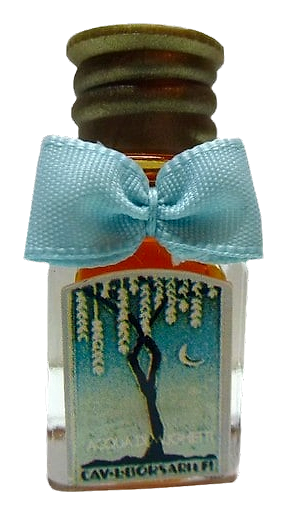
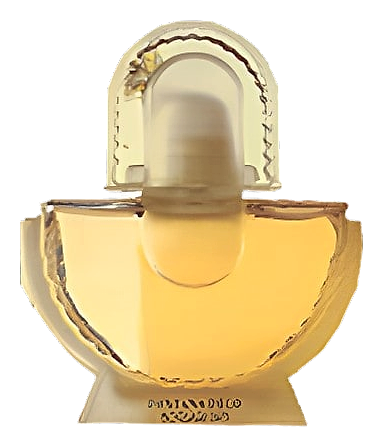
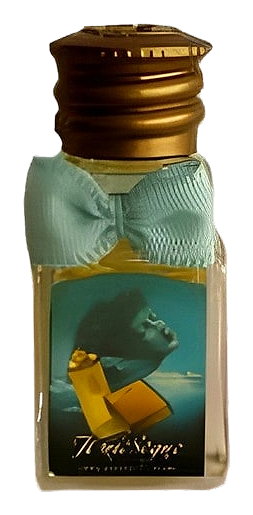
Sogno d'Ebrezza arrived in 1928 from Borsari, a Parma house rooted in Emilian perfumery tradition. The name carries its own poetry, suggesting something softer than intoxication: a reverie, a swoon, a florals-so-rich-you-felt-them-before-you-named-them moment that defined feminine scent in the late 1920s. Borsari drew from a tradition of regional florals, and this particular release leaned into that inheritance, building a bouquet-style composition rather than a single-note statement. It reads as a confident feminine perfume, composed in Parma when floral craftsmanship was still the quiet backbone of Italian perfume houses, designed for a wearer who wanted presence without performance, sophistication without spectacle.
What makes Sogno d'Ebrezza structurally interesting is its commitment to the abstract floral. Rather than leading with a recognizable soliflore (a single flower as the star: rose, violet, jasmine) or a clearly named accord, it goes the other way: a layered bouquet where the individual blooms blur into a unified impression. You don't smell one thing. You smell many things at once, and the sum becomes something that resists easy categorization.
The evolution
Opens with that 1920s softness, no sharp citrus to cut through, no aldehydes (sparkly, soapy-synthetic molecules that add lift and fizzy brightness) shouting for attention. Just a rounded floral sweetness that feels almost powdery on first skin contact, the kind of soft landing that feels deliberate rather than accidental. The heart doesn't pivot; it deepens. Whatever petals were present in the opening get richer, warmer, more like a handkerchief kept in a drawer than a freshly cut garden. There's no sharp transition to a base, no surprise smoke or resin crash. The drydown stretches the same idea thinner and warmer, a slow release of what came before, softening further into something close and personal. What survives the longest isn't any single flower; it's the idea of the bouquet itself, a floral impression that reads more like memory than ingredient.
Cultural impact
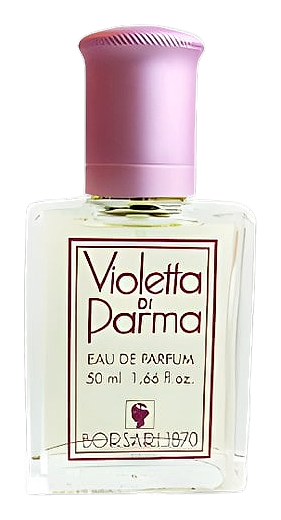
Sogno d'Ebrezza sits within a Parma tradition of classical feminine florals, alongside house staples Violetta di Parma and Bouquet di Violette. As a discontinued 1928 release, it carries the particular weight of a composition from a specific moment in Italian perfumery, one where Parma houses were defining what feminine florals could be before the broader shifts of the mid-century. Its appeal today is anchored in its vintage character: the kind of scent that rewards anyone drawn to early twentieth-century Italian perfumery, where restraint, regional materials, and floral craftsmanship were the core vocabulary.