The Story
Why it exists.
The beginning
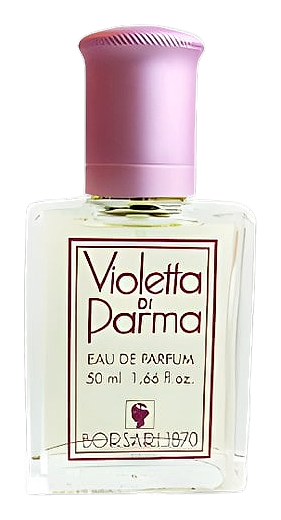
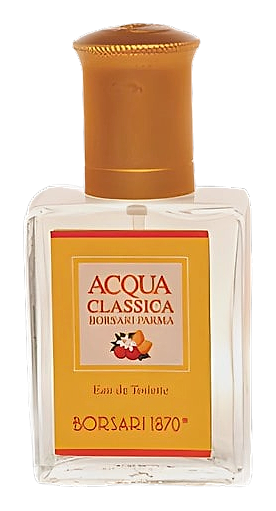
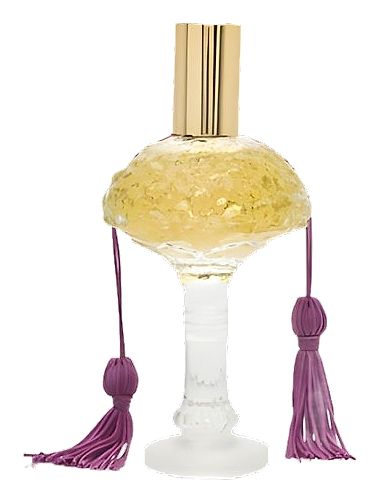
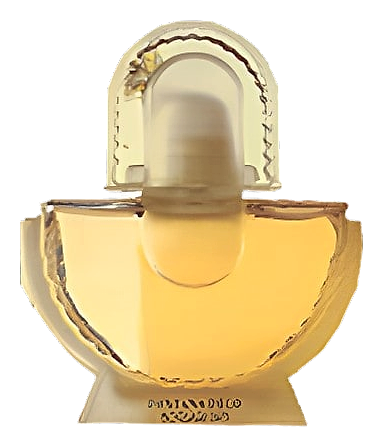
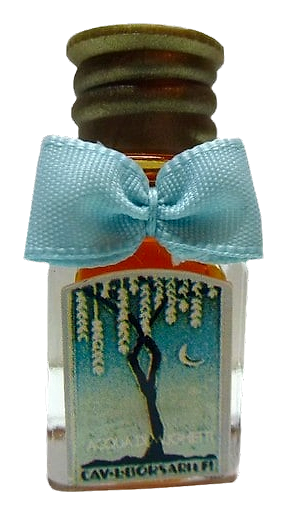
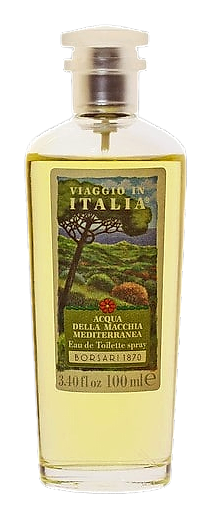
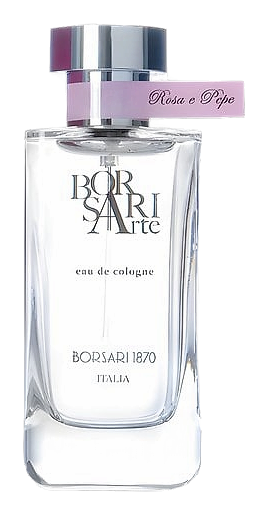
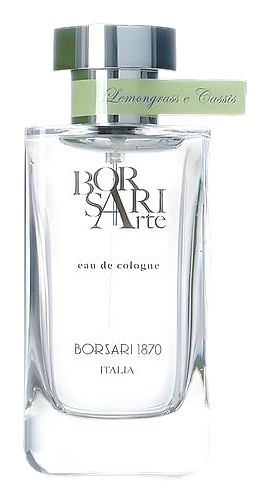
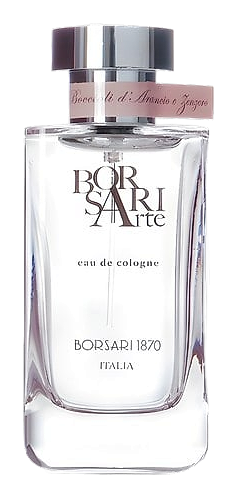
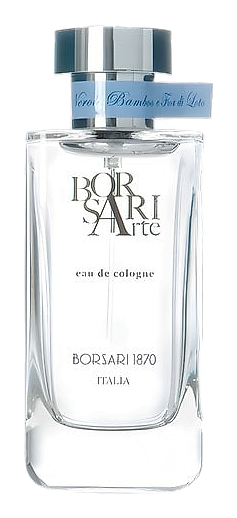
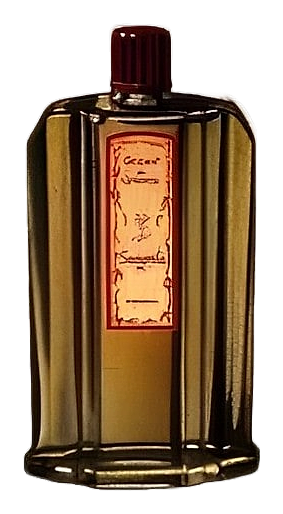
Sangri-la arrived in 1930 from Borsari 1870, a Parma perfumery. The house had already developed its sensibility on regional Italian colognes by then, and Sangri-la reads like a thesis statement for everything the brand believed about scent: citrus as architecture, florals as ornament, nothing dressed up past the point of clarity. The name points somewhere distant, but the composition stays resolutely local. Sangri-la wears that provenance without announcing it. There is no dramatic gesture, no velvet-lined excess, no attempt to layer the composition into something denser than it needs to be. The formula respects the wearer's attention rather than demanding it.
What makes Sangri-la interesting structurally is what it leaves out. The citrus and floral notes are allowed to carry the full composition themselves, the freshness functioning as both opening and architecture. Rather than leaning on heavy base materials to anchor the structure, the fragrance trusts its lighter elements to do the work of a much denser formula. This creates a wearing experience that feels closer to watercolours than to oils: airy, translucent, never opaque.
The evolution
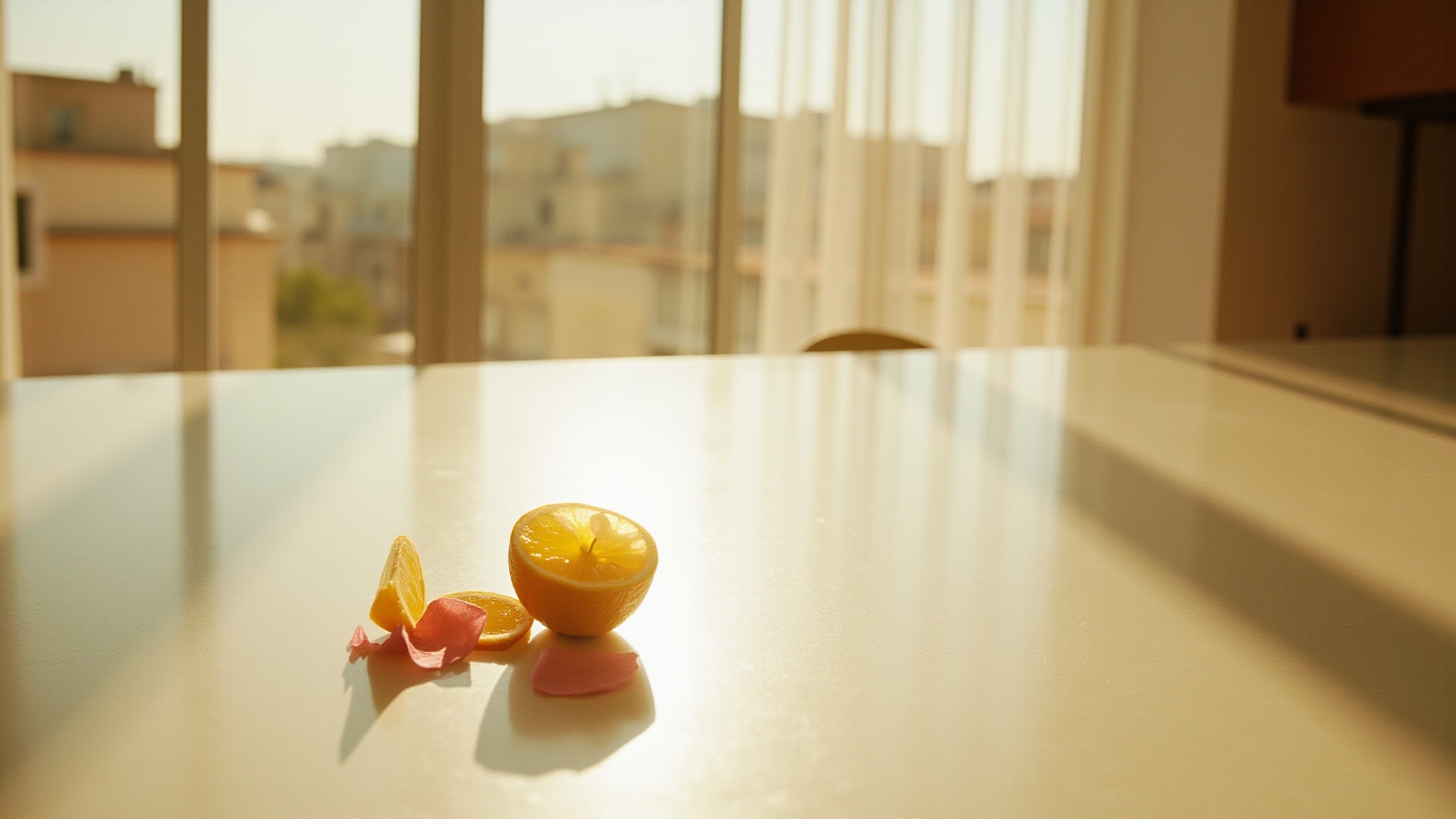
Sangri-la opens before you have time to reach for your coffee. The citrus arrives fully formed, a bright peel-note hitting the skin with the immediacy of a juice-covered thumb pressed to your wrist. There is no fumbling for the door handle, no warm-up lap. The first ten minutes are pure sunlight. Around the fifteen-minute mark, the florals start to interject. White-flower and petal softness surface underneath the citrus, not replacing it but softening its edges into something more rounded and human. The composition feels less like a glass of cold juice and more like walking through a garden after a morning rain, the petals still holding water. This heart phase runs for another hour or so, the citrus gradually withdrawing while the flowers take more of the weight. The drydown is where Sangri-la reveals its confidence.
Cultural impact
Sangri-la occupies a quiet corner of the vintage perfume world. Its appeal lies in what it teaches about an earlier Italian tradition, one that did not need to seduce or dominate to be worth wearing. The composition is built for daily wear rather than special occasions, designed to sharpen the air around the wearer rather than announce their arrival. For anyone interested in how Italian colognes sounded in the years when the form was still finding its modern voice, Sangri-la offers a remarkably intact window into that moment.