The Story
Why it exists.
The beginning
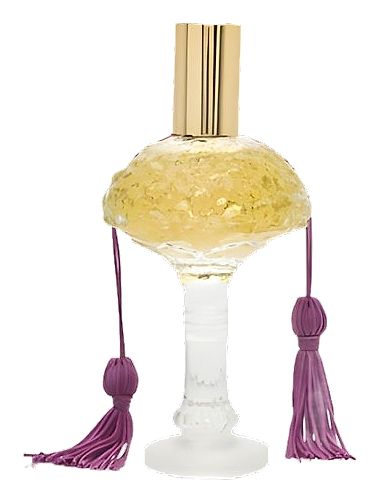
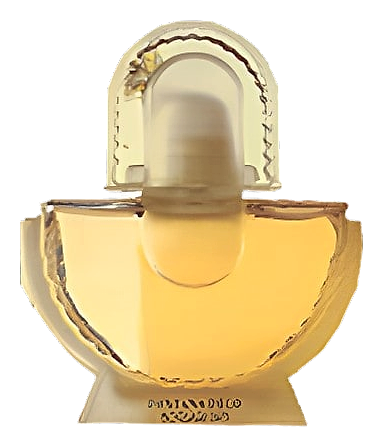
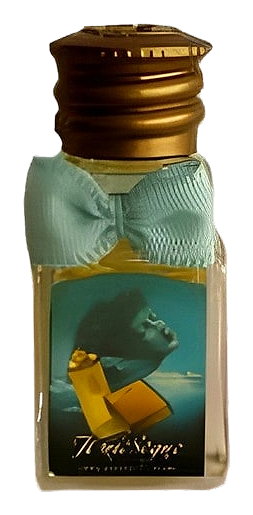
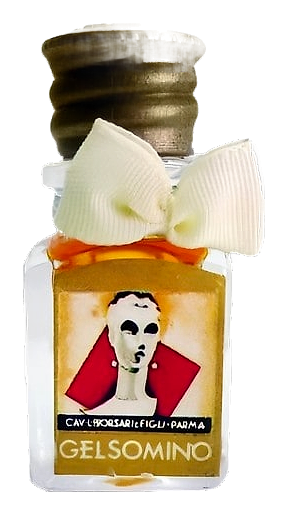
Regina Saba arrived in 1928 from Borsari, whose catalog places the date 1870 in its modern name. The composition belongs to the oriental floral tradition, a category that draws on resins, warm woods, and dense floral materials rather than the lighter citrus-and-green register that dominated other Italian work of the period. Its profile reads warmly from the start. There's a settled quality to it, a sense that the florals and the resinous elements were blended rather than layered as separate gestures. The accord feels architectural: the florals supply lift and shape, and the warmer materials underneath supply the mass. You can almost picture the workroom where such a thing was composed, the patience required to balance something so quietly weighted.
What defines the character of Regina Saba is the relationship between its florals and its warm base. The florals are present without ever feeling thin or gauzy, and the warmth underneath provides structure rather than weight. The oriental register emerges as a feeling rather than a literal spice rack. You sense something resinous, something slightly sweet in a balsamic way, but the overall impression stays floral at its core. This is a composition that holds its composure as it wears. It doesn't fracture into obvious stages where the top disappears and the base takes over.
The evolution
The opening carries warmth right away. There's no bright or sharp introduction. Instead, a soft floral register arrives first, something that reads as petals warmed by lamplight rather than crushed in a field. The oriental weight sits underneath, holding the florals in place like a hand beneath a bowl. Within the first hour, the accord begins to thicken. The florals take on a denser texture, losing some of their initial transparency and gaining something almost ambered in feel. You begin to understand why this was called an oriental floral. The two halves of its identity stop negotiating and start merging. Past the second hour, the spice registers surface more clearly. The warmth stays gentle. It feels dissolved rather than scraped, the way a spice note might blend into a creamy base when it's been properly macerated rather than layered on top.
Cultural impact
Regina Saba was composed in 1928, placing it within an era when European perfumers were exploring how warm, eastern-leaning materials could be folded into classical floral structures. Its appearance in the catalog of Borsari, a house whose name carries the date 1870 and an association with Parma, anchors it within an Italian tradition of composition that valued materials over marketing cycles. The fragrance belongs to a category often described as oriental floral, and within that category it represents a quieter register. Where many compositions in the genre leaned on volume and projection, Regina Saba holds its warmth close.