The Story
Why it exists.
The beginning
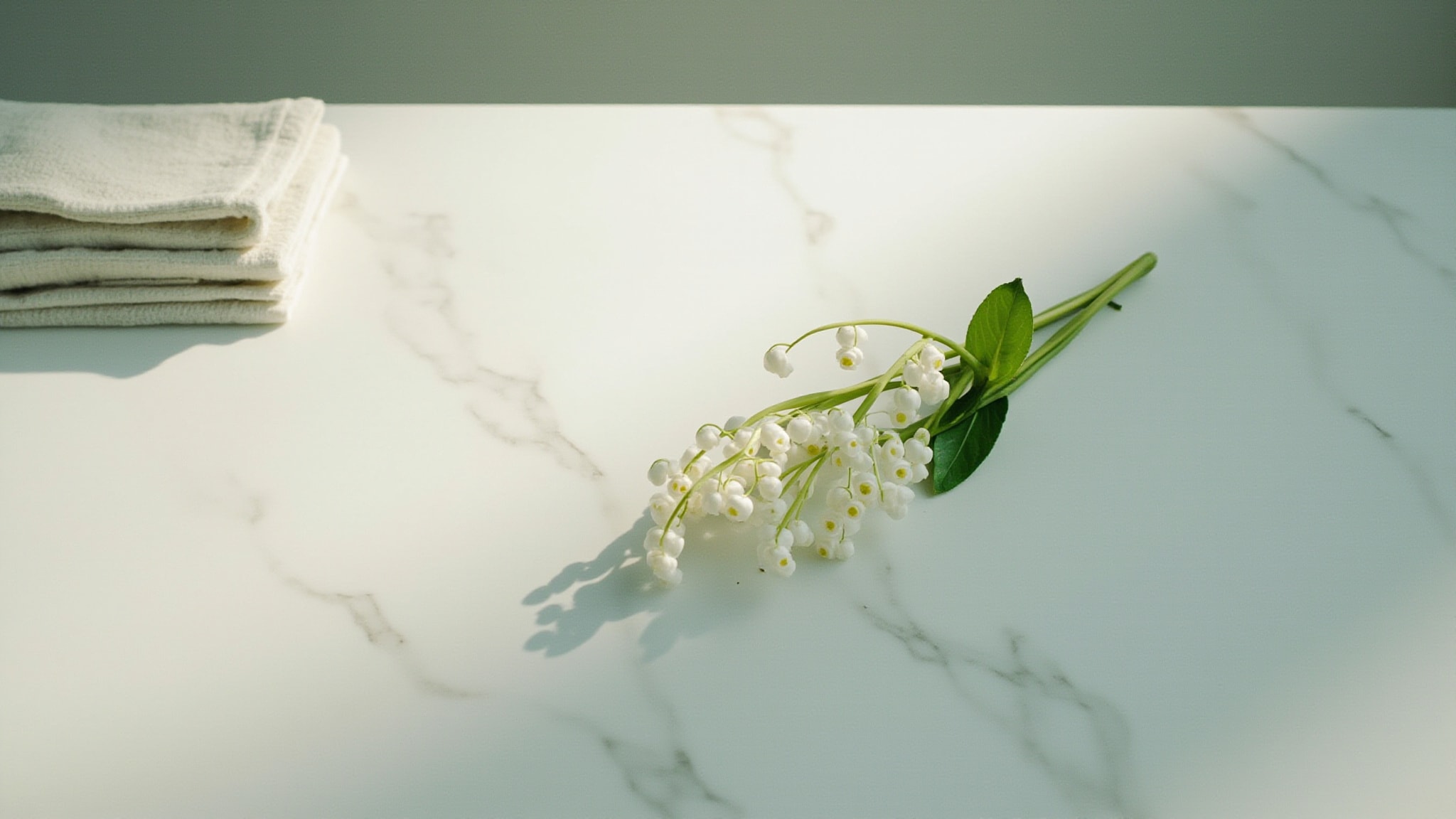
Mughetti is Italian for lily of the valley, and the name says exactly what you're getting. Borsari released it in 1920, a period when soliflore perfumes were a familiar, almost expected approach in mainstream perfumery, the default way to present a single floral subject. One flower, treated with respect, allowed to speak in full sentences rather than fragments. The accord is constructed rather than extracted: muguet yields almost no natural oil through conventional distillation, so every bottle is an interpretation built from aroma chemicals and a perfumer's ear for proportion. Borsari's Mughetti fits squarely into the early-century Italian tradition of single-flower compositions: direct, unfussy, composed with intention and a respect for the material that doesn't need to announce itself.
What separates a soliflore from a lazy composition is the perfumer's attention to every facet of a single bloom. Lily of the valley is notoriously tricky, a flower that yields almost no natural oil, so what you smell is always a constructed interpretation built from green aldehydes, floral bases, and the kind of bitter-fresh aromachemicals that mimic crushed stems and wet petals. Borsari's version leans into the green, soapy, slightly bitter quality that makes muguet read as cool and clean rather than sweet.
The evolution
First thirty minutes, it's all green snap and white clarity. The lily of the valley opens like someone snapping a stem, releasing that dewy, almost cucumber-cool exhalation. The top reads as crushed leaves and cold water. Halfway through the first hour, the green softens and a powdery warmth settles underneath, the way sunlight changes the color of white linen. The spicy edge deepens quietly through the second hour, warm but restrained, giving the muguet a backbone without overwhelming it. By hour three or four the green has faded considerably, leaving powder and a faint musky softness on the skin. It doesn't shout. It doesn't project far. It stays within arm's reach and stays clean until it fades, the kind of scent that feels freshly applied even at the end of the day.
Cultural impact
Mughetti carries the unmistakable character of an early twentieth-century Italian soliflore, a category of perfume that prioritized fidelity to a single flower over compositional complexity. Worn today, it offers a window into an older style of perfumery, one where restraint was a virtue and projection was kept polite. The appeal lies in that period charm: the scent reads as composed, intentional, and refreshingly direct in a market saturated with elaborate multi-note constructions.