
The Story
Why it exists.
The beginning
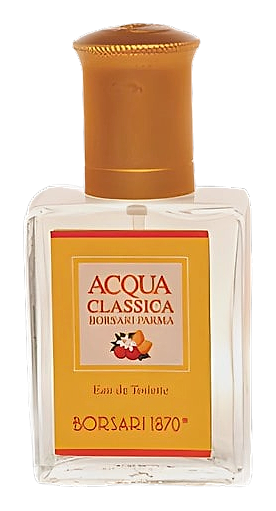
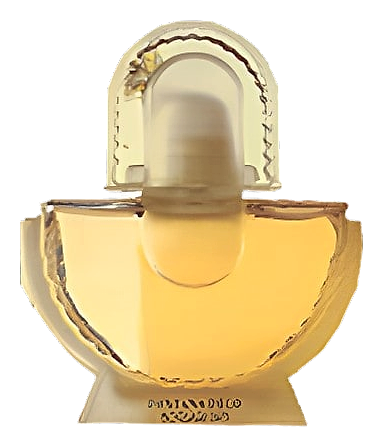
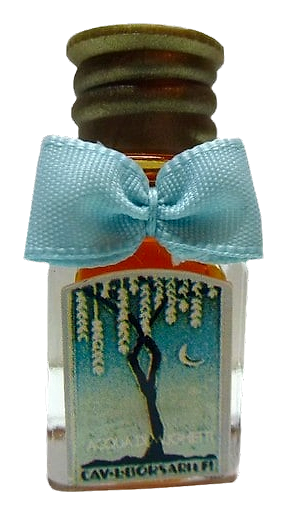
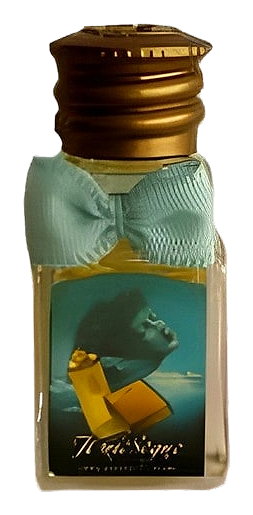
Parma in 1924 was already a city that knew its way around a perfume bottle, and Borsari had spent years building a house with a sensibility all its own. Bacio de Duchesse emerged from that sensibility: a feminine floral composition that favored softness over spectacle, intimacy over projection. The name translates roughly to a duchess's kiss, and the fragrance behaves accordingly, polite, refined, never grasping for attention. The juice inside reads as a single impression rather than a sequenced performance of other moments, a bouquet that announces itself with restraint. There is no bright citrus spark on the opening, no green bite of crushed leaves, no assertive aldehyde that demands you notice.
What makes Bacio de Duchesse worth noticing is what it leaves out. The reference sources describe only a unified floral accord, no segmented pyramid, no parade of named materials. That restraint is the point. The fragrance builds a single impression rather than a timeline of revelations, asking the wearer to take in the whole picture at once instead of auditing each layer in order. You don't get a top note that shouts, a heart that sighs, and a base that mumbles. You get flowers, all of them, all at once, presented as one continuous breath.
The evolution
On skin, Bacio de Duchesse doesn't perform. It settles. The first hour is the softest: a gauzy floral veil that hovers just above the collarbone, close enough to catch when you lean in but absent from across a room. There's no sharp citrus slap to start, no green bite. Just warmth, as if the flowers were already pressed and dried before they reached the bottle. As the hours pass, the composition rounds out rather than shifting dramatically. The floral accord keeps its shape but loses some of its initial gauze, becoming more tactile, more skin-like, the way a real bouquet warms in your hands. There is a quiet sweetness that emerges underneath, the soft suggestion of ripe petals rather than any syrupy fruit accord, sweet but never candied.
Cultural impact
Bacio de Duchesse sits in a small, nearly forgotten corner of early 20th-century Italian perfumery, a floral composition that has slipped quietly out of active circulation. Its discontinuation has left it as a curiosity rather than a contemporary reference point, the sort of bottle that surfaces in vintage collections and old apothecary cabinets rather than modern fragrance counters. For wearers today, that obscurity is part of the appeal: a floral that never had to compete for attention and still doesn't.