The Story
Why it exists.
The beginning
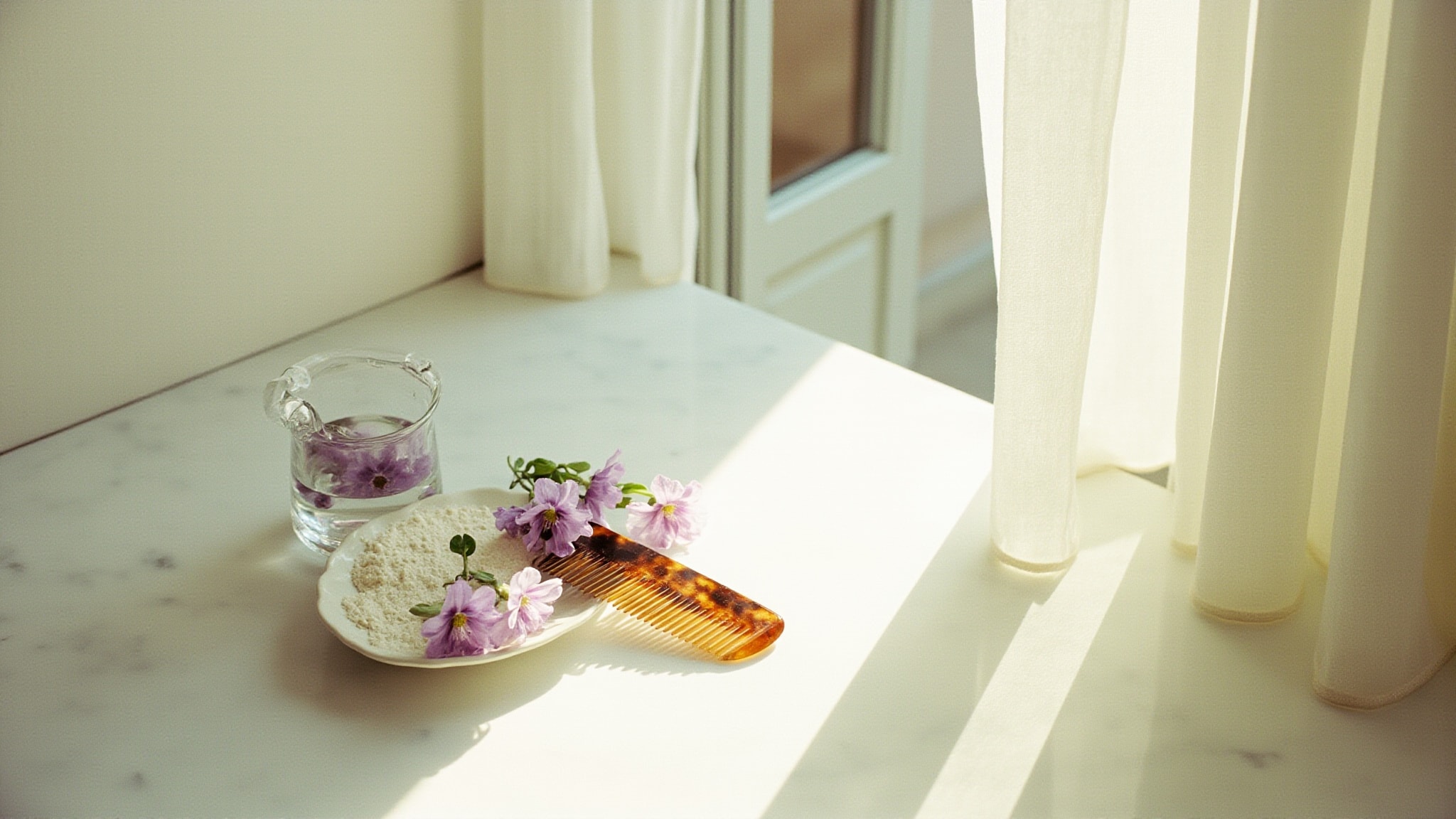
Acqua di Voile arrived in 1890, carrying with it the quiet confidence of a house that had already learned what restraint could do. The composition is a study in economy: floral, with violet doing the heavy lifting and almost nothing else competing for attention. There is no orchestral arrangement of competing materials, no layered architecture designed to announce itself across a crowded room. Instead there is a single thread, pulled taut and allowed to hum at its own frequency. The violet here reads as the perfumer understood it: powdery, cool, with that watery sweetness that makes the flower feel less like decoration and more like a statement of intent.
What makes the composition distinctive is what it leaves behind. The violet carries the entire structure, a flower known for its powdery, almost metallic greenness that sets it apart from the sweeter florals that dominated its era. The accord reads powdery, fresh, and woody without ever announcing where each thread begins. There is a coolness to the violet here, a quality that suggests early morning rather than midday warmth, and that coolness persists through the life of the fragrance like a watermark pressed into the paper.
The evolution
The opening is green and quiet, like violet stems snapped in a garden after rain, cool and vegetal with a mineral edge that reads as clean water rather than perfume. The flower hasn't fully arrived yet. It's there in suggestion only, a cool whisper that registers more like a feeling than a defined note. As the composition settles against the skin, the violet opens. The powder emerges, soft and fine, that specific powdery quality that sits somewhere between crushed petals and the dust inside a vintage compact. Not chalky. Soft. The floral heart holds without pushing outward, settling into a shape that stays consistent through the middle stretch of the wear. There's a woodiness underneath, barely spoken, that prevents the composition from floating away entirely. What remains as the hours pass is a hush of violet, the flower grown quiet but still present, still casting its particular spell.
Cultural impact
Acqua di Voile carries the particular gravity of a composition released in 1890, a year that places it among the earliest examples of what women's perfumery could become when treated with seriousness. Its status as apparently discontinued adds a layer of scarcity that makes finding a bottle feel like recovering a small piece of history rather than making a simple purchase. The fragrance doesn't chase trends or attempt to remake itself for contemporary tastes. It exists as it was made, a document of how violet was understood at a particular moment in the history of scent.