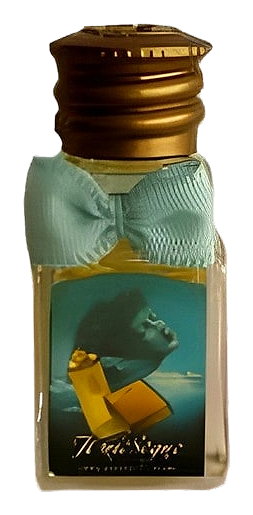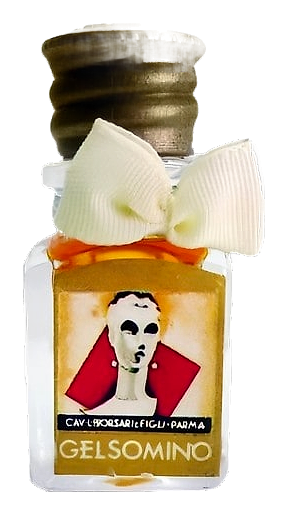

The Story
Why it exists.
The beginning
Borsari released Acacia in 1930, a piece composed almost entirely around a single botanical that doesn't always get the spotlight it deserves. The acacia tree, also called the false acacia or black locust, blooms with cascading clusters of small white flowers in late spring. Their scent is unmistakable: sweet, almost honeyed, with a green freshness that keeps the sweetness from becoming cloying. In perfumery, acacia has always been a more restrained choice than rose or jasmine. It doesn't project as loudly, doesn't seduce as overtly. It sits close to the skin, a quiet presence rather than a loud one, and that intimacy becomes part of the wearing experience.
There's something interesting about what Borsari chose to do and not do here. The composition centers on acacia, with a straightforward, single-flower focus rather than a layered bouquet. The result is a fragrance that reads as a portrait of one botanical rather than a crowded garden scene. The acacia note carries the entire structure, and everything around it serves to keep that central flower legible. The fragrance had to stay light, had to stay close to skin, had to let the flower speak without translation. That's a discipline you can smell. Acacia doesn't shout its credentials.
The evolution
On skin, Acacia opens with that honeyed sweetness almost immediately. The first ten minutes are the most generous the fragrance gets, a warm floral exhale that fills the space around your collarbone and the inside of your wrist. It's a close scent, not a projection piece, so you'll catch it in moments, when you move, when you turn your head. After the first hour or two, the acacia doesn't vanish so much as quiet. The honey note recedes first, leaving behind something greener and more vegetal. There's a faint impression of crushed stems, the green sharpness that sits beneath the sweetness in fresh acacia blooms. That green phase lasts longer than you'd expect, carrying through the middle of the wear. The vegetal edge softens gradually as the hours pass, and what once read as sharp becomes something gentler, more like the memory of a stem than the stem itself.
Cultural impact
Acacia is a vintage piece from a house with a long and consistent history. Released in 1930, it represents the kind of straightforward floral composition that was typical of early twentieth-century feminine perfals, before later decades shifted toward more complex constructions. The fragrance sits within a broader context of vintage and heritage perfumery, a category that has drawn steady interest from collectors and curious wearers alike.