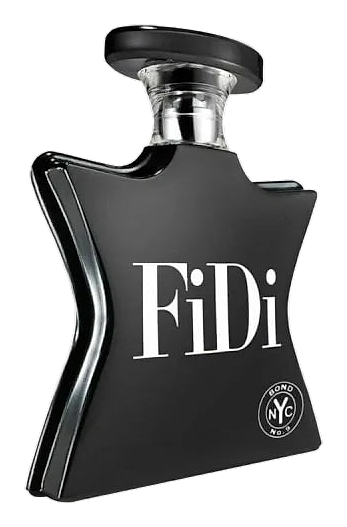

The Story
Why it exists.
The beginning
This neighborhood's contradictions became the brief. The Financial District, founded in 1625, site of Washington's inauguration, Hamilton's final resting place, is where New York was created. A powerful financial hub by day, a secret enclave by night. Laurice Rahmé built Bond No. 9 around neighborhoods, and this one had everything: ambition, reinvention, the tension between old money and new energy. Harry Frémont translated that duality into scent: bergamot and Madagascan pepper to open, lotus and nutmeg to ground, musk, amber, and cedarwood to linger.
The contrast is the point. Bergamot and Madagascan pepper open sharp and immediate, ambition as a first impression. The lotus heart tempers that sharpness into something quieter, more considered. Then the base takes over: cedarwood, vanilla, tonka bean. The warmth that builds close to the skin. It's the scent of a place that sharpens in the morning and softens after hours. Polished on top, warm underneath.
The evolution
The opening hits crisp. Bergamot and black pepper arrive together, no hesitation, just that downtown energy. Mandarin orange sweetens things underneath, keeping it from being too aggressive. Twenty minutes in, the lotus and nutmeg arrive. The professional urgency softens. What was sharp becomes rounder, more settled. By the drydown, cedar and vanilla take over. Amber warmth underneath. The musk keeps it close, present but not loud. This is where Fidi earns its reputation. It doesn't shout. It stays.
Cultural impact
Bond No. 9 built its identity around New York's neighborhoods, and FiDi is one of the house's most versatile, unisex offerings. Scoring 7.8 for scent and 7.7 for sillage, it's the kind of fragrance that announces you without announcement. Strong performance ratings suggest it works across a range of occasions, a reliable choice for someone who wants one scent that covers the bases.