The Story
Why it exists.
The beginning
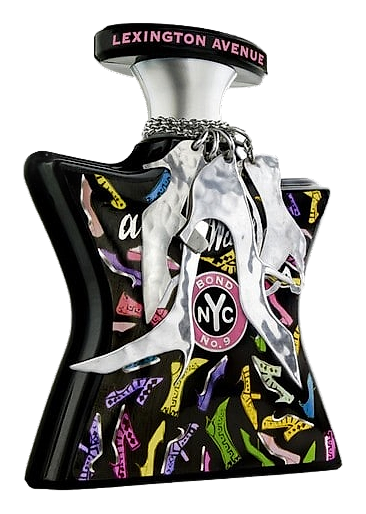
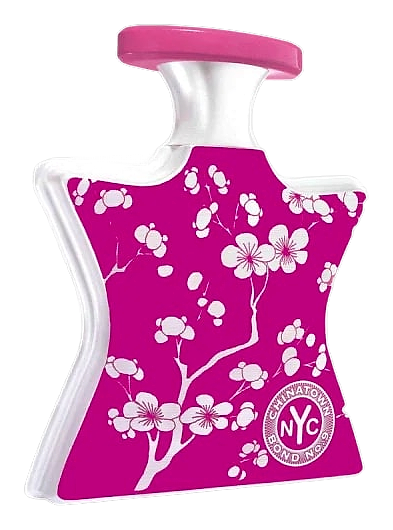
Chinatown arrived in 2005, the same year New York's cultural landscape was shifting beneath everyone's feet. Bond No. 9 had already established its neighborhood-by-neighborhood approach by then, each fragrance a love letter to a specific corner of the city. But Chinatown was different. It looked outward. Aurélien Guichard built this one around the collision of two worlds: the supercity energy of New York and the ancient aromatic traditions of East Asia. The brief wasn't just 'Downtown.' It was 'Downtown meets somewhere else entirely.'
What makes Chinatown structurally unusual is how the white florals don't wait for the drydown to arrive. They dominate from the opening, tuberose and gardenia arriving together in a dense, almost thick formation that most perfumers would stage-gate across phases. Guichard chose instead to let them announce themselves immediately, surrounding the peach blossom and bergamot rather than following them. The spice in the base, cardamom, notably, doesn't function as a typical anchor. It's more like punctuation. A reminder that underneath all that floral abundance, there's a different register entirely.
The evolution
The opening hits like stepping into a dim sum restaurant at noon, all steam and sweetness, peach blossom giving the bergamot something softer to lean against. Within twenty minutes, the florals have fully committed. Gardenia and tuberose arrive in force, doubling the density of the air around you. This is not a quiet transition. The honey in the heart, present in the official copy, noticeable on skin, shows up around the forty-minute mark, making everything richer and slightly edible. The drydown is where things settle. Patchouli and cedar arrive together around the two-hour mark, not replacing the florals but grounding them. Vanilla sneaks in last, around hour three, softening the edges of the spice without diluting the warmth. On fabric, Chinatown lasts into the next day, the cedar especially, holding on like a souvenir.
Cultural impact
Chinatown occupies an interesting position in the floriental canon, it's dense enough to alienate casual wearers and distinctive enough to develop a devoted following. Unlike some Bond No. 9 releases that lean heavily on the neighborhood concept without delivering olfactory substance, Chinatown justifies the concept with its structure: the East-West fusion isn't just a marketing angle. It's written into the note architecture. The fragrance appeared in 2005 alongside several other notable florientals, but its particular balance, generous florals anchored by aromatic woods rather than pure oriental sweetness, sets it apart from the period's more conventional offerings.