The Story
Why it exists.
The beginning
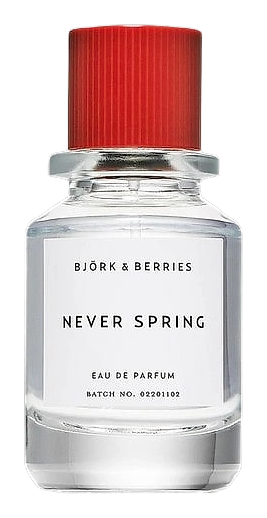
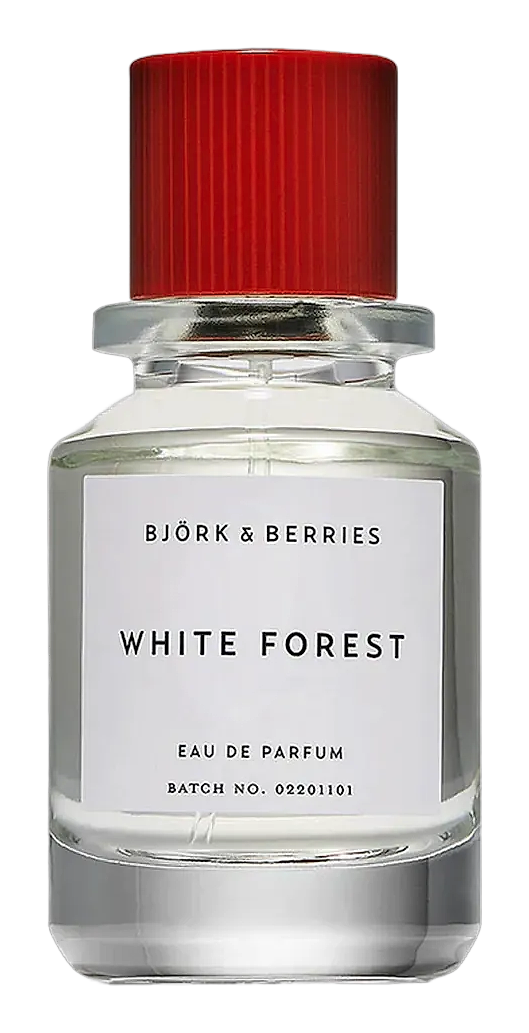
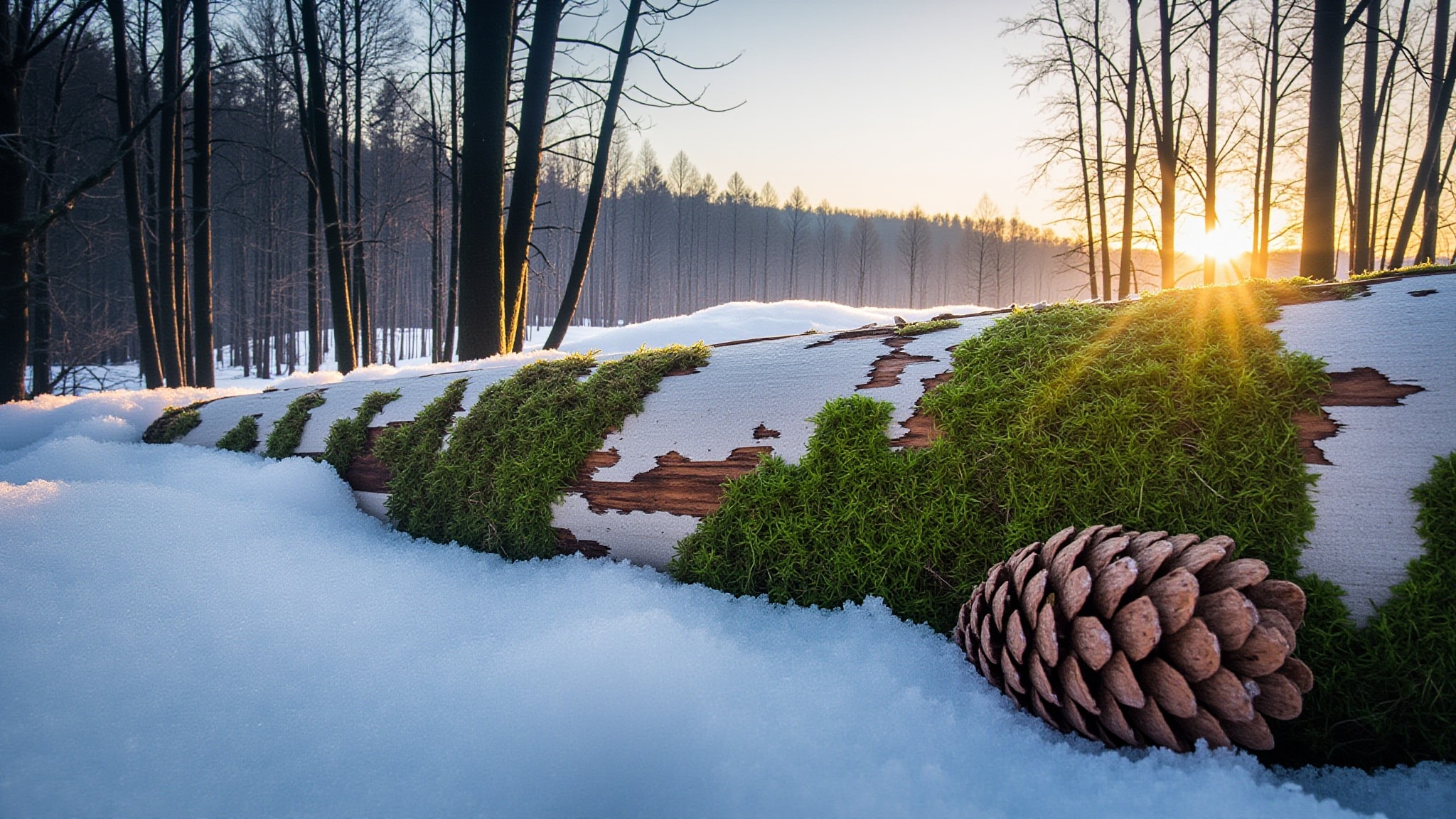
Björk and Berries means birch and berries, literally. 'Björk' is Swedish for birch, one of the most recognizable trees in the Scandinavian landscape. The brand builds its entire identity around the botanical particularity of northern Sweden, translating the sensory language of those forests into fragrance. White Forest is exactly what the name promises: an olfactory portrait of a Swedish winter forest, heavy with snow, dominated by white birch and green pine. Perfumer Jérôme Epinette worked with that dual nature, the crisp, cold clarity of northern forests and the warmth that accumulates where skin meets scent. The goal was translation, not invention: take what exists in those landscapes and make it wearable. The citrus opening clears the air like frost. The heart holds the forest's quiet interior. The base stays close, the way a forest stays with you after you leave it.
What makes White Forest interesting isn't any single ingredient, it's the way the composition moves from brightness to depth without a dramatic middle act. The opening is all citrus: lemon, bergamot, blackcurrant. Tart and fruity, almost sharp enough to sting. Within minutes, the citrus recedes and the forest takes over: pine and birch as the structural backbone, vetiver adding earth underneath. The heart notes, violet and lily of the valley, arrive quietly, more texture than statement. They don't compete with the woods. They soften the transition. The real character emerges in the base: tonka bean's warm, sweet undertone threading through cedarwood and birch bark.
The evolution
The opening hits fast and bright. Bergamot leads, sharper than expected, blackcurrant adds a tart, almost jammy depth beneath the citrus. Lemon cuts through the top notes like light through clouds. Some wearers find this phase overwhelming. It lasts about twenty to thirty minutes before the citrus begins to recede. Then the forest arrives. Pine becomes the dominant note, that sharp, clean, slightly resinous conifer smell. Birch follows, drier and more papery. This middle phase is the heart of the fragrance. It smells like cold air and evergreen needles, like the moment you step fully into a forest and the sky narrows above you. Violet and lily of the valley surface gently here, adding a quiet floral note that prevents the green from becoming harsh. It lasts a few hours. Eventually, the woods soften. Tonka bean's sweetness emerges, blending with cedarwood and vetiver to create a warm, intimate drydown that stays close to the skin. By the final hours, it smells like skin that happens to remember a forest.
Cultural impact
White Forest has found its audience among wearers who want something genuinely rooted in a place rather than a concept. The Scandinavian forest aesthetic appears in dozens of fragrances, but White Forest commits to it differently, less lifestyle imagery, more material specificity. Wearers describe it as a daily fragrance that actually transports them, a scent that performs reliably enough for professional environments while maintaining enough character to be interesting. The comparison to Glossier You in the drydown has appeared enough times to suggest a genuine kinship: both fragrances share that clean, slightly warm, skin-like quality in their final hours.