The Story
Why it exists.
The beginning
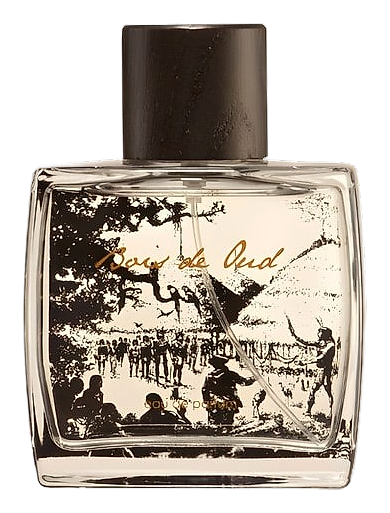
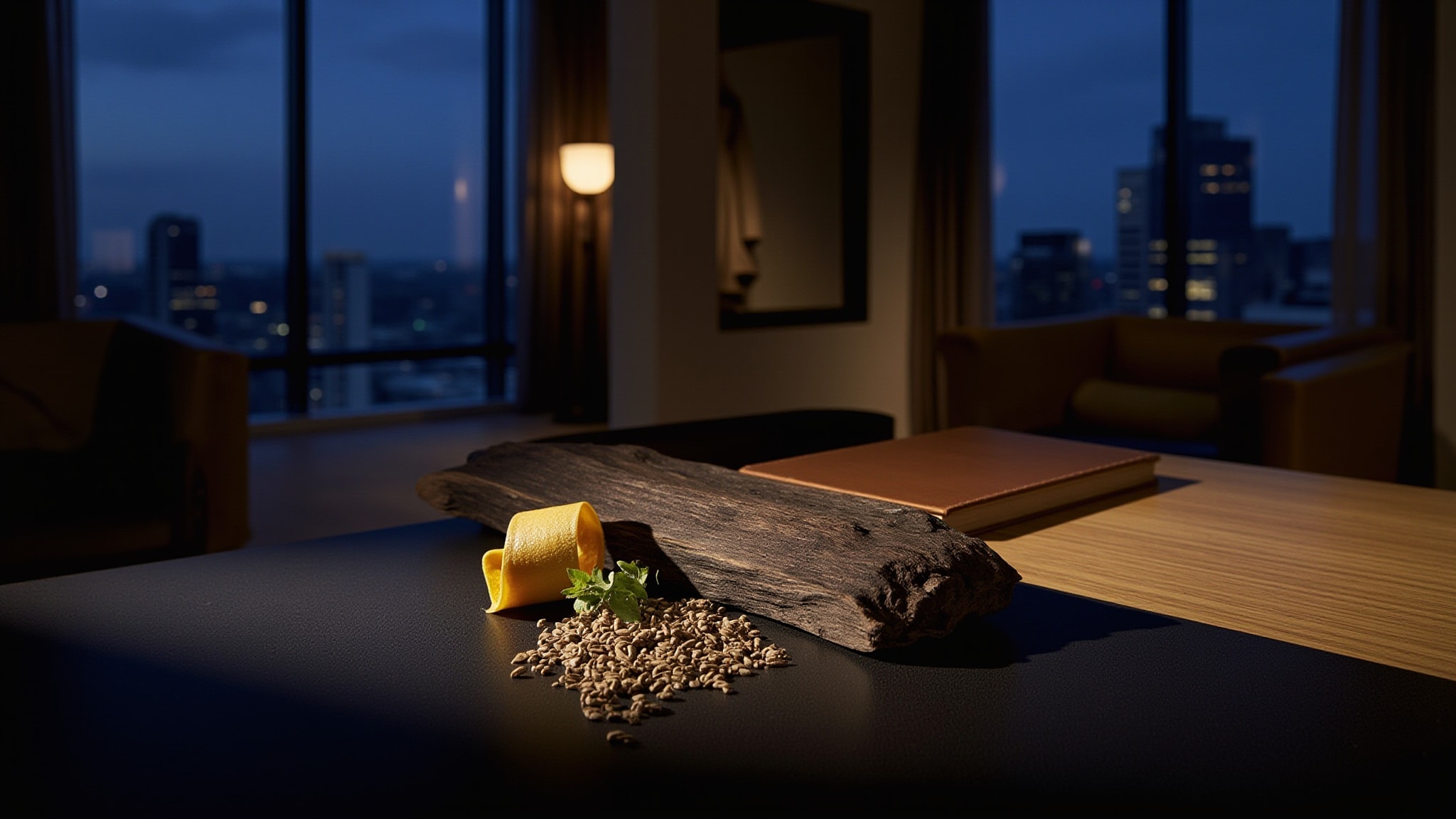
Bois de Oud comes from Biosea and carries a name that points straight toward its material: wood and oud. Francois Rossini-Paquet and Patrick Paquet are credited as the fragrance's perfumers. The composition is built around a woody heart with an aromatic edge, placing oud against cedar, guaiac wood, Haitian vetiver and patchouli. Bergamot brings light into the opening, while coriander introduces a clean, herbal snap. Together, the notes create a study in depth rather than a single-note showcase. The oud feels dark and polished at first, then gradually gains warmth from the surrounding woods, vetiver and patchouli. Citrus and green notes keep the composition from settling into complete heaviness, giving it brightness, structure and an aromatic lift.
The interesting part is the tension between polished and elemental. Oud and patchouli bring density, vetiver adds a dry earthiness, and cedar and guaiac wood sharpen the woody frame. Bergamot and coriander keep that frame from feeling sealed shut, creating a bright entry for a fragrance that soon moves into shadow. It's a familiar oud vocabulary, but the aromatic freshness gives it a more animated edge.
The evolution
The opening arrives with the clean snap of bergamot and coriander, bright enough to make the oud seem almost cool. A lightly aromatic quality surrounds those sharper notes, creating a crisp first impression before the composition begins to draw inward. As bergamot and coriander recede, cedar, guaiac wood and vetiver take prominence, adding dry structure and a measured herbal edge. Patchouli contributes a darker, earthy grain, while oud remains the central line, moving from polished wood toward a warmer, more resonant depth. The drydown settles into a woody amber-like impression, with the woods continuing to register more clearly than the citrus. As the fragrance wears, the initial brightness softens and the layered woody notes become more cohesive, leaving a close, dry trail that emphasizes wood, earth and subtle spice rather than sweetness.
Cultural impact
Bois de Oud fits Biosea's approach to fragrance as atmosphere, using a name that suggests material and depth. Its character comes from the interaction of oud with cedar, guaiac wood, Haitian vetiver and patchouli, balanced by the brighter presence of bergamot and coriander. Rather than leaning heavily toward sweetness or dense resin, it presents oud as part of a broader woody composition, opening crisply before settling into a dry, warm and subtly aromatic impression.
The House
BioseaBiosea is a French niche fragrance house founded in 2013, known for composing scented atmospheres through distinctive names such as Bois de Oud, Cosmopolis, Madame Coquelicot and Astrolab. Its portfolio moves between oud, floral, amber and aromatic interpretations, with Eau de Biosea acting as a recognizable house signature. Biosea was created in France with an independent point of view, presenting fragrance as an expression of mood, place and imagination. For discovery-oriented collectors, the house offers a varied selection that can be explored through its layered releases and unconventional naming.
The Creator
Patrick Paquet & Francois Rossini-PaquetPaquet’s signature is a creamy floral language, sharpened by disciplined blending and an eye for poised contrasts. He understands how rose, vanilla, and related sweet notes can move beyond heaviness when proportioned carefully.