The Story
Why it exists.
The beginning
Madame Coquelicot was created by Patrick Paquet and Francois Rossini-Paquet, the perfumers associated with its distinctive warm-spicy composition. Its name is Coquelicot, and the documented scent points somewhere less expected: pepper, anise, musk, ginger, and powdery notes. There is no verified launch year or campaign story to expand on that idea. So the fragrance is best understood through its construction, a tension between an evocative name and a scent built around spice, powder, and musk. The result feels poised rather than sweet, with fresh and warm spicy accords meeting sweet, powdery, and musky ones in a composition that rewards a closer look.
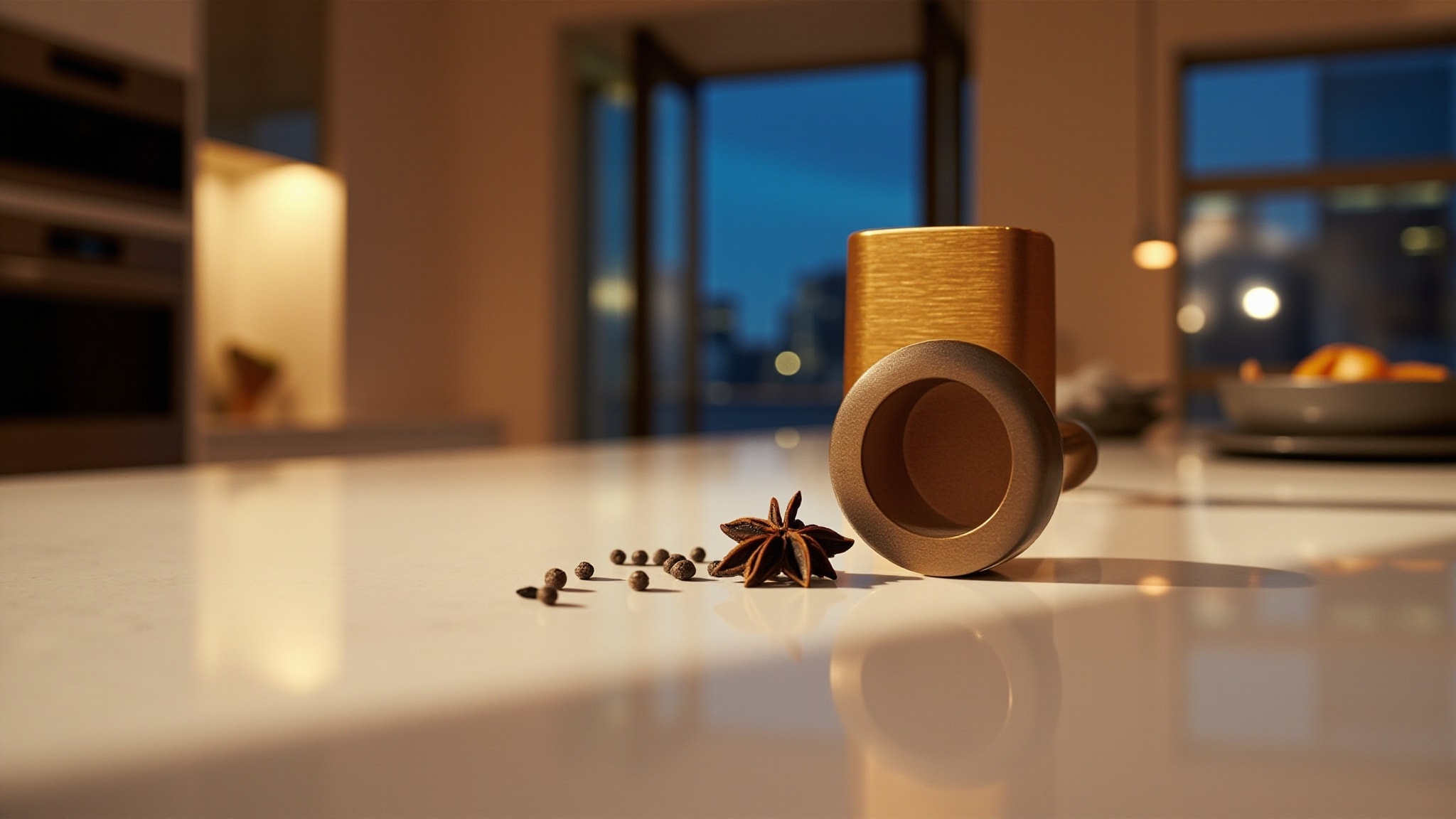
What makes Madame Coquelicot worth exploring is the friction between materials that usually keep their distance. Black pepper adds a crisp, peppery snap, while anise brings a distinctly aromatic character that sits apart from the sharper facets of the composition. Ginger adds its own warmth without turning the whole thing heavy. Musk and powdery notes temper that edge, giving the scent a polished, slightly blurred quality.
The evolution
The first impression is articulate, with pepper giving the scent an immediate edge and ginger contributing its own warm register. Anise adds an aromatic dimension that changes the overall impression without displacing the pepper. The composition is built around fresh, warm, spicy, sweet, powdery, and musky accords, and its appeal lies in the way these materials coexist rather than in a strict progression from one stage to the next. Musk and powder provide a soft counterweight to the sharper spice notes, while the sweetness on record keeps the result from reading as purely heat. What you notice is a fragrance that holds several distinct impressions at once, and that layered quality is what invites repeated attention.
Cultural impact
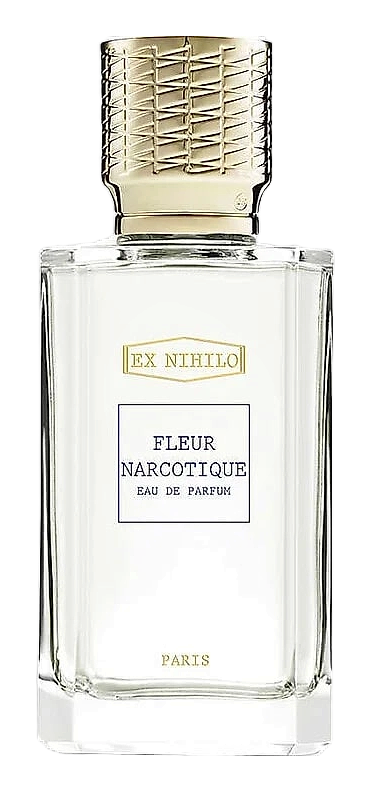
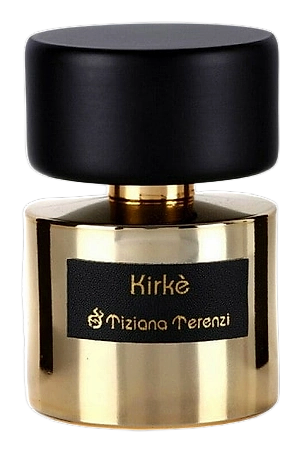
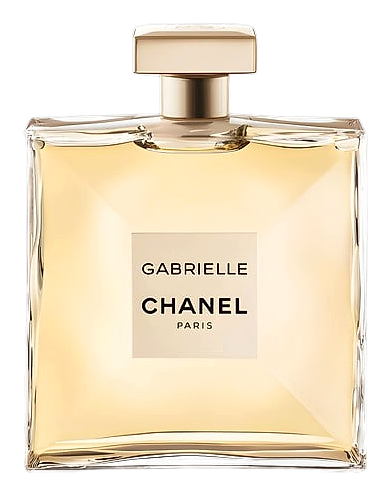
Madame Coquelicot carries the name Coquelicot and is categorized as an Oriental fragrance, with a documented accord list built around pepper, anise, musk, ginger, and powder. Seasonal voting results place it among winter and fall fragrances. The fragrance also appears in listings of perfumes that people who like Madame Coquelicot also like, including Cacharel Noa, Tiziana Terenzi Kirkè, Nihilo Fleur Narcotique, and Chanel Gabrielle, which gives interested readers a practical place to begin exploring similar territory.
The House
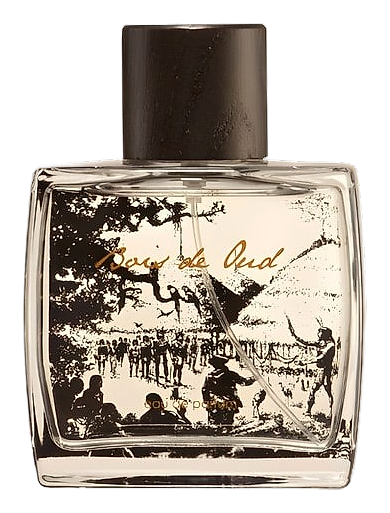
BioseaBiosea is a French niche fragrance house founded in 2013, known for composing scented atmospheres through distinctive names such as Bois de Oud, Cosmopolis, Madame Coquelicot and Astrolab. Its portfolio moves between oud, floral, amber and aromatic interpretations, with Eau de Biosea acting as a recognizable house signature. Biosea was created in France with an independent point of view, presenting fragrance as an expression of mood, place and imagination. For discovery-oriented collectors, the house offers a varied selection that can be explored through its layered releases and unconventional naming.
The Creator
Patrick Paquet & Francois Rossini-PaquetPaquet’s signature is a creamy floral language, sharpened by disciplined blending and an eye for poised contrasts. He understands how rose, vanilla, and related sweet notes can move beyond heaviness when proportioned carefully.