Patrick Paquet
Patrick Paquet is a French perfumer and the founder and general director of Corsica Essences, where he leads the company’s creative direction. His work is rooted in the refined art of composing floral scents with a creamy softness, a quality visible in the reception of Parfait. Across more than three decades in perfumery, he has developed a reputation for blending perfume with polish and restraint. Paquet’s career combines technical craft with an instinct for elegance, placing texture and balance ahead of outright novelty. His work for Biosea, including Parfait, extends a fragrance portfolio shaped by nuanced florals and carefully judged accords. He is also associated with Corsica Essences, an enterprise built around perfumery and the aromatic character of the Mediterranean island.
The hits
Notable creations
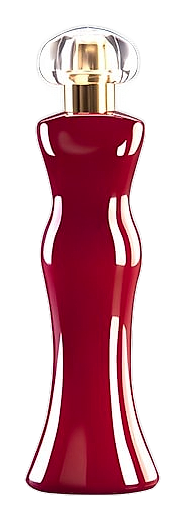
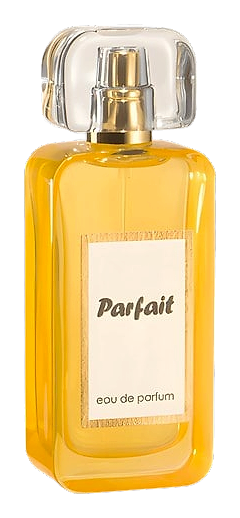
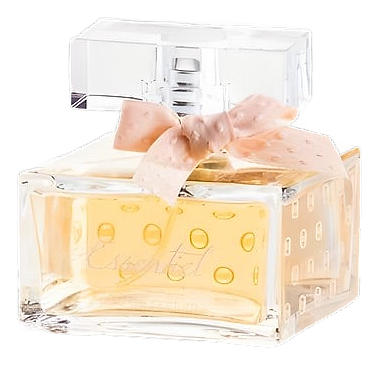
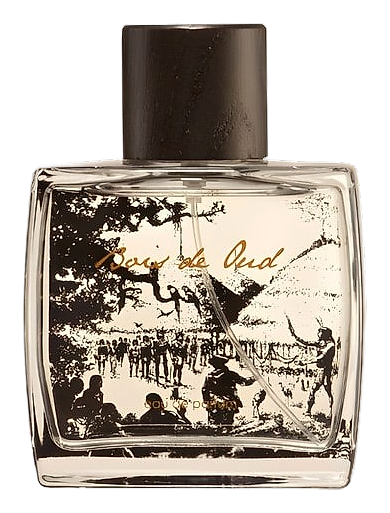
The signature
How Patrick composes
Paquet’s signature is a creamy floral language, sharpened by disciplined blending and an eye for poised contrasts. He understands how rose, vanilla, and related sweet notes can move beyond heaviness when proportioned carefully. His compositions favor a polished finish, with smooth transitions between floral, powdery, and softly sensual elements. The appeal of Parfait reflects this taste: a fragrance built around the satisfying depth of a floral rather than a single dominant sensation. His broader association with Corsica Essences adds a Mediterranean sensibility to his perfumery, while his work for Biosea demonstrates his ability to distill refined, expressive scents for a contemporary audience.
Philosophy
What drives Patrick
Paquet approaches perfumery as a study in texture, contrast, and controlled emotion. His floral compositions favor softness without surrendering structure, building scents that feel polished, expressive, and intimate. The reference to a “perfect rose” suggests his enduring interest in the flower as both an aromatic material and a compositional anchor. Rather than announcing each note with force, he places ingredients in dialogue, allowing creamier facets to settle around brighter floral passages. This measured approach gives his work a sophisticated ease, whether the composition reads as romantic, sensual, or quietly distinctive.
The houses
Maisons Patrick composes for
In the same league