The Story
Why it exists.
The beginning
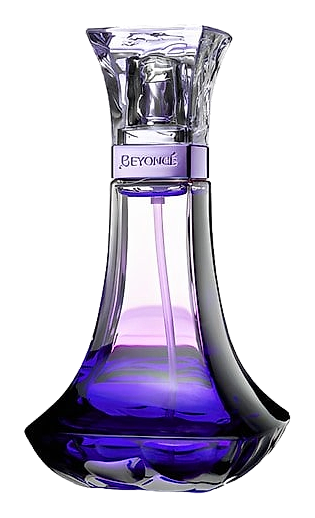
Midnight Heat landed in 2012, the third pillar in Beyoncé's fragrance empire. Where the original Heat established the template, warm, personal, unapologetically sensual, Midnight Heat pushed further into the night. Perfumer Olivier Gillotin built the composition around tropical fruit and dark florals, creating something that felt like the hour between the club and home: electric, still charged, refusing to let go. The name said everything, this was heat that didn't end when the lights came on.
The use of dragon fruit and starfruit in the top notes is unusual, both are more common in food than in fine fragrance, where they risk reading as synthetic or novelty. But in Gillotin's hands, they become something else: a juicy, almost acidic sweetness that cuts through the florals rather than cloying beneath them. The heart compounds that tension. Black tulip is not a standard perfumery material, it's darker, more gothic than the garden tulip. Combined with orchid and peony, it creates a floral heart that reads as evening rather than daytime, intimate rather than bright.
The evolution
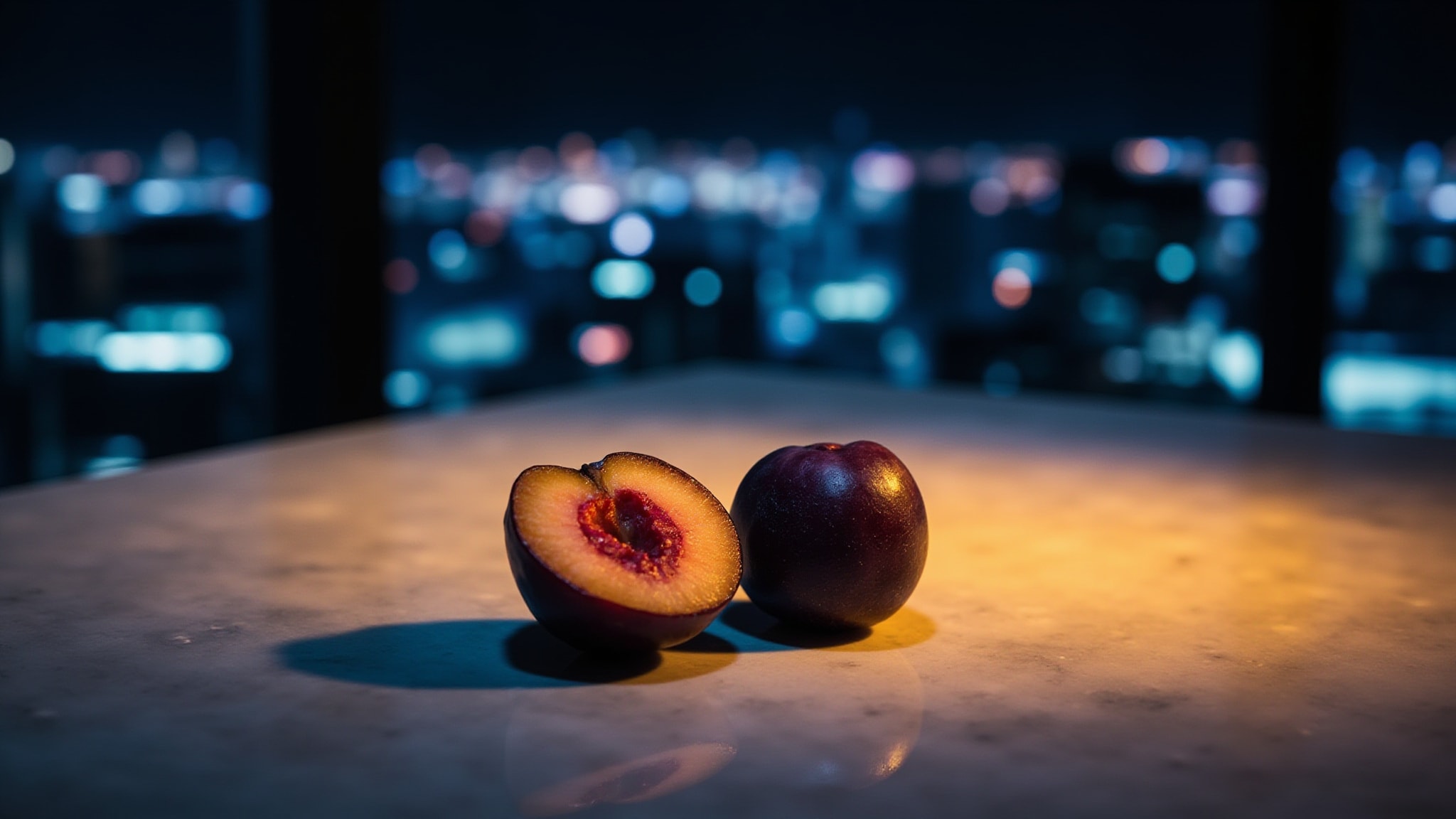
The opening hits plum hard and fast, ripe, almost bruised sweetness. Within minutes the tropical notes arrive: starfruit's tart edge, dragon fruit's subtle creaminess. The handoff to the heart takes about twenty minutes. The florals don't replace the fruit, they layer over it, creating a fullness that's almost literal. Black tulip adds a shadow; peony softens what could be harsh. By the second hour, the base arrives. Patchouli leads, but sandalwood and amber follow close, the drydown is warm, slightly sweet, intimate. Moderate sillage means it stays close to the skin but lingers. The next morning, there's still something there: patchouli's low hum, amber's warmth, a memory of tropical flowers that refuses to fully fade.
Cultural impact
Midnight Heat occupies a specific space in the Beyoncé fragrance lineup, more nocturnal than its predecessors, darker in its florals, more confident in its patchouli presence. The fragrance attracted wearers who wanted something with more edge than the original Heat, while remaining accessible enough for everyday wear. Community reception has been divided: those drawn to its tropical sweetness and warm drydown tend to be loyal, while others find the patchouli too prominent or the synthetic facets too noticeable. It's not a fragrance that tries to please everyone, and that was almost certainly the point.