Black Tulip
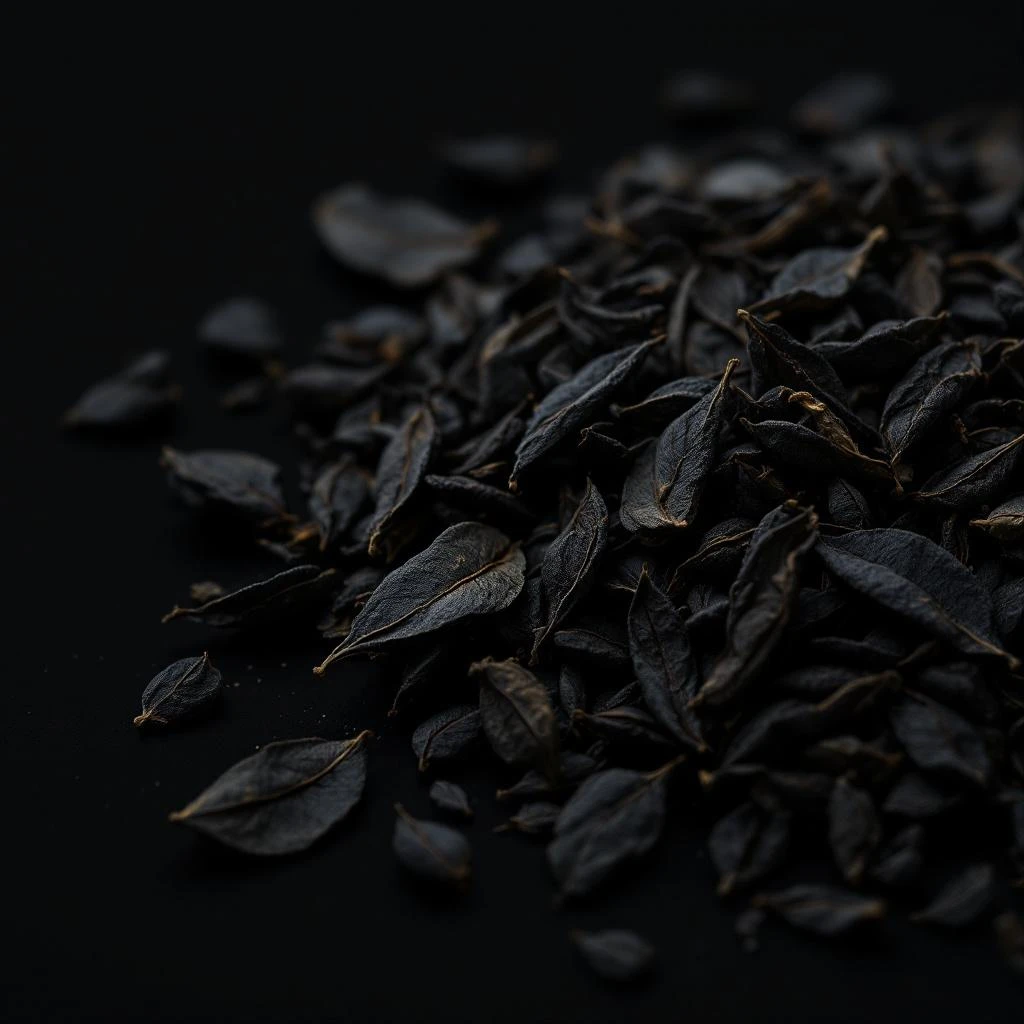
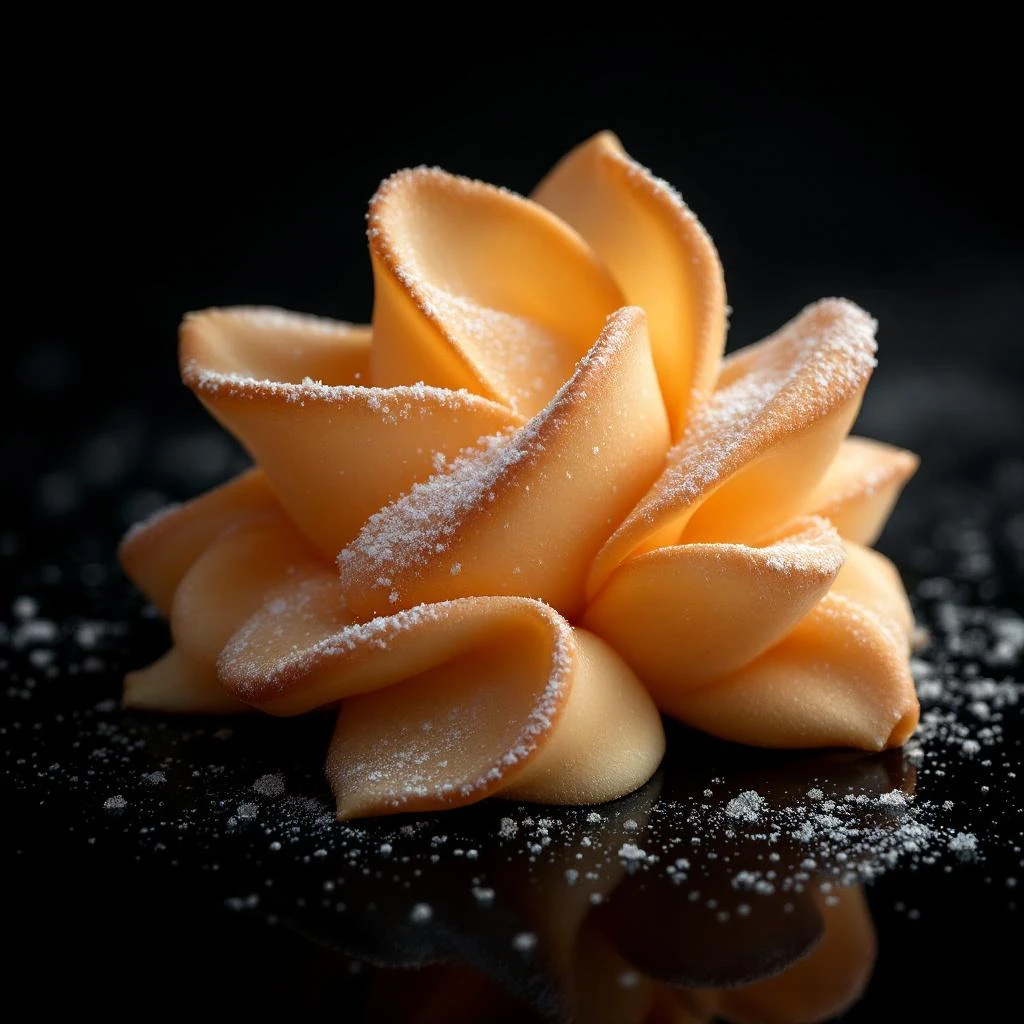
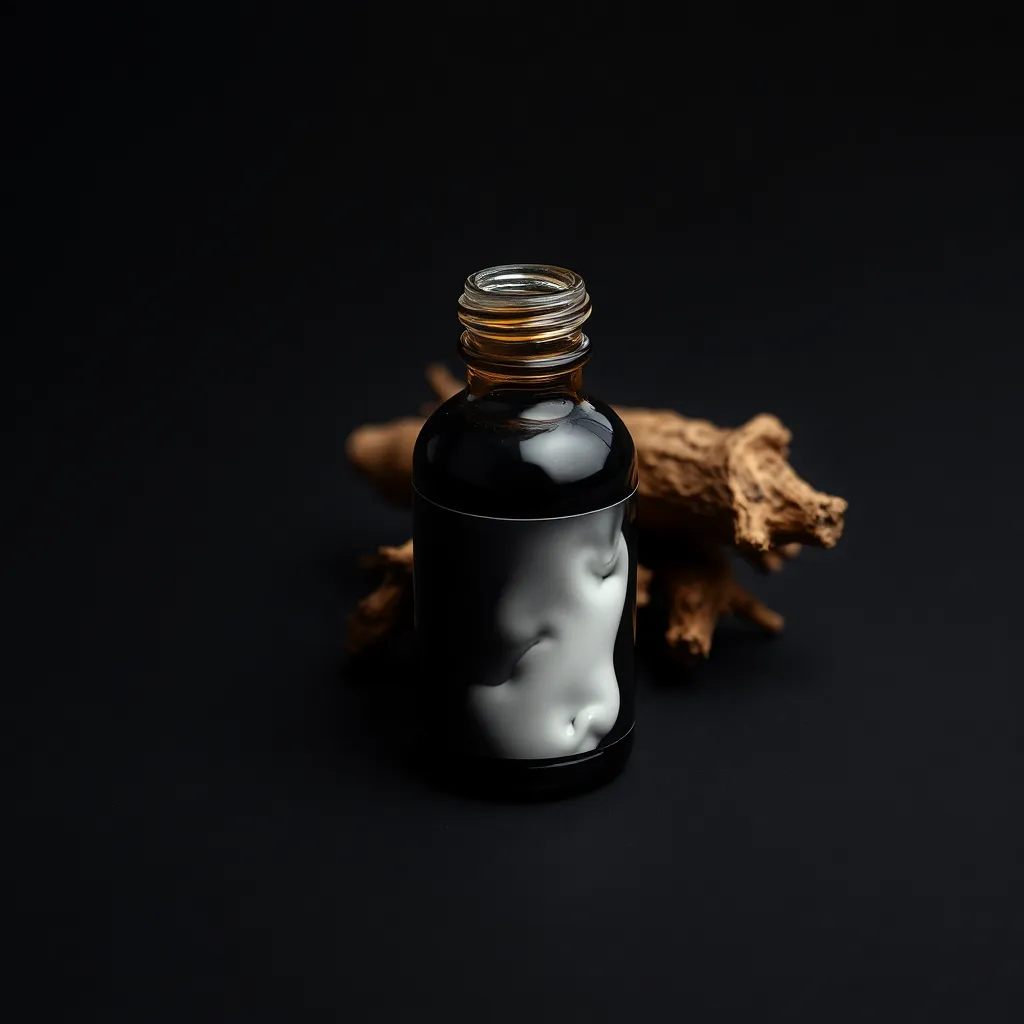
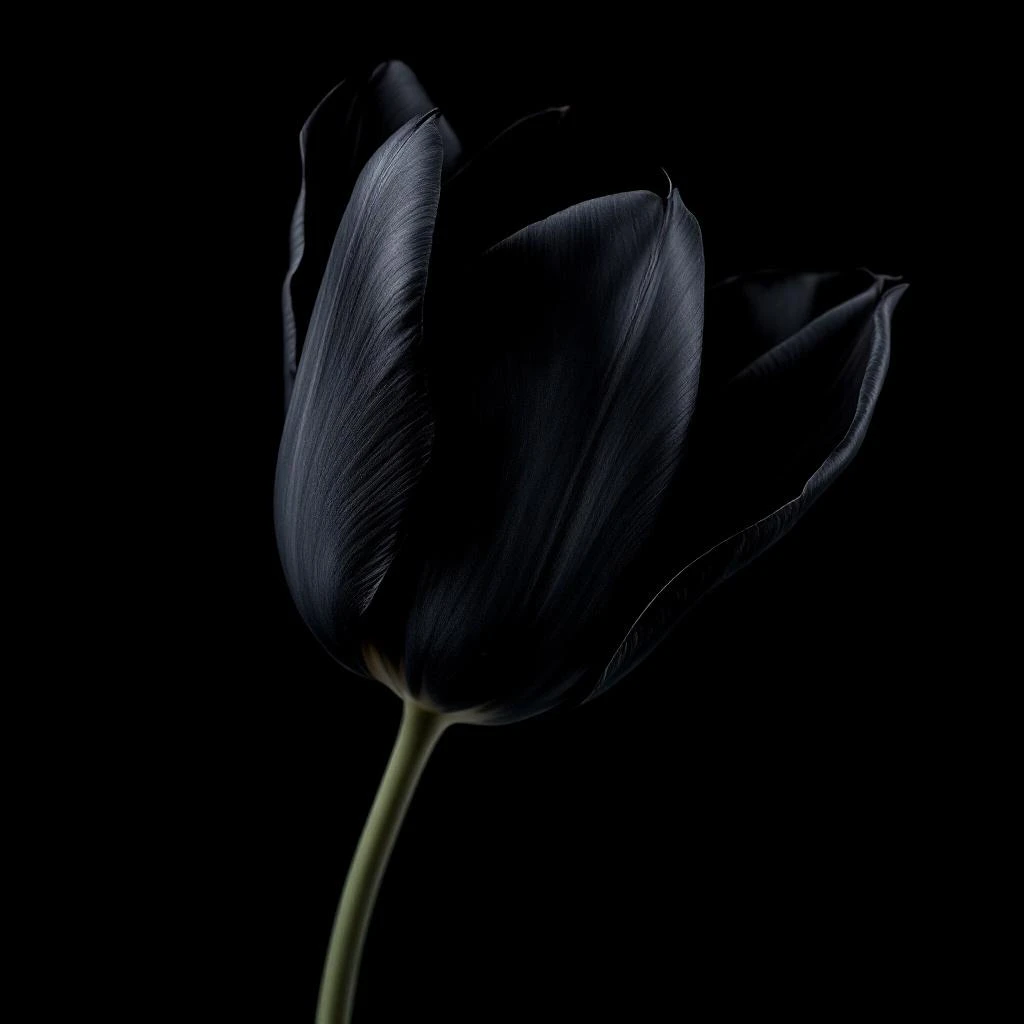
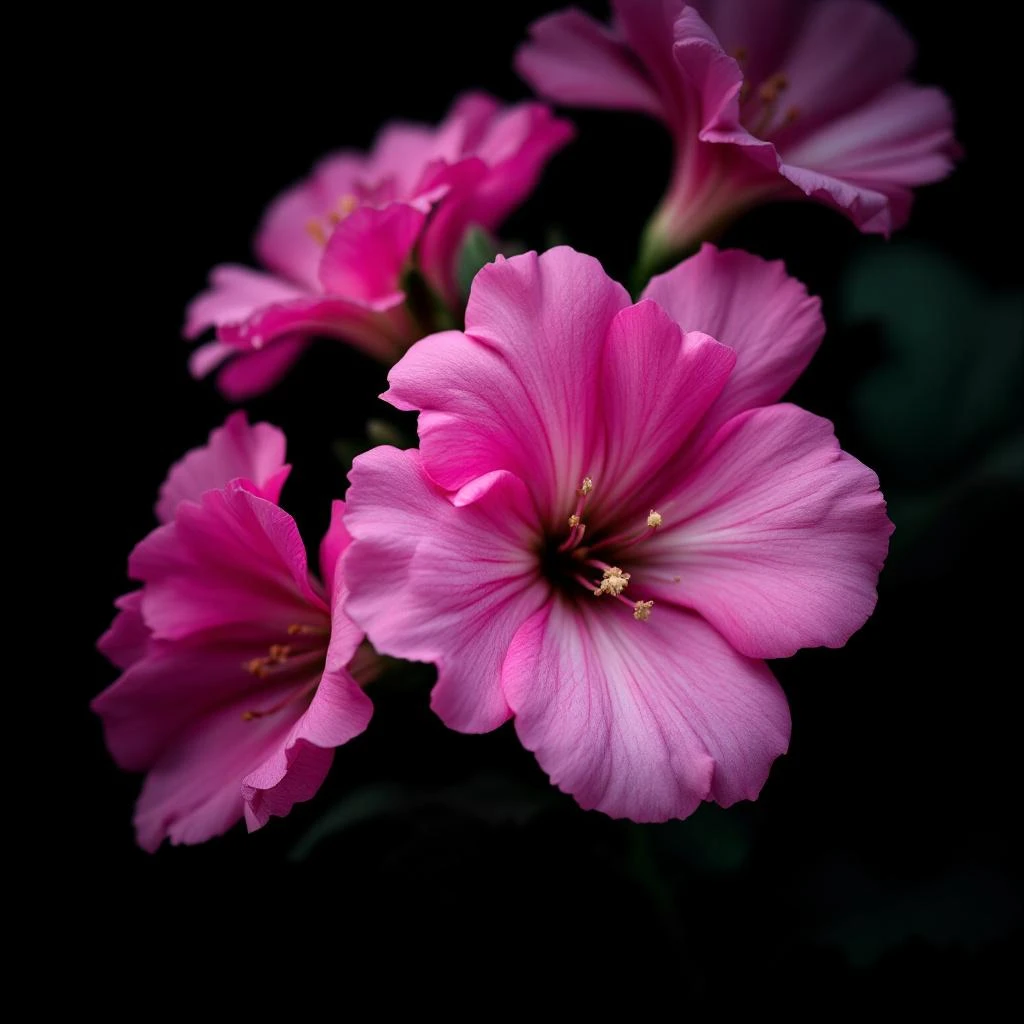
Black Tulip captures the deep, velvety aroma of midnight‑blooming tulips, blending creamy white florals with a whisper of dark chocolate and a hint of coconut. The note adds a dramatic, yet refined, edge to contemporary compositions, inviting the wearer to explore contrast within a single scent.
Character
How it smells
Dark elegance meets creamy florals.
Despite its name, Black Tulip is not derived from any real tulip species; it was first synthesized in 2015 by a French lab to emulate the rare scent of a black‑flowered tulip that never occurs in nature.







Origin
France
Tulips have long symbolized luxury, but their natural fragrance is faint and short‑lived, limiting their use in early perfumery. In the 19th century, perfumers relied on rose, jasmine, and citrus to convey floral richness, while tulip extracts remained a curiosity.
The desire for a deeper, more enduring tulip scent grew alongside advances in organic chemistry. In 2015, a French research team synthesized Black Tulip to fill this gap, offering a stable, richly layered alternative to the fleeting natural extract.
The note quickly entered niche collections, where creators prized its ability to convey both darkness and softness. Over the next decade, Black Tulip became a reference point for modern floral‑gourmand hybrids, illustrating how synthetic innovation can revive historic botanical aspirations.
Wears it best
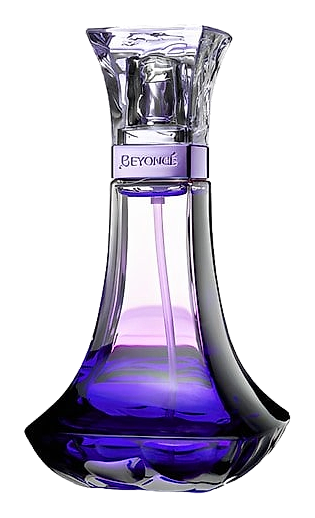
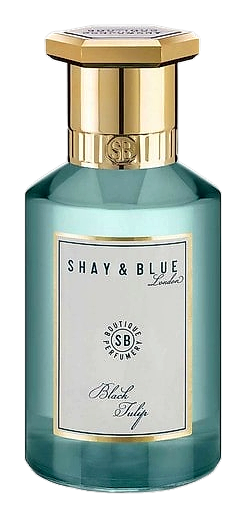
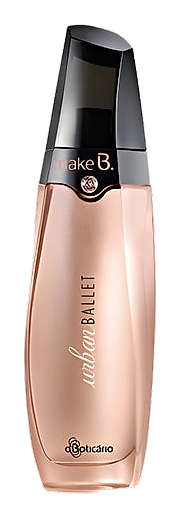
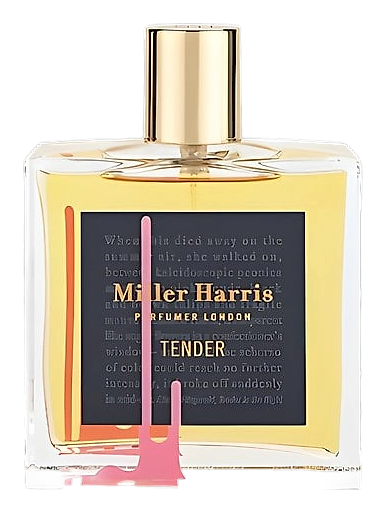
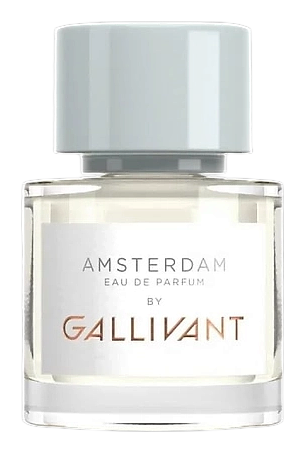
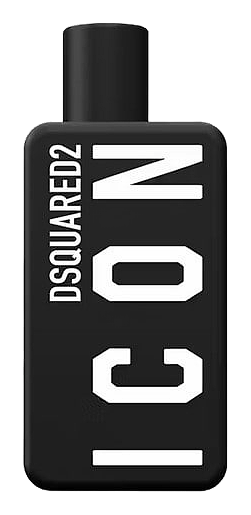
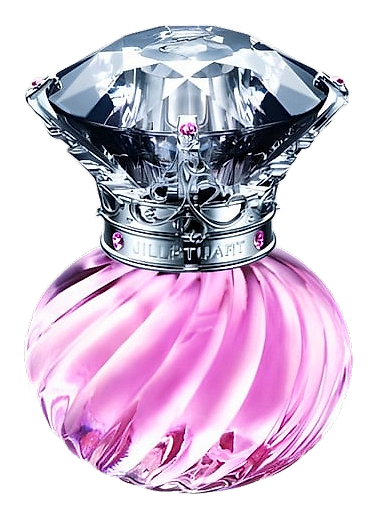
Fragrances featuring Black Tulip


Brands
Brands known for Black Tulip
Good to know
Questions, answered
The essentials on Black Tulip in perfumery: how it smells, where it comes from, and how it behaves on skin.
What is the Black Tulip fragrance note?
Black Tulip is a synthetic aroma that mimics the scent of a dark‑colored tulip, combining creamy white floral tones with subtle gourmand hints. It debuted in 2015 as part of Shay & Blue's Black Tulip perfume.
How is Black Tulip produced?
It is created through controlled chemical synthesis, where aromatic building blocks undergo esterification and oxidation to form the final molecule. The first batch was completed in a Paris lab in March 2015.
Is Black Tulip safe for skin?
Yes, the ingredient complies with IFRA safety standards and carries a low sensitization rating. Laboratory testing in 2016 recorded a skin irritation index of 0.2, well below the threshold for commercial use.
Which perfume houses feature Black Tulip?
Shay & Blue introduced the note in its eponymous Black Tulip perfume, and several niche brands have since incorporated it into limited editions. By 2022, at least five independent houses listed Black Tulip on their ingredient sheets.
How does Black Tulip differ from natural tulip extracts?
Natural tulip essential oil yields a light, watery scent that fades quickly, while Black Tulip delivers a dense, creamy bouquet that lasts for hours on skin. The synthetic version contains a higher concentration of lactone and vanillin‑derived fragments, giving it a richer texture than the 0.02 % yield typical of fresh tulip distillates.
What scent profile does Black Tulip provide?
Black Tulip opens with a soft white‑flower accord, quickly revealing a creamy cocoa undertone and a faint coconut nuance. The dry‑down settles into a warm, slightly powdery base that lingers for up to eight hours in moderate climates.
Can Black Tulip be blended with citrus notes?
Yes, perfumers often pair Black Tulip with bergamot or mandarin to brighten its creamy core and add contrast. A 2020 formulation from a French atelier demonstrated a stable blend at a 3 % Black Tulip to 5 % citrus ratio, maintaining the note’s integrity for 12 months in storage.
How stable is Black Tulip in hot climates?
The synthetic molecule resists oxidation and retains its aroma up to 40 °C for 48 hours without noticeable degradation. Field tests in Marrakech during July 2021 recorded a 7 % loss in intensity after 72 hours, confirming its suitability for warm environments when used below 5 % concentration.