The Story
Why it exists.
The beginning
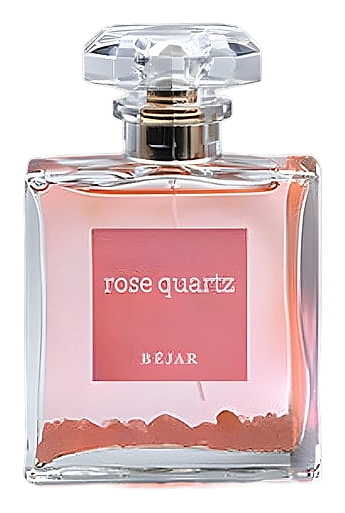
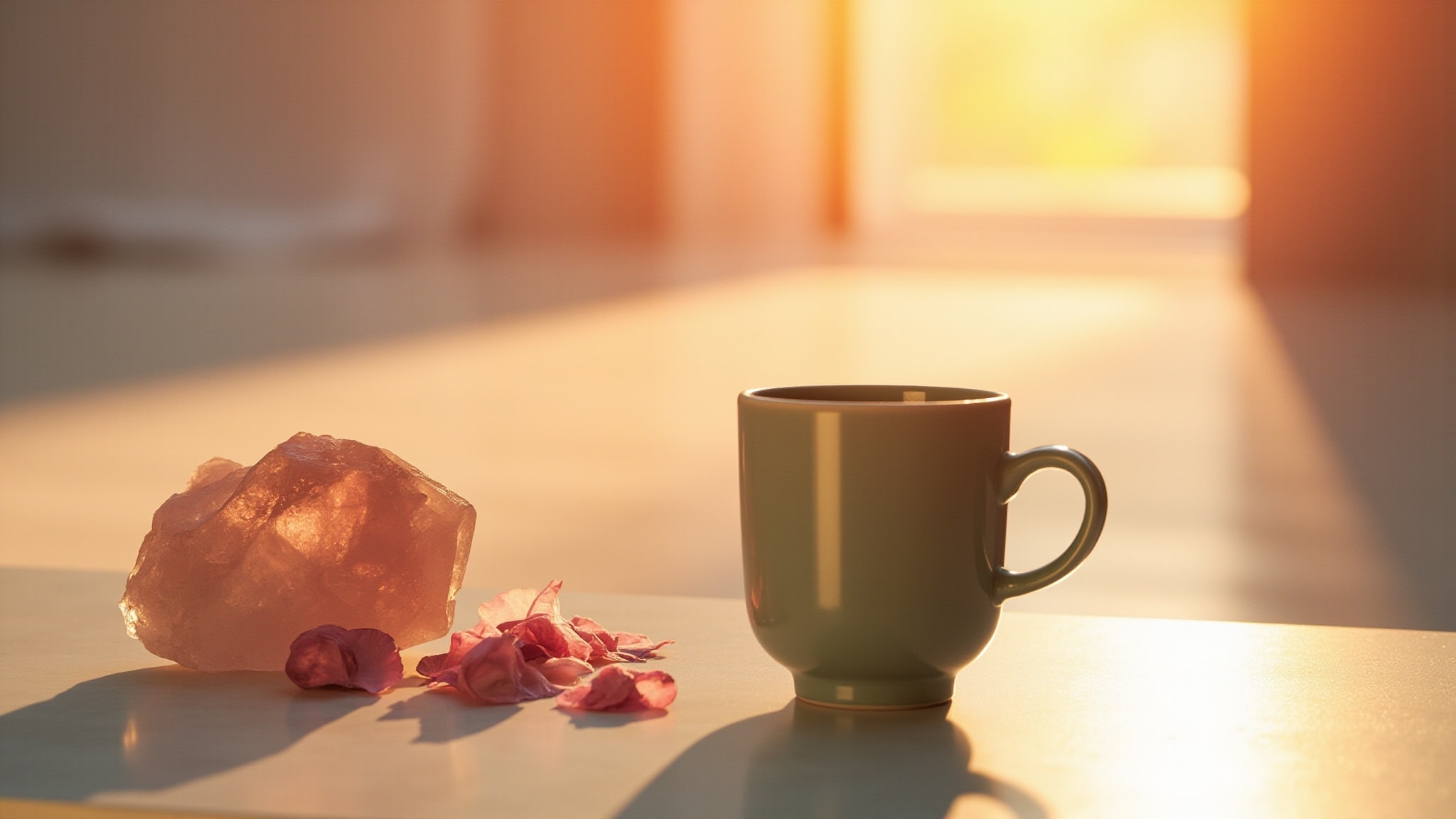
Rose Quartz takes its name from the pink crystal, a gemstone central to crystal healing traditions and holistic wellness practices. The choice of name suggests something gentler than typical perfumery, a fragrance that might work quietly on the wearer while still making its presence known in a room. The soft pink hue of the crystal hints at the delicate, comforting character of the scent within.
The note structure reflects Béjar's creative philosophy. Green tea and osmanthus bring a delicate, contemplative quality, slightly bitter in the case of tea. Bergamot, geranium, and tangerine anchor the citrus components. The osmanthus serves as bridge material here: a small clustered flower from China and Japan that smells like apricot jam crossed with jasmine. It's an element that keeps the rose from being predictable. Rose Quartz isn't a safe rose. The green tea keeps it mineral.
The evolution
The opening presents green tea and citrus arriving together. Bergamot and tangerine give way to violet leaf and a flash of peony that reads more pink than sweet. Thirty minutes in, the heart asserts itself. Rose petals and orange blossom form the dominant character, with osmanthus adding that apricot nuance that deepens the sweetness without cloying. The fruity notes in the heart provide lift, but there's a mineral undertone from the green tea that prevents the whole composition from going fully romantic. This is a rose with a work ethic. The base arrives later in the wear. Musk provides warmth without heaviness. Sandalwood keeps it creamy. Patchouli grounds everything with an earthy, slightly dusty finish that prevents the fragrance from floating away entirely. The drydown lingers, with sandalwood and musk remaining prominent on fabric the next morning.
Cultural impact
Rose Quartz occupies a particular space within the mineral-floral category: fresh enough for daily wear, but unusual enough to avoid blending into the background. Its green tea and osmanthus combination gives it a character that stands apart from typical floral fragrances. The composition draws on materials that are less commonly used together, creating something that feels both accessible and distinct.