
The Story
Why it exists.
The beginning
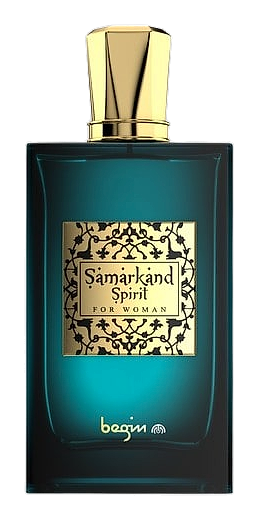
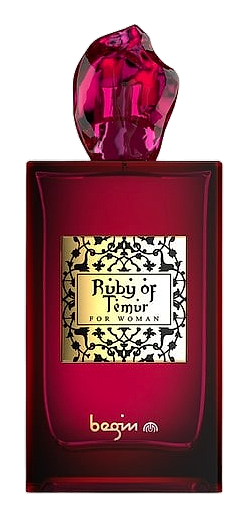
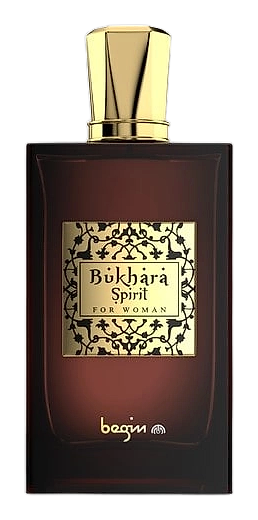
Begim Perfumes, founded in Uzbekistan in 2014, draws on Silk Road heritage and French craftsmanship to craft narrative-driven scents rooted in place and memory. The house set out to bottle the spirit of Bukhara, the historic Uzbek city famed for its bustling bazaars and silk-road caravans. In 2016, working with DSM-Firmenich, Begim created a fragrance that opens on bright exotic fruits, echoing the market's fresh produce, before settling into a floral heart built around jasmine and ylang-ylang.
Begim's note philosophy centers on contrast: the vibrancy of fresh market produce against the depth of ancient craftsmanship. Exotic fruits and a lush floral heart create a signature that is unmistakably feminine and warm, while the amber, sandalwood, and vanilla in the base ground the composition with a skin-close comfort that makes it wearable across seasons. The ylang-ylang and jasmine pairing is deliberate, their creamy, slightly tropical quality echoing the lushness of the Silk Road's most fragrant corridors.
The evolution
The scent unfolds in three deliberate movements. First, exotic fruits arrive at the top with immediacy, tropical and sweet, evoking the colors and scents of a bazaar stall laden with mango and passion fruit. Within minutes, the heart takes over: jasmine and ylang-ylang expand outward, creamy and lush, filling the space the fruits leave behind. The drydown then settles quietly, amber and sandalwood providing warmth, while musk, vanilla, and woody notes deepen the composition into something Intimate and lasting.
Cultural impact
Bukhara Spirit For Woman reflects a modern reinterpretation of Uzbekistan’s historic Silk Road, weaving tog ether the region’s love for vibrant fruit aromas with Western perfumery techniques. The exotic fruit top notes echo the bustling bazaars of Bukhara, while the heart of jasmine and ylang‑ylang pays homage to traditional floral gardens. Its amber‑sandalwood base grounds the composition, symbolizing the timeless desert sands that have guided traders for centuries. Launched in 2016, the scent has become a cultural bridge, inviting wearers to experience a fragrant dialogue between East and West, and inspiring a renewed interest in Central Asian heritage within contemporary fragrance circles.