The Story
Why it exists.
The beginning
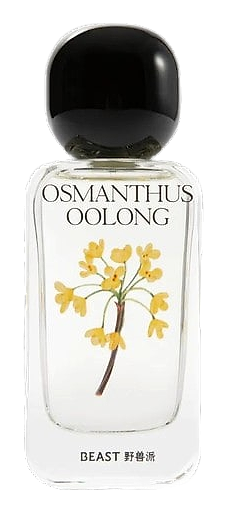
The name says everything and nothing. Osmanthus Oolong is named for two ingredients that share a home in Chinese gardens and tea culture but rarely meet in perfumery, osmanthus flowers and oolong leaves. Beast tasked perfumer Alexandre Freile with translating this pairing into something wearable, something that could carry the memory of an afternoon in a Shanghai teahouse where the air smelled of both. The challenge wasn't the ingredients themselves but making them coexist without one swallowing the other. Tea can read flat or bitter. Osmanthus can read syrupy and one-dimensional. Freile had to find the middle ground, the version that smells like the moment between sips, when the steam has lifted and only the flowers remain.
What makes this composition interesting is how the leather behaves. In most fragrances, leather announces itself, smoky, tarry, immediate. Here it's almost subterranean, arriving late and doing quiet work in the base. The apricot helps. Apricot has a fuzzy warmth that bridges fruit and florals, and in this composition it becomes the translator between the sweet osmanthus and the dry sandalwood underneath. The result is a fragrance that doesn't feel constructed from separate parts, it feels like one continuous impression of warmth and gentleness, with the tea accord holding everything together like a thread.
The evolution
It opens on mandarin. Bright, clean, almost shocking in its clarity against the promise of osmanthus sweetness. Then the tea arrives, not green tea, not black tea, but something in between, the way oolong sits between oxidation levels. Thirty minutes in, the osmanthus blooms. Freesia joins it, and together they soften everything. The citrus retreats. The base begins to settle. Four hours later, you're left with sandalwood and apricot and something warm and close to the skin, the leather finally making itself known, faint and dry, like the smell of a room where tea has been steeping all afternoon. By hour six, it's intimate. By hour eight, barely there.
Cultural impact
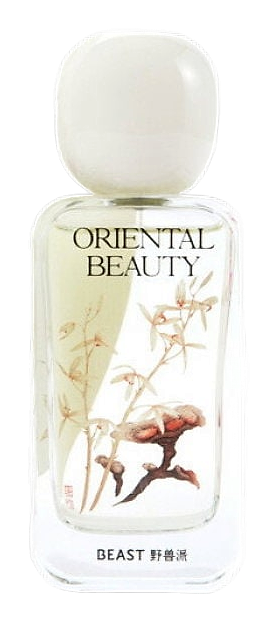
Osmanthus Oolong ranks among Beast's most recognized fragrances internationally, alongside Oriental Beauty. The fragrance appeals to those seeking something outside conventional Western perfumery, people drawn to East Asian botanical traditions and the quiet confidence of understated scents. It's become a reference point for the tea-and-floral combination in niche perfumery discussions.