The Story
Why it exists.
The beginning
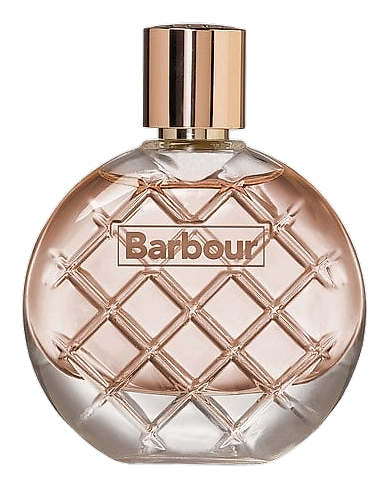
Barbour For Her arrived in 2016 as the label's invitation into the world of fragrance, a natural step for a brand built on the English countryside. Where Barbour's waxed jackets had long translated rural life into something wearable, this scent did the same for air. The brief was simple: take hedgerows and moorland, rose gardens and morning mist, and press them into something you could carry with you. Not a landscape painting. An actual smell, one that belonged to the person wearing it, not the label on their jacket.
The floral-fruity structure isn't accidental. It mirrors how the English actually experience their gardens, not in one dramatic bloom but in layers arriving over time. Pink pepper and red currant arrive first, bright and immediate. Then the florals deepen. Peony softens while jasmine adds warmth underneath. By the time vetiver grounds the base, the whole thing has moved from fresh to familiar, the way a garden you've walked through a hundred times starts to feel like your own.
The evolution
The opening hits crisp and clean, pink pepper gives the red currant something to lean against, keeping the start from going too sweet. Within minutes the florals arrive, smooth and warm, carrying that garden-in-the-morning quality. No harsh transition. Just a gradual hand-off from fruit to bloom. The heart holds for a couple of hours, rose and peony doing the heavy lifting while jasmine adds body underneath. Then the base begins its slow reveal, vetiver first, earthy and grounding, followed by vanilla appearing late and staying late. By the time you check, you're left with a powdery warmth on skin, intimate and close, that doesn't quit for several more hours. Tested across temperatures: warmer conditions bring out the fruit, cooler ones slow the development and let the florals breathe.
Cultural impact
For Her found its audience among those drawn to the Barbour lifestyle, people who already lived the aesthetic and wanted it as a fragrance. The reception was warm: described as sophisticated, fresh, and floral with moderate longevity and sillage that suited everyday wear and professional settings. Though discontinued, it remains discoverable through second-hand channels and fragrance retailers. Wearers often reference similarities to Daisy variants, noting the floral-fruity character and powdery drydown. The fragrance appealed most to those seeking understated elegance over trend-chasing.