The Story
Why it exists.
The beginning
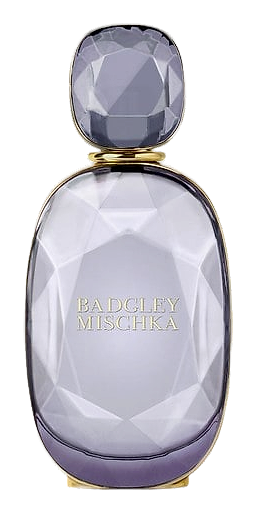
Badgley Mischka arrived in 2006, when the fashion house was nearly two decades old and at the height of its red-carpet reputation. Mark Badgley and James Mischka had built their label on occasion dressing, intricate beadwork, feminine silhouettes, the kind of gowns that make entrances worth making. The fragrance was their next kind of occasion. Richard Herpin, a perfumer at Firmenich, translated that evening-wear DNA into a composition that opened fruity and ended warm, built to accompany women across the moments that mattered most.
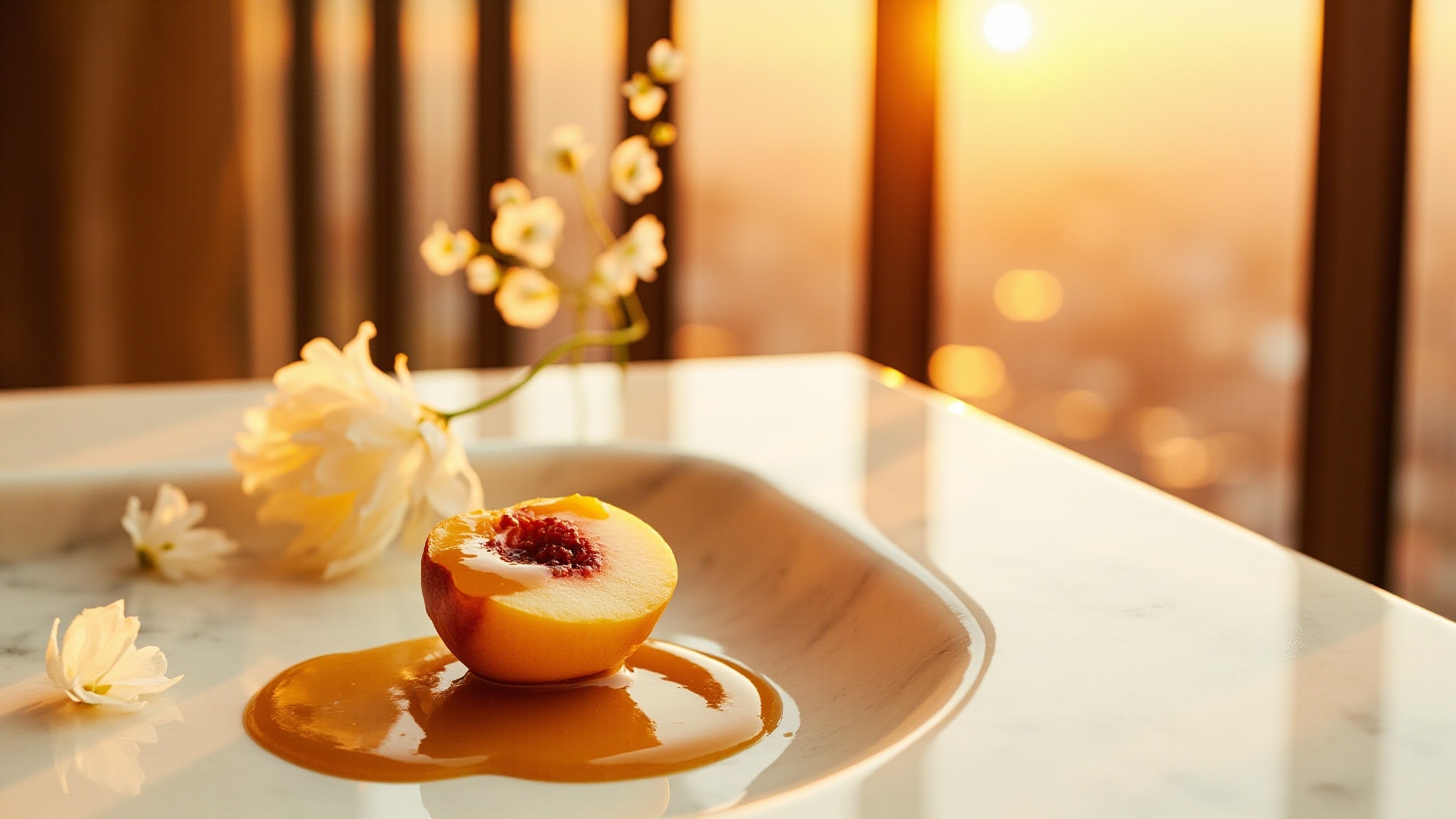
The fruit opening is no accident. Peach and red berries give it an immediate sweetness that reads as approachable, even inviting. But Chinese cassia, a form of cinnamon, adds a warmth underneath that prevents it from tipping into childish. In the heart, osmanthus is the interesting choice. Less common than jasmine or rose, it carries a honeyed apricot note that bridges the fruity opening and the sweet base without feeling redundant. The peony keeps things feminine without going powdery. What results is a fruity-floral that commits to its warmth rather than hedging it.
The evolution
The first minutes are all fruit, peach and red berries bright and sweet, almost luminous on skin. The Chinese cassia keeps it from feeling lightweight, adding a spice that reads as warmth rather than heat. Within the first hour, jasmine and peony arrive and take over, pushing the sweetness into something softer and more floral. That phase holds for several hours, consistently feminine. The drydown is where it earns its occasion-wear credentials. Caramel, musk, and sandalwood settle close to the skin, warm and present without projecting aggressively. By the end, it reads as skin-warm and intimate, the kind of scent someone notices only when they're close enough to matter.
Cultural impact
Badgley Mischka entered the fragrance market in 2006, a period when fashion houses were expanding into beauty as accessible luxury. The brand leveraged its evening-wear heritage to create a scent that translated runway elegance into everyday wear. The 2006 launch coincided with a wave of designer fragrances targeting women seeking sophisticated alternatives to mass-market options. Richard Herpin's composition reflected the era's preference for fruity-floral blends with enough complexity to feel premium without intimidating mainstream consumers. The perfume's warm, intimate character reflected the fashion house's understanding of its clientele, women who wanted presence without announcement, elegance without effort.