The Story
Why it exists.
The beginning
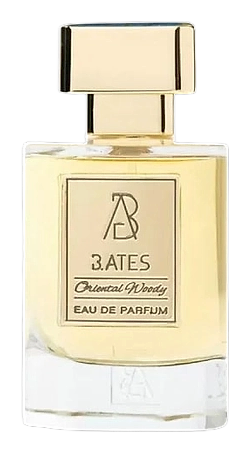
Mark Buxton approached Oriental Woody with a specific directive from Bunyamin ATEŞ: capture the sensory intensity of Istanbul's Grand Bazaar in a bottle. The brief called for contrast, bright opening notes against deep, animalic heart materials. Buxton chose cardamom and saffron as the bridge between these worlds, establishing immediate aromatic warmth that would support the more challenging materials to follow.
The note selection reflects B.ATES's philosophy of contrasts: cardamom and saffron ground the composition in spice-trade heritage, while civet and seaweed push into territory that feels almost avant-garde. The jasmine and rose serve as the bridge between these extremes, their florals softening the animalic edges while preparing the wearer for the woody, vanillic base that defines the lasting impression.
The evolution
The fragrance opens on cardamom's green spice, quickly joined by lemon's citrus brightness and saffron's warm, slightly metallic depth. As the top notes recede, labdanum emerges with its sticky, amber character, while jasmine and rose compete for attention in the heart. Civet adds a feral edge that most modern fragrances avoid entirely, and seaweed introduces an unexpected marine quality that grounds the florals. The drydown shifts to cedarwood and patchouli, their woody earthiness finally softened by vanilla's arrival.
Cultural impact
Since its 2022 debut, Oriental Woody has become a quiet favorite among collectors who appreciate a unisex scent that bridges bright spice with deep wood. It often appears alongside B.ATES' Amber Woody and Citrus Woody in curated sets, and wearers note its ability to transition from daytime office wear to evening gatherings without losing its character. The fragrance has sparked online discussions about the balance of Turkish rose and patchouli, cementing its place in the niche community as a modern take on classic oriental accords.