The Story
Why it exists.
The beginning
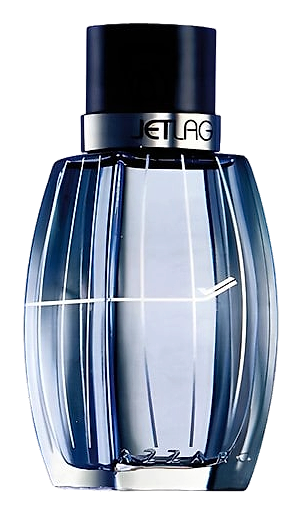
The name says everything: that disoriented feeling between one timezone and the next, between who you were at departure and who you need to become at landing. In 2006, Azzaro tasked Olivier Pescheux with capturing that specific liminal state in a bottle. Not the exhaustion, not the romance of travel itself, but the threshold, the sharp, slightly unreal alertness of arriving somewhere unfamiliar, still carrying the air of somewhere else.
What makes Jetlag structurally unusual is the tea rose in the heart. It's not a supporting player, not a whisper, it's present, confident, and deliberately placed. In 2006, a mainstream men's fragrance from a house built on Mediterranean boldness and hedonistic confidence using rose as a focal point was a genuine statement. Pescheux didn't hedge with woods or spices to soften it. He let it sit in the warm center of the composition, frankincense smoke around it, and trusted the contrast. The result is a fragrance that smells expensive in a way that makes you work a little to understand why, and then you smell the drydown and it clicks.
The evolution
The opening hits immediately. Citrus and cardamom arrive sharp, almost confrontational, 30 minutes of crisp, bright alertness. Then the handoff: the top notes soften and the heart opens up. The frankincense brings smoke, the cinnamon brings warmth, and the tea rose rises through both like something that refused to be placed quietly. The heart lasts for a few hours, the rose holding its ground as the citrus fades and the incense deepens. Eventually the drydown arrives: cedar and patchouli grounded by amber, the rose still faintly there beneath the surface. What lingers longest is that amber-cedar warmth, close to the skin, intimate, not shouting. Moderate sillage means it stays in the room you're in, not the one you just left. A solid 6-8 hours on most skin, with the woody warmth outlasting everything else.
Cultural impact
Jetlag arrived in 2006 as Azzaro's limited-edition experiment in masculine perfumery, and it caught a particular moment when niche fragrances were beginning to challenge mainstream gender coding. The tea rose heart was genuinely unusual for a men's fragrance at that time, years before florals became a accepted part of masculine scent wardrobes. Its cult status stems partly from scarcity (it was limited production) and partly from the olfactory risk it took: placing a delicate floral note between sharp citrus-topped spices and woody-resinous base materials required confident structuring.