The Story
Why it exists.
The beginning
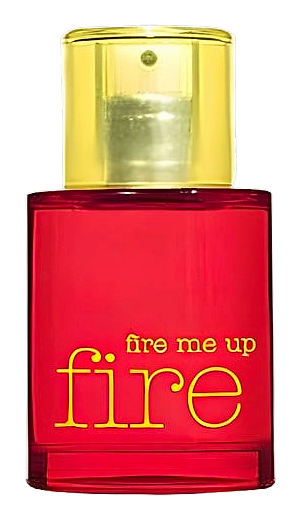
Ursula Wandel created Make Me Smile in 2008 as part of a summer trio from Avon, Fire Me Up and Make Me Wonder completing the collection. The brief was clear: brightness without restraint. Not a quiet, contemplative fragrance, but one that announces itself in the first seconds and doesn't apologize for the joy of that moment. Avon, founded in 1886, had built its fragrance identity on exactly this kind of accessibility, scent as shared experience, not exclusive currency. Make Me Smile arrived as the citrus centerpiece of that philosophy, designed for the kind of person who wants their fragrance to feel like the first day of warm weather.
The choice of marigold in the heart is the unexpected move here. Marigold sits between citrus and white florals, it bridges the gap between the fizzy opening and the warmer drydown. Most fragrances at this price point skip it entirely, relying on simpler floral structures. Wandel used it as a transition material, giving the heart something other citrus florals lack: a slight herbal warmth that keeps the composition from feeling like a candle. The tonka bean in the base reinforces this, sweet, but with an almond-like depth that rounds out what could have been a flat drydown.
The evolution
The opening hits immediately: mandarin orange and bergamot arrive together in a sharp, almost effervescent burst. Grapefruit adds a bitter edge that keeps it from becoming saccharine. This phase lasts roughly 15 minutes before the citrus begins to recede and the marigold takes over, softening the composition into something more floral. Jasmine and lily of the valley appear quietly, not competing with the citrus so much as shadowing it. The drydown is where the synthetic facets become apparent, musk and woody notes settle close to the skin, projecting moderately. On fabric, the fragrance can last into the evening. On skin, the 4-6 hour range is typical, with sandalwood and tonka bean providing the final warmth that lingers longest.
Cultural impact
Make Me Smile found its audience among those who wanted bright, summery fragrance without complexity or exclusivity. The citrus-floral structure positioned it squarely in the summer fragrance category, where it became a staple for everyday wear rather than special occasions. Its 2008 launch aligned with a broader trend toward accessible, mass-market fragrances.
The House
AvonAvon began as a perfume house in the United States and grew into a global direct‑selling network that still places fragrance at its core. The brand offers a range of scents that span classic launches from the 1950s to contemporary releases in the 2020s. Avon’s products reach customers through a personal sales model that emphasizes community and accessibility, making scented experiences a routine part of everyday life.
The Creator
Ursula WandelUria’s signature technique weaves a clear top accord with a sustained heart and a lingering base, often beginning with bright citrus or green notes that dissolve into jasmine, rose, or violet. She favors amber, patchouli, and soft woods to anchor the dry‑down, adding subtle mi…