The Story
Why it exists.
The beginning
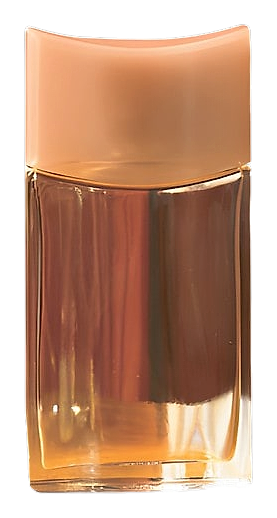
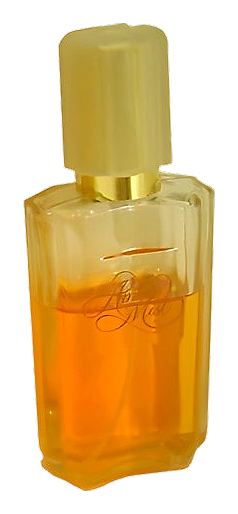
Amber Mist arrived in 1983, a soft amber that fit perfectly into its moment. No drama, no statement-making intent, just a quiet, warm composition that felt like something you'd borrowed from someone who smelled good. The juice itself stays close to the skin from the first spray, with a gentle sweetness that never pushes forward too aggressively. A dusting of powder settles over the initial brightness within the first twenty minutes, giving way to a warmer base of amber resin, soft musk, and just enough vanilla to round out the edges. On fabric, the drydown lasts well into the next day, picking up a slightly woody, almost suede-like quality as the hours pass.
What makes Amber Mist worth noting is its restraint. The accord list reads as just two elements, amber and powdery notes, yet the result carries depth most modern compositions chase with twenty ingredients. That kind of economy was a hallmark of early-80s women's fragrance: a warm resin base, a dusting of something cosmetic and soft, and nothing more. The soft spicy and animalic undertones emerge from the amber itself rather than from added notes, which gives the whole thing a unified, almost monolithic warmth.
The evolution
The opening presents amber immediately, rounded and resinous, without much fanfare. Within the first 20 minutes the powder settles in, lending a cosmetic softness that recalls face powder and clean skin. The soft spicy edge becomes more apparent as the heart fully forms, a warm low hum rather than anything sharp. Over the next few hours the amber deepens and the powder thins, leaving a skin-warm drydown that reads more animalic than it did at the start. By hour five it's quiet, close, and barely there, a trace on a scarf or the collar of a coat rather than a statement. It earns a loyal following among wearers who prefer closeness over projection, respected by enthusiasts for the way it rewards reapplication rather than demanding attention from across the room.
Cultural impact
Amber Mist reads as nostalgia now, and nostalgia is a powerful reason to keep reaching for something. The fragrance has earned a quiet loyalty among wearers who came to it in its early years and never quite found a modern replacement that hit the same balance. There's something about the way the powdery sweetness settles against the skin that feels tied to a specific era, a softness that newer compositions tend to either overcomplicate or strip away entirely. On fragrance forums and in collector circles, it's often mentioned as a touchstone, the benchmark against which other soft ambers get measured.