
The Story
Why it exists.
The beginning
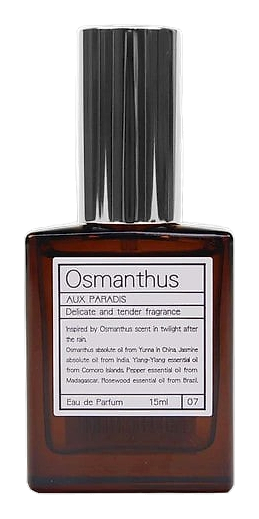
Perfumer Alain Verjus turned to kinmokusei, the small golden flower that announces autumn in Japan, blooming on trees when the first cool nights arrive. The composition reads as an ode to that moment, neither a perfumed fantasy of osmanthus nor a clinical extraction. Just the flower as it lives, sweetened by citrus and held steady beneath. The citrus opening leans bright and zesty, a flash of orange and bergamot that frames the floral heart without competing with it. From there, the osmanthus opens like a slow breath, its apricot and leather undertones unfurling with the gentle insistence of a season turning. Beneath the fruit and flower, a thread of pepper runs warm and persistent, never sharp, always supportive.
What makes this osmanthus work is the restraint. Here, Verjus builds a triangle: the indolic depth of jasmine auriculatum, the soft sweetness of ylang-ylang, and the peppery edge of Madagascar pink pepper, each one measured so the floral can carry the room. The jasmine brings a waxy, almost narcotic warmth that lends gravity to the fruitier osmanthus notes, preventing the composition from tipping into jam. The ylang-ylang folds in next, a creamy tropical softness that rounds the edges and gives the heart a tactile, velvety texture.
The evolution
On skin, the opening belongs to bergamot and orange, bright and almost breakfast-like, a flash of citrus that knows it won't last. The osmanthus arrives early, hiding behind the citrus like it doesn't want to be seen, then slowly takes the room as the top notes recede. The fruitiness of osmanthus settles into something that reads closer to soft leather than syrup, a quiet apricot depth that warms rather than sweetens. The pepper hums underneath the whole time, a low warm-spice static that gives the composition its backbone and keeps the sweetness from sagging. As the hours pass, the florals have thinned to a hush, and ho wood steps forward with its quiet creamy warmth, joined by white musk that keeps things clean and skin-close. What's left is a skin-close veil of woody musk with a faint apricot echo. Close. Intimate. The kind of drydown you'll catch on a sleeve the next morning.
Cultural impact
Osmanthus by Aux Paradis occupies a particular kind of space in fragrance, the kind reserved for compositions that trust their own quietness. It's a scent that doesn't ask to be the loudest presence in the room, and that's precisely what makes it land. The fragrance treats kinmokusei with the kind of care usually reserved for the rarest materials in perfumery, though osmanthus here isn't presented as precious or precious-seeming. It's presented as ordinary. Familiar. The kind of flower you'd walk past on a residential street and remember later without quite knowing why.
The House
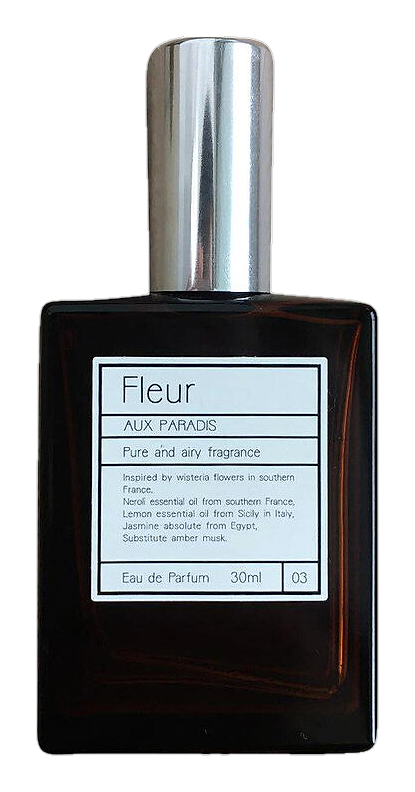
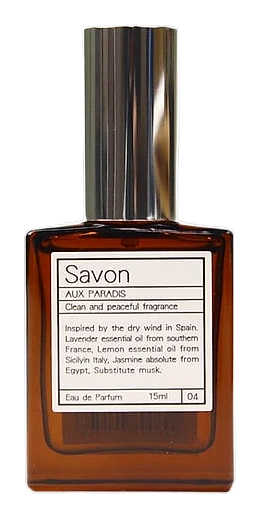
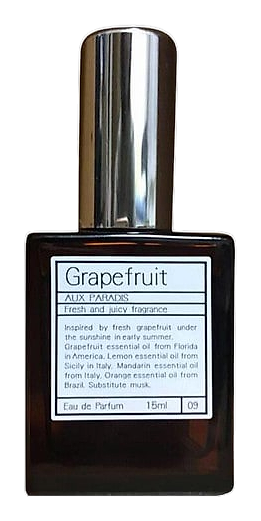
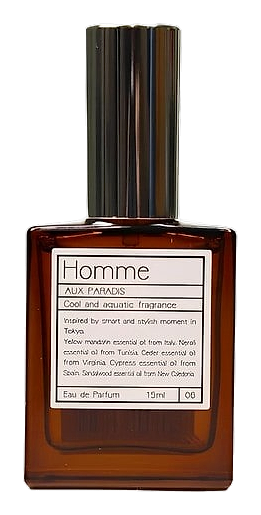
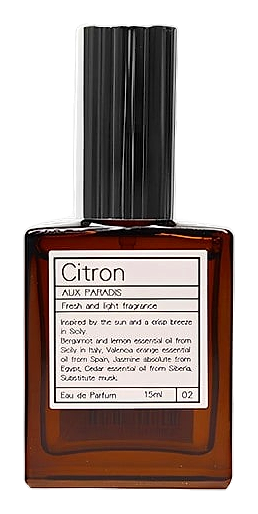
Aux ParadisAux Paradis is a Japanese fragrance house that quietly re‑imagines everyday aromas as minimalist perfumes. Since its 2008 debut the brand has built a modest catalogue that includes Osmanthus, Savon, Citron, Grapefruit, Pure, Spring Garden, Rose, Fleur, Homme and Winter Berry. Each scent is presented in a clean bottle that lets the fragrance speak for itself, offering a calm alternative to louder perfume trends.
The Creator
Alain VerjusVerjus favors natural absolutes and transparent synthetics that echo their source. He often starts with a single note—lavender, ambergris, or cedar—and lets it dictate the structure.