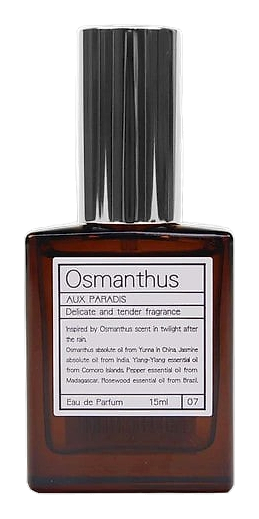
The Story
Why it exists.
The beginning
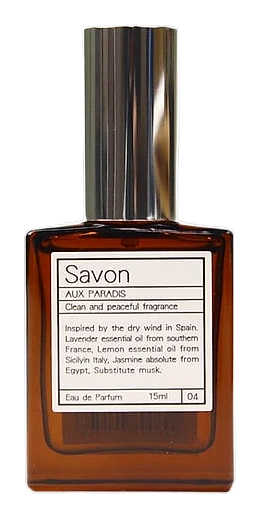
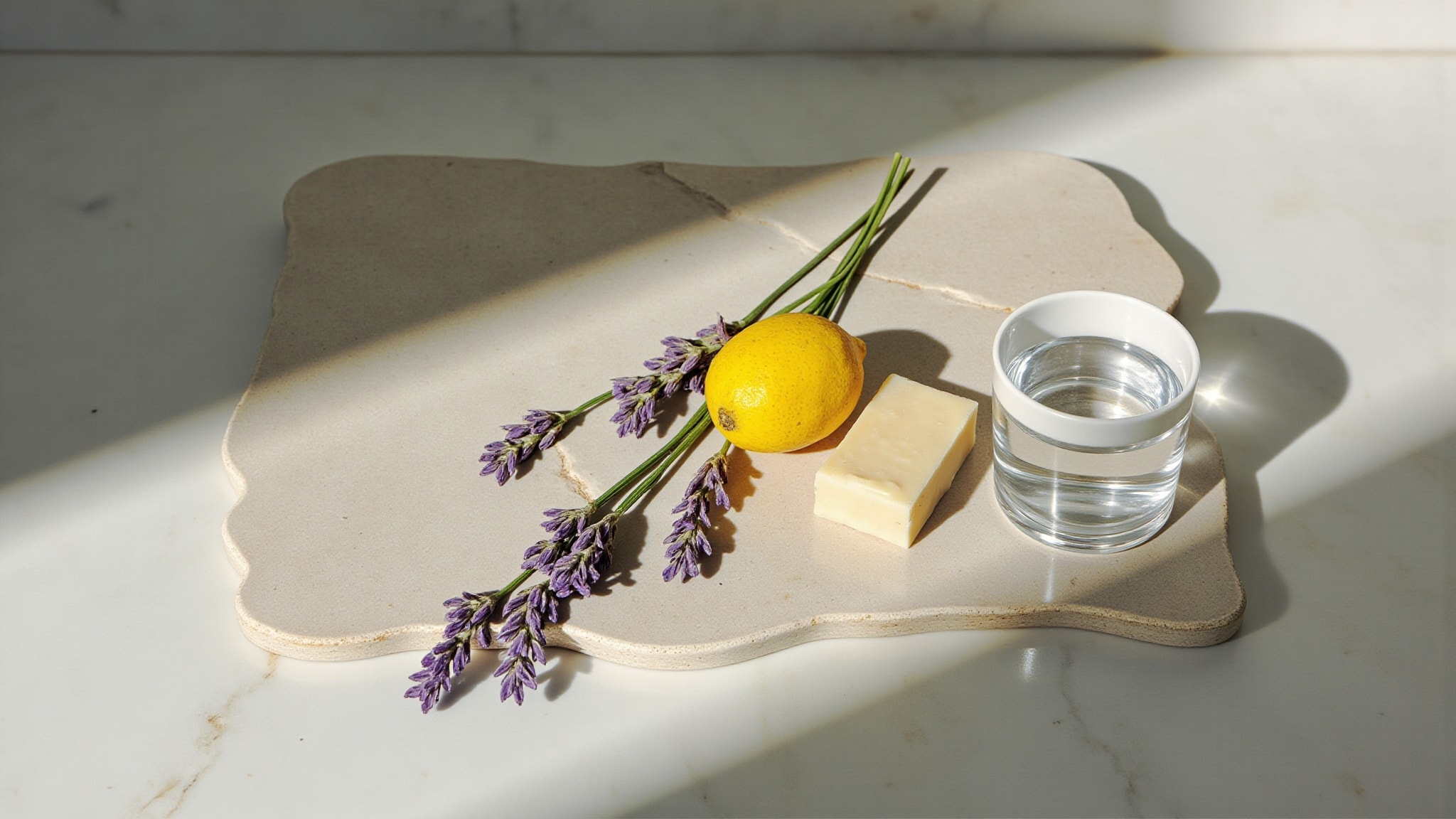
Savon arrived in 2008, the same year the brand launched. The name means soap in French, and that's the brief: capture the slippery, comforting moment just after a bath, when skin still holds warmth and the air smells faintly of suds. The composition is built around a Provençal lavender heart, the herbal-clean variety that drifts through French apothecary shops and sun-warmed linens alike. The concept is simple enough to be disarming. Rather than chasing complexity, the scent leans into the single most familiar clean smell there is, then dresses it with enough jasmine and lemon to keep it from feeling institutional. The lemon lifts the top with a bright citrus peel, almost bitter, that cuts through the herbal density below.
What's interesting is the material choice. The lavender is specifically Provençal, the herbal-cool variety that reads slightly powdery, paired against Egyptian jasmine absolute, a dense floral that adds weight to what could otherwise feel thin. The musk at the base is a clean synthetic. That pairing, herbal lavender over floral jasmine over soapy musk, reinforces the clean-skin illusion from different directions. Each layer speaks the same visual language but in a different register. The lavender carries the cool, camphorated top note that most people associate with herbal cleansers.
The evolution
The first thirty minutes are the brightest the fragrance ever gets. Sicilian lemon hits cold and sharp, almost window-cleaner bright, with basil adding an edge that makes the opening feel more like a kitchen than a bathroom. Within the hour the citric top burns off and the Provençal lavender takes over completely, cool and herbal, reading somewhere between a fresh towel and a linen spray. The jasmine absolute sneaks in underneath, never loud enough to register as a floral perfume but present enough to soften the lavender's herbal austerity into something warmer. By hour three, the musk arrives for good. It builds slowly underneath, replacing the lavender's brightness with a clean skin-muskskin impression that stays remarkably stable through the rest of the wear. The drydown doesn't shift so much as settle, the way a room quiets after a conversation ends.
Cultural impact
Savon occupies a narrow but well-loved corner of the clean-skin fragrance category. The territory is familiar: post-bath, post-workout, the ten minutes between waking and leaving the house. It appeals to people who find loud fragrances exhausting, who want something close to the skin that registers as care rather than costume. The appeal is partly the comfort of recognition. Soap is a smell almost everyone has a positive association with, and Savon leans into that without overcomplicating it. There's no attempt to subvert or modernize the concept.
The House
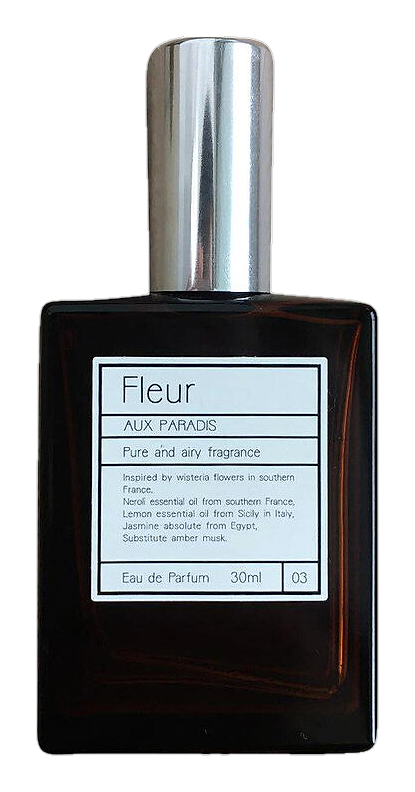
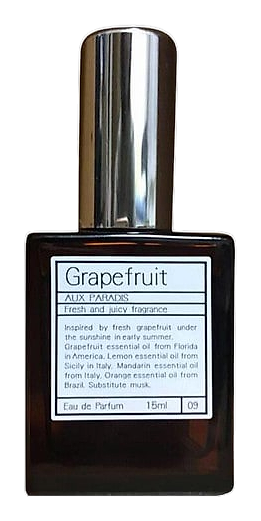
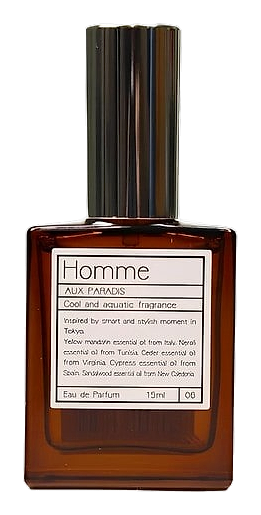
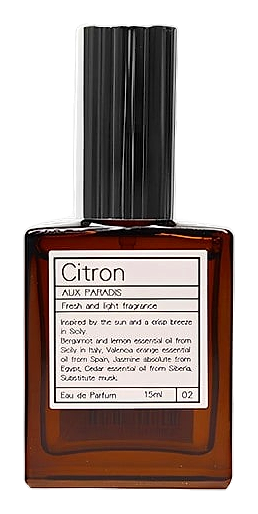
Aux ParadisAux Paradis is a Japanese fragrance house that quietly re‑imagines everyday aromas as minimalist perfumes. Since its 2008 debut the brand has built a modest catalogue that includes Osmanthus, Savon, Citron, Grapefruit, Pure, Spring Garden, Rose, Fleur, Homme and Winter Berry. Each scent is presented in a clean bottle that lets the fragrance speak for itself, offering a calm alternative to louder perfume trends.
The Creator
Alain VerjusVerjus favors natural absolutes and transparent synthetics that echo their source. He often starts with a single note—lavender, ambergris, or cedar—and lets it dictate the structure.