The Story
Why it exists.
The beginning
Honey becomes something you feel rather than taste. Cinnamon turns inward. The cold outside makes the warmth on skin feel earned. Polar Night takes its name from the months-long darkness that swallows the landscape above the Arctic Circle, when the sky doesn't just dim, it disappears entirely. Aurora Borealis built this fragrance around that paradox: what happens to sweetness when there's no light to see it by? Honey becomes something you feel rather than taste. Cinnamon turns inward. The cold outside makes the warmth on skin feel earned. Each scent carries a Russian title alongside its English translation, a bilingual identity that mirrors the cultural crosscurrents of northern Europe.
Honey is typically a clinging, clinging note, but here it's been grounded by tobacco and moss until it reads less as sweetness and more as warmth radiating from within. The warm spices don't compete with the cool florals, they take turns occupying the same space. The heart of the composition features rose, patchouli, and tuberose, three notes in constant dialogue. Patchouli grounds the rose, preventing it from floating into abstraction. Tuberose arrives later, taking what the rose left unfinished. The warm spices don't compete with the cool florals, they take turns occupying the same space.
The evolution
The opening hits sharp. Honey, blood mandarin, and cinnamon arrive almost simultaneously, a triple assault of sweetness that can feel aggressive for the first ten minutes. The mandarin retreats first, leaving cinnamon and honey to dominate the air around you. This phase reads loud. Thirty minutes in, patchouli enters. Earthy, dark, slightly bitter. It doesn't soften the honey, it argues with it. The rose emerges between these two forces, delicate and easily overwhelmed, but holding its ground. Tuberose eventually joins the conversation, waxy and nocturnal, shifting the heart from floral into something warmer and stranger. This is the fragrance's most complex phase. The drydown belongs to tobacco and moss. Honey transforms into something resinous, almost syrupy. The tobacco stops smoking and starts breathing, quiet, close, intimate.
Cultural impact
Polar Night is a rich, warm, intimate composition built around a honey-tobacco axis. Its bilingual naming and point of view set it apart from mass-market sweet florals, attracting wearers who want something that feels discovered rather than marketed. No awards, no celebrity backing, just a strong point of view. The honey-tobacco axis puts it in conversation with other warm, sweet fragrances, though Polar Night skews sweeter and less smoky. It's the kind of fragrance that earns its reputation one conversation at a time. Polar Night is a rich, warm, intimate composition built around a honey-tobacco axis.
The House
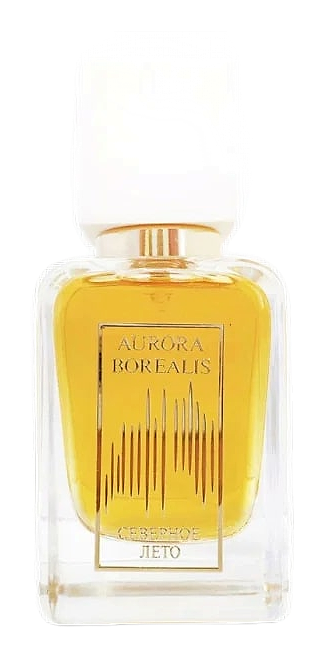
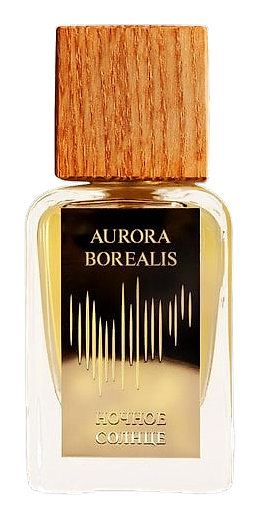
Aurora BorealisAurora Borealis is a Swedish artisan fragrance house that captures the stark beauty and atmospheric drama of northern landscapes. The brand builds its collections around emotional resonance, translating the experience of arctic environments into wearable scents. Each fragrance carries a Russian title alongside its English translation, creating a distinctive bilingual identity that reflects the cross-cultural character of Scandinavian perfumery. The house draws inspiration from the interplay of darkness and light that defines life above the Arctic Circle, where months of polar night give way to summers that never fully fade to darkness. Aurora Borealis approaches fragrance as an emotional medium rather than a commercial product, with scents designed to evoke specific moods and memories tied to northern geography.
The Creator
Nikolay EreminNikolay favors a palette that juxtaposes fresh green notes with rich, nutty bases. Fig, hazelnut, and milk often appear in his openings, while amber, benzoin, and iris provide depth.