The Story
Why it exists.
The beginning
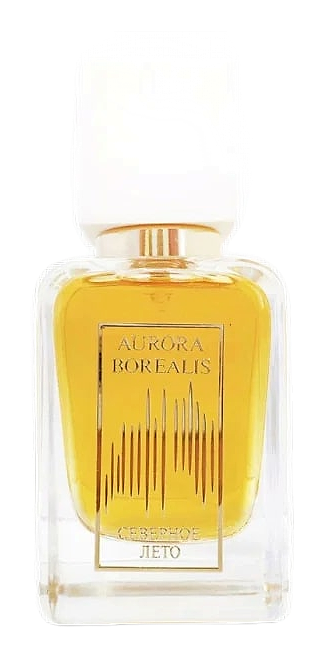
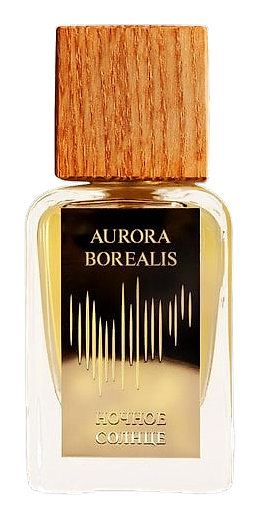
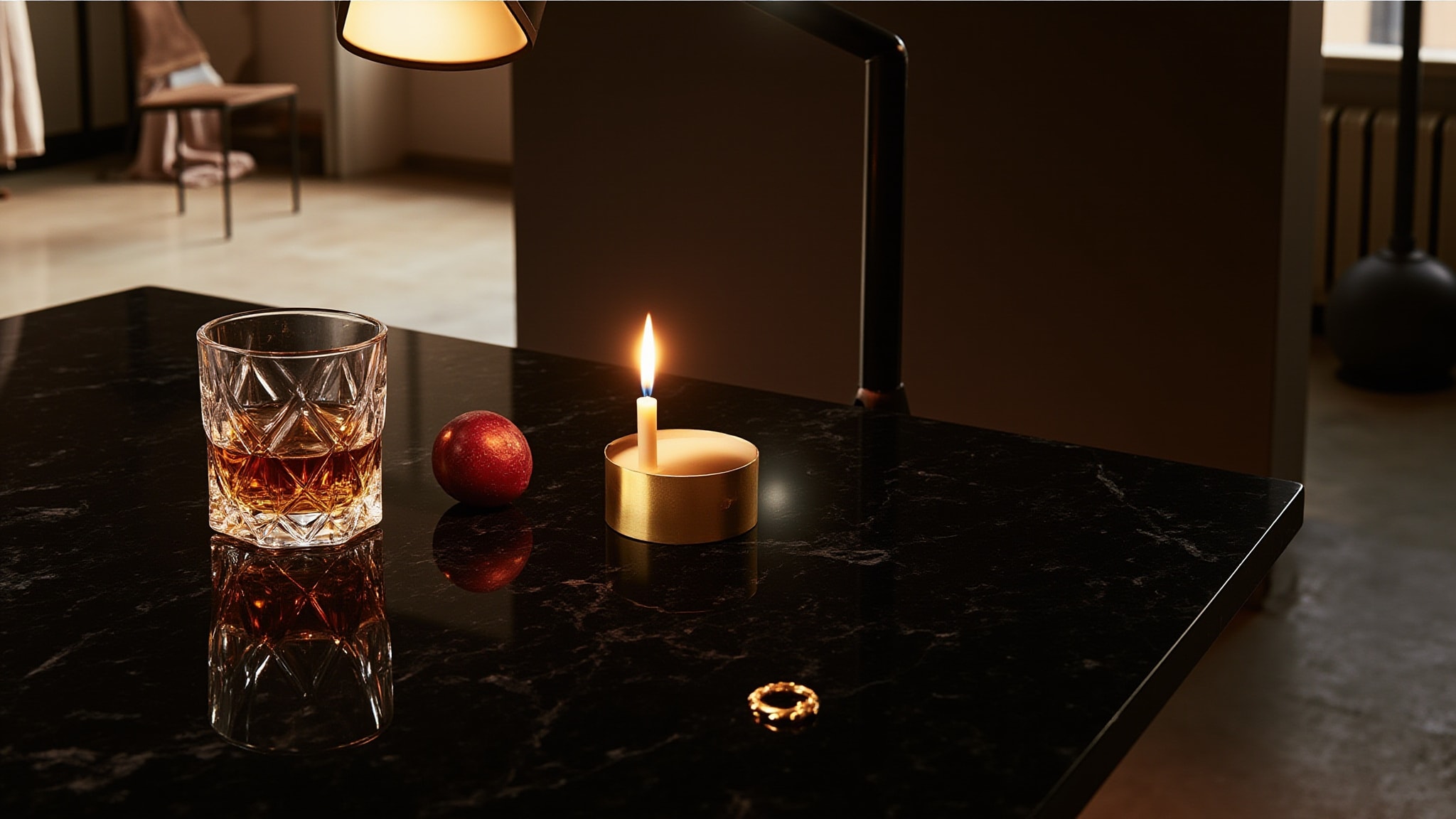
Night Sun began as a study in contradiction. Valeria Karmanova composed it for Aurora Borealis in 2026, and the opening conjures a luminous paradox captured in glass: the suggestion of a sun that lingers when it should have already set. Karmanova works in materials that carry their own residual warmth, things that feel as though they've been left out too long in a warm room. Rum opens the composition with the impression of a glass poured hours ago, its sweetness still present but flattened by evaporation. Plum arrives ripened past its prime, dense and slightly overripe, carrying a jammy depth that borders on ferment. Honey holds onto something floral that time has already claimed, a waxy sweetness wrapped around petals that have begun to brown.
What makes the structure interesting is how Karmanova balances the sweet and the smoked without letting either collapse into the other. Davana is an unusual choice in the top, an herb that smells almost of fermented fruit and brandy, and it bridges the rum and bergamot opening into something warmer than either note alone. Chamomile in the heart does similar work, pulling the honey's sweetness into tea-like territory before the tobacco takes over. The result reads layered rather than stacked.
The evolution
The first ten minutes belong to rum and bergamot, sharp and slightly boozy, the davana curling underneath like steam off a warm pour. Then plum lands, and the composition shifts from bright to golden. Honey thickens the air. Chamomile cools the edges just enough to keep the sweetness from cloying. Two hours in, the tobacco arrives properly, not as smoke but as cured leaf, dry and faintly sweet. Peru balsam wraps around it, adding a vanillic warmth that reads almost edible. The tonka bean settles into the base around the fourth hour, and from there the drydown holds steady, close to skin, warm, slightly resinous. On fabric the next morning, you get plum, faint tobacco, and that honey-chamomile ghost. It doesn't project loudly at any point, but it doesn't fade either. It just stays, the way a long summer evening does, lingering past the point you expected to leave.
Cultural impact
Night Sun continues Aurora Borealis's series of bilingual releases, the Cyrillic title Ночное Солнце paired with its English translation directly beneath. The 2026 composition translates an olfactory interpretation of a vivid summer evening into wearable form, capturing the lingering glow that refuses to fully fade after the sun has technically gone down. Rather than referencing the cold clarity of the aurora, the fragrance leans into warmth, into the residue of a long day.
The House
Aurora BorealisAurora Borealis is a Swedish artisan fragrance house that captures the stark beauty and atmospheric drama of northern landscapes. The brand builds its collections around emotional resonance, translating the experience of arctic environments into wearable scents. Each fragrance carries a Russian title alongside its English translation, creating a distinctive bilingual identity that reflects the cross-cultural character of Scandinavian perfumery. The house draws inspiration from the interplay of darkness and light that defines life above the Arctic Circle, where months of polar night give way to summers that never fully fade to darkness. Aurora Borealis approaches fragrance as an emotional medium rather than a commercial product, with scents designed to evoke specific moods and memories tied to northern geography.
The Creator
Valeria KarmanovaKarmanova's style resists easy categorization, which suits an independent perfumer working outside the constraints of mass-market appeal. Her forty-one fragrance output covers considerable ground, suggesting comfort with diverse fragrance families and a willingness to experime…