The Story
Why it exists.
The beginning
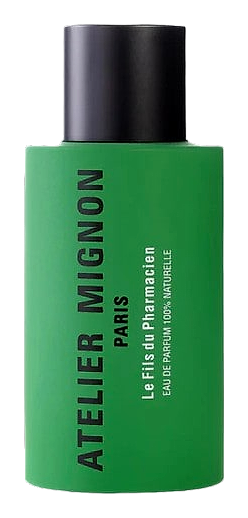
Le Fils du Pharmacien, the pharmacist's son, comes from Atelier Mignon. Its idea is the atmosphere of an apothecary, filtered through the phrase that first catches you: a decoction, a reassuring infusion of 25 essential oils. Marie Urban Le Febvre built the fragrance around peppermint, clove, eucalyptus, geranium, pine, rosemary, thyme, cypress, juniper, lemon, sweet orange, and a broad supporting cast of herbs, woods, and resins. The result isn't a literal recreation of a shop, but an apothecary impression with more movement and contrast. The opening reads as a clean, bracing inhalation, mint and eucalyptus sharpened by citrus, before the composition settles into deeper herbal and woody notes that feel closer to crushed leaves, cut stems, and warmed spice.
The unusual part is abundance without ornament. Peppermint and eucalyptus give the composition a clean medicinal snap, while orange, lemon, and mandarin keep it sparkling rather than austere. Rosemary, thyme, sage, lavender, and geranium bring the green herbal character of an infusion. Cedarwood, Ho Wood, and pine ground it, with patchouli and styrax adding a darker undertow. Twenty-five essential oils make this less about one standout note than the friction between cool mint, bitter citrus, aromatic herbs, and dry woods.
The evolution
The opening arrives with peppermint and eucalyptus pressing forward, sharpened by lemon and orange. It feels brisk and clarifying, almost medicinal, but citrus keeps the edge from becoming severe. As the first hour passes, the scent shifts toward rosemary, thyme, lavender, geranium, clove, and sage. That middle stretch is warmer and more aromatic, like herbs releasing their oil between your fingers. Patchouli and Styrax then pull the composition downward while cedar, Ho Wood, and pine keep it dry. The final hours settle into a herbal-woody trail with less citrus sparkle and more camphor, mint, and green stem character. As it wears on, the bright top notes give way gradually, the herbal heart grows more textured, and the dry woods and resins linger close to the skin, leaving a clean, aromatic trace that still recalls the opening.
Cultural impact
Le Fils du Pharmacien draws on the imagery of the apothecary, presenting the fragrance as part herbal tonic, part sensory memory, and part contemporary reimagining of the European perfumer's pharmacy. The apothecary idea runs through every stage of the composition: peppermint and eucalyptus give the opening its brisk, almost medicinal clarity, lemon and sweet orange keep it luminous, and the herbs of the heart, from rosemary and thyme to lavender, geranium, and sage, create the impression of oils pressed from fresh cuttings.
The House
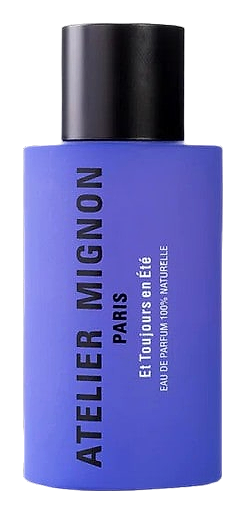
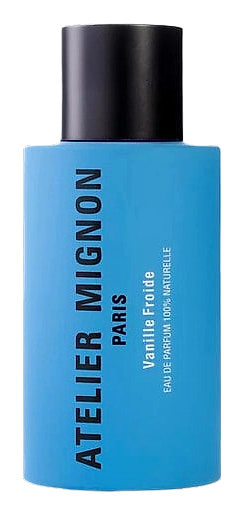
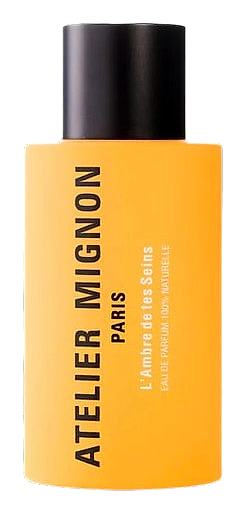
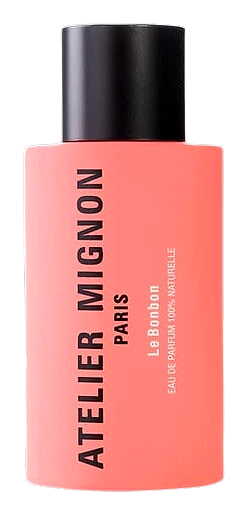
Atelier MignonAtelier Mignon is a Paris fragrance house that introduced five natural perfumes in 2024. Its debut collection spans familiar sensations and unexpected characters, from the warmth of Le Bonbon and the skin-like character of L’Ambre de tes Seins to the cool profile of Vanille Froide. Et Toujours en Été evokes summer, while Le Fils du Pharmacien draws on the atmosphere of an apothecary. The house offers an intimate introduction to niche perfumery, built around scent memories, sensory contrasts and compositions designed to leave a distinct impression.
The Creator
Marie Urban Le FebvreMarie favors a minimalist architecture, layering a few high‑impact ingredients rather than crowding the composition. She often begins with a single anchor—such as cedar, ambergris or a rare flower—and builds around it with supporting accords that echo the anchor’s texture.