Heritage
A house, in its own words
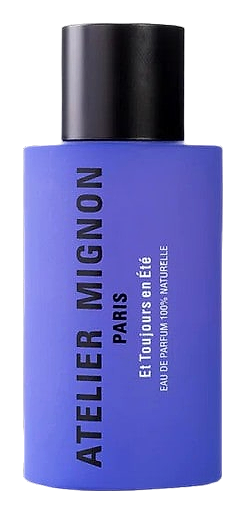
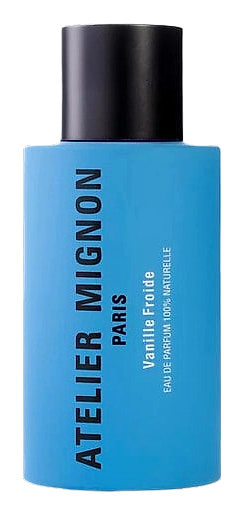
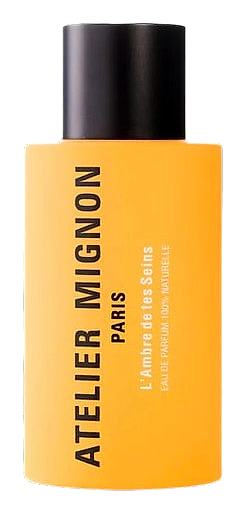
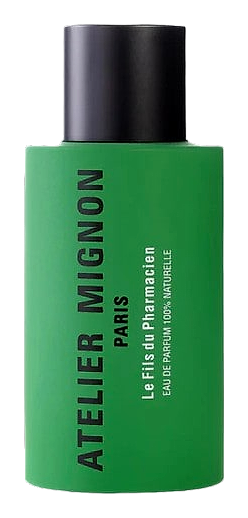
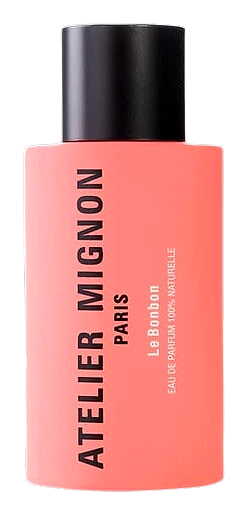
Atelier Mignon emerged in Paris from a meeting between its two founders, who brought nearly twenty years of shared professional experience. Their shared background shaped the decision to create fragrances with a singular character rather than follow a conventional house style. The first public presentation came in 2024 with a tightly focused collection of five perfumes. This debut included Et Toujours en Été, a composition centered on the feeling of summer; Le Bonbon, which uses the idea of sweets as its creative anchor; L’Ambre de tes Seins, an amber fragrance framed through the language of skin; Vanille Froide, a fresh treatment of vanilla; and Le Fils du Pharmacien, inspired by the world of the pharmacist. The 2024 launch marks the house’s clear entry into the independent fragrance scene. Available information identifies Atelier Mignon as a new Paris-based brand, but does not establish earlier dates for the partnership or reveal the founders’ names. Its early story is therefore one of accumulated experience distilled into a compact first collection, rather than a history built over generations. This relatively short heritage gives the house an understated beginning and makes the five fragrances its defining milestone. Atelier Mignon approaches perfumery through images, sensations and contrasts. Its fragrances begin with evocative concepts that can be immediately grasped, such as summer, candy, skin, cool vanilla and a pharmacist’s son, then translate them into olfactory compositions. This method allows each perfume to operate on two levels, personal memory and sensory imagination. The house is particularly interested in color-like differences between notes, pairing warm sweetness with freshness, amber with the mineral or intimate impression of skin, and the dark cultural resonance of an apothecary with the brightness of summer. The debut collection’s natural positioning suggests an interest in recognizable materials and a restrained approach to composition. Nothing in the available material links the fragrances to individual perfumers, so Atelier Mignon appears to present them primarily through the creative direction of the house and its founders. Its identity is modern and intimate, centered less on formal fragrance mythology than on the emotional charge of a smell. The names play an important role in this philosophy. They act as entry points, inviting wearers to imagine a person, a place or a sensation before the scent unfolds on skin.