The Story
Why it exists.
The beginning
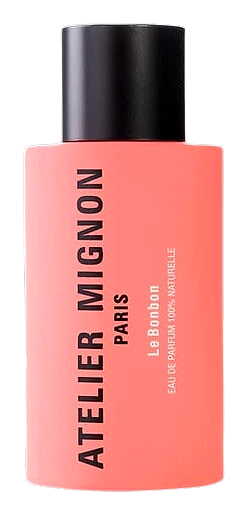
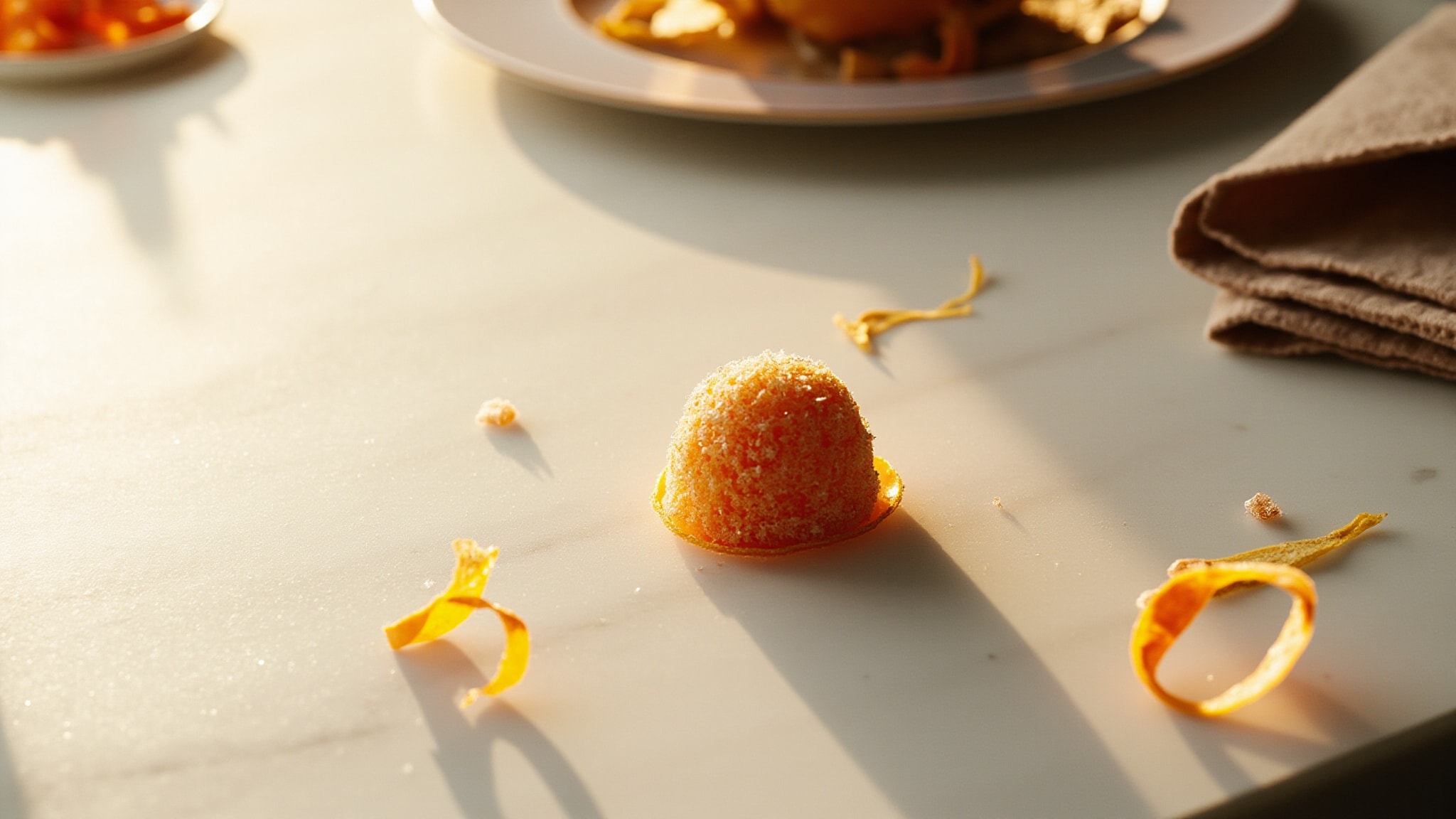
Le Bonbon draws its creative anchor from sweets and the playful sensory contrasts they invite. Rather than treating candy as a literal sugary accent, the idea is shaped through deliberate juxtaposition: lively citrus and soft orange blossom set against a warmer, earthier base. The result wears like confectionery with its shoes on. Bright enough for the first impression, but not so innocent that it loses depth. Citrus notes bring a polished, sparkling freshness to the opening, while orange blossom adds a soft white floral texture that rounds the composition. As the fragrance settles, vanilla lends a creamy sweetness and patchouli introduces a darker, earthy counterweight.
What makes Le Bonbon interesting is the handoff between materials that seem too different to share the same space. Bergamot, mandarin, and orange bring lift and zing, while orange blossom softens the center into a polished floral warmth. Then vanilla and patchouli pull in opposite directions: one creamy and comforting, the other earthy and faintly smoky. That contrast prevents the sweet theme from becoming predictable. The candy idea remains, but it arrives as a mood rather than a flavor pasted on top.
The evolution
Le Bonbon begins with a clean burst of citrus, immediately readable and lively. Bergamot gives it polish, mandarin adds rounded brightness, and orange brings a juicy edge that pulls the scent forward. Together, they create a fresh opening with a clean, polished character and a hint of citrus sparkle. As those notes soften, orange blossom takes over with a white floral glow, making the composition feel smoother and more intimate. The citrus brightness and floral softness overlap briefly, balancing freshness with gentle sweetness. The real character arrives during the drydown, when vanilla settles into a creamy sweetness while patchouli introduces a darker, earthy counterweight. That pairing gives the final hours more depth without losing the pleasure of the opening.
Cultural impact
Le Bonbon explores the tension between childhood associations and adult scent portraits. Its confectionery idea suits wearers who enjoy recognizable notes with a less obvious edge, particularly the meeting of bright citrus, white floral softness, and patchouli's earthy shadow. Citrus and orange blossom make the opening playful and inviting, while vanilla brings a familiar creamy sweetness into focus. Patchouli adds depth, turning the candy-like idea into something more textured and grown-up without taking away its sense of pleasure.
The House
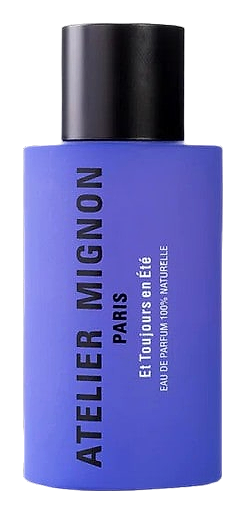
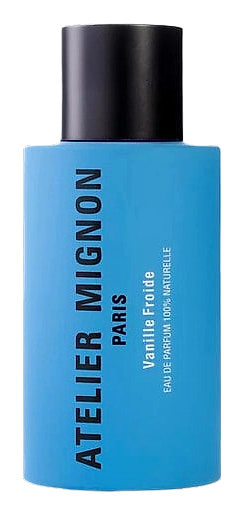
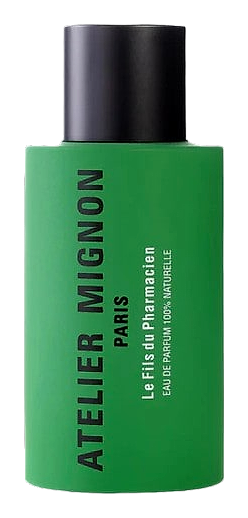
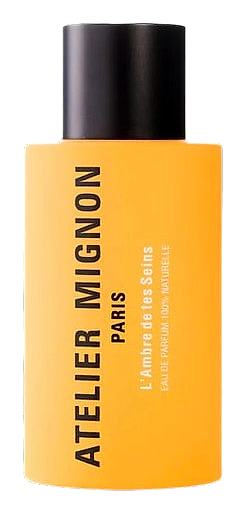
Atelier MignonAtelier Mignon is a Paris fragrance house that introduced five natural perfumes in 2024. Its debut collection spans familiar sensations and unexpected characters, from the warmth of Le Bonbon and the skin-like character of L’Ambre de tes Seins to the cool profile of Vanille Froide. Et Toujours en Été evokes summer, while Le Fils du Pharmacien draws on the atmosphere of an apothecary. The house offers an intimate introduction to niche perfumery, built around scent memories, sensory contrasts and compositions designed to leave a distinct impression.
The Creator
Marie Urban Le FebvreMarie favors a minimalist architecture, layering a few high‑impact ingredients rather than crowding the composition. She often begins with a single anchor—such as cedar, ambergris or a rare flower—and builds around it with supporting accords that echo the anchor’s texture.