
The Story
Why it exists.
The beginning
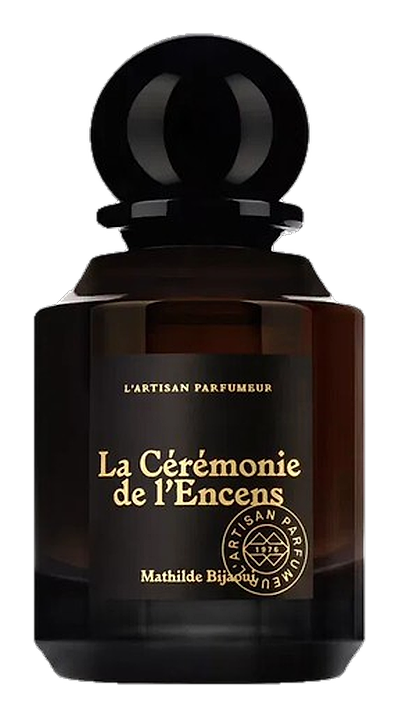
La Cérémonie de l'Encens translates as 'The Ceremony of Incense.' Mathilde Bijaoui built this around olibanum, a resin with millennia of ritual behind it. The Somalian frankincense carries that sacred weight, while Malabar pepper keeps the opening warm rather than sharp. Cedar anchors the drydown into something polished. The fragrance becomes an intimate conversation rather than a statement, its smoky resinous character softening as it settles into the skin. There's a meditative quality to how the notes unfold, with the incense taking center stage while the woody undertones provide a quiet sophistication that lingers through multiple wearings.
The somalian olibanum carries a balsamic, almost sacred depth while the Malabar pepper softens the opening without harshness. It's not groundbreaking, but it's a very sophisticated take on incense as a central note. Close sillage, strong longevity, intimacy before declaration.
The evolution
The first hour reads slightly dated and stuffy before softening into something more refined. The incense settles, the woody notes align, and by the second hour it becomes an elegant, close-wearing composition that drifts between meditative and masculine depending on the wearer. Hinoki and cedar form the backbone throughout, with the cedar particularly prominent in the drydown, polished and sophisticated but linear. The scent reveals itself gradually to those who find themselves near you, never demanding attention from across a room but offering something layered and considered to anyone who gets close enough to notice.
Cultural impact
The 2025 release fits squarely into L'Artisan's history of unusual fragrances that draw from nature. It offers a meditation on what incense means when stripped of its liturgical associations and rebuilt as something truly personal. Somalian frankincense lends the composition a sacred character that feels authentic rather than ornamental, while Malabar pepper adds a warmth that prevents the whole experience from becoming merely reverential. This is a fragrance for those who find meaning in scent rather than spectacle.
The House
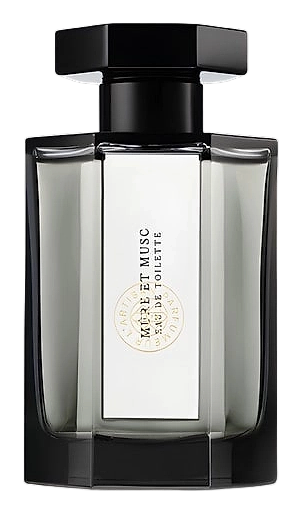
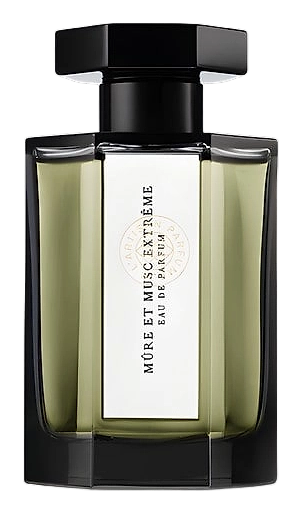
L'Artisan ParfumeurL'Artisan Parfumeur arrived in 1976 with a quietly radical idea: perfume should feel personal, not mass-produced. Founded by chemist Jean Laporte in Paris, the house became one of the first true niche fragrance houses, championing natural ingredients and artisanal craft at a time when blockbuster launches dominated the market. Its Mûre et Musc, launched in 1978, paired blackberry and musk in a way no one had attempted before, and it became a sensation. Over nearly five decades, the house has continued to create unusual fragrances with distinguished noses, never following trends but trusting instead in beautiful materials and imaginative composition.
The Creator
Mathilde BijaouiBased on her known work, Bijaoui's style leans toward warm, ambery, and slightly gourmand compositions. She seems to enjoy working with spices, woods, and musks, creating fragrances that are both comforting and sensual.