The Story
Why it exists.
The beginning
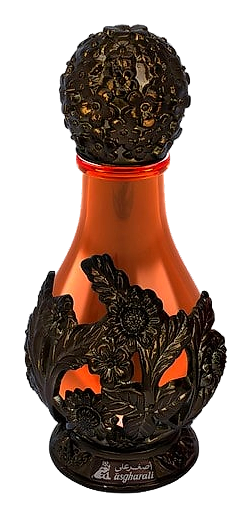
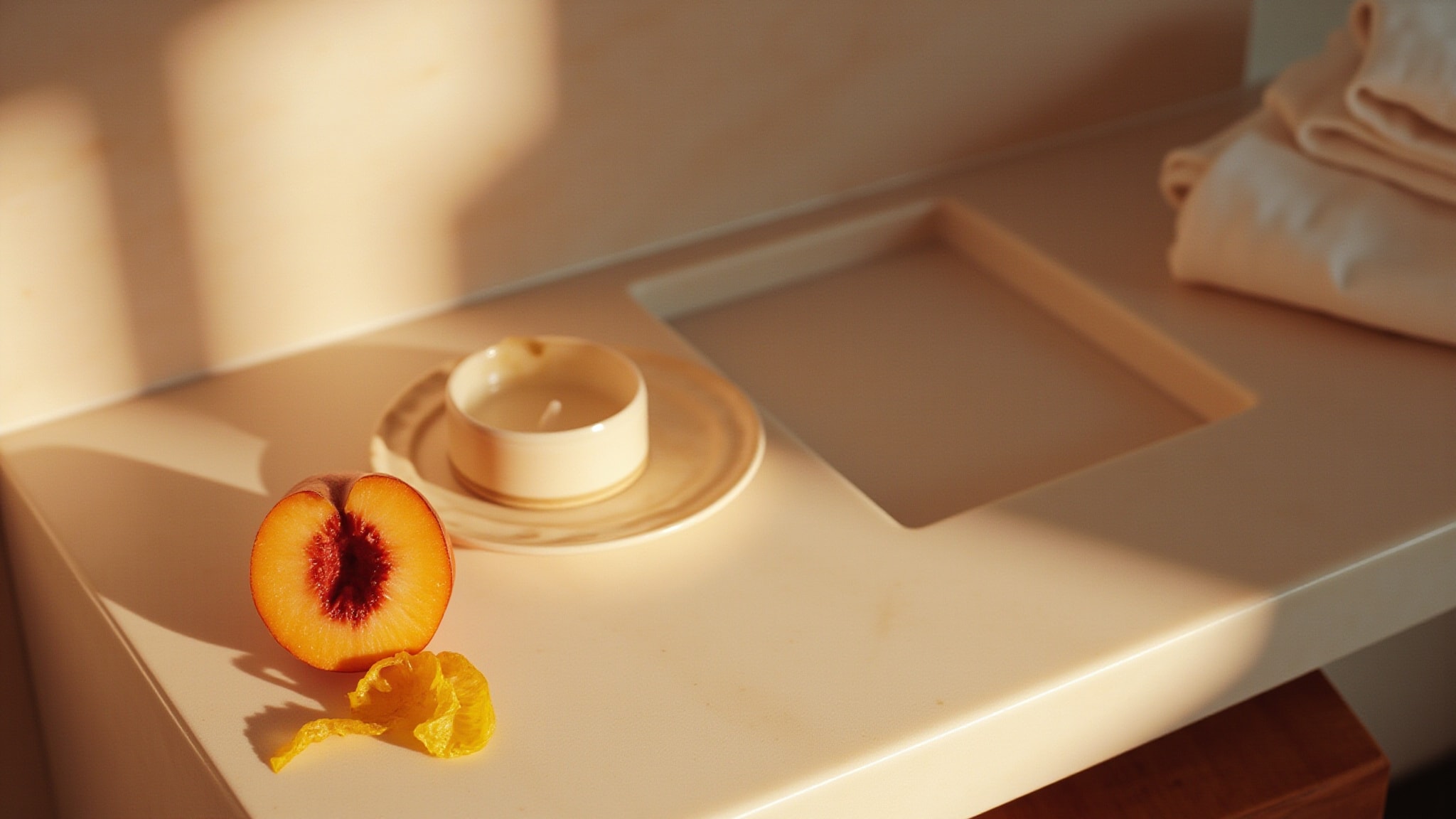
Jinan by Asgharali is a discontinued women's floral-fruity composition that once held a quiet place in the brand's bottled perfume catalogue. The fragrance emerged as part of Asgharali's broader bottled-perfume range, a collection shaped by the house's work in regional fragrance-making. Its name carries the resonance of an Arabic garden, and its structure reflects a signature approach: regionally rooted ingredients translated into a modern, wearable format. Production was apparently discontinued, making remaining bottles a quietly held piece of the house's bottled-perfume lineage. The opening is built around peach and citrus, handled with a soft touch rather than a bright, sharp introduction.
The composition reads as a deliberate study in restraint. Peach and citrus handle the introduction without sharp edges, a welcome approach that avoids the bright, aggressive openings common in many commercial fruity florals. The heart leans powdery and white, built on lily of the valley and rose with white flowers rounding out the bouquet. The base settles into sandalwood, cedar, and musk, a warm-woody finish that gives the fragrance its lasting gravity. Nothing here shouts. Nothing needs to.
The evolution
On skin, Jinan opens with a burst of peach and citrus that feels distinctly edible, like biting into ripe fruit on a warm morning. The citrus lifts quickly, leaving the peach to soften into the floral heart. Lily of the valley brings that green-soapy freshness, while rose and white flowers thicken the middle into something powdery and intimate. The florals hold for the first 2-3 hours, gradually yielding to a sandalwood-cedar base that warms without ever turning heavy. The musk underneath keeps everything close to skin, a gentle hum rather than a projection. By the 4-6 hour mark, what remains is a soft woody sweetness, the kind of scent that lingers on a scarf or a collar the next morning, subtle but unmistakable to anyone who leans close.
Cultural impact
Jinan sits in a quieter register of regional perfumery, one that favors softness over intensity. Its discontinued status and modest footprint give it the quality of an under-the-radar find rather than a widely circulated commercial release: familiar enough to wear comfortably, distinctive enough to remember. It offers a gentle floral-fruity alternative for those who prefer lighter compositions over heavier traditional formats. The fragrance's appeal rests on its restraint.