The Story
Why it exists.
The beginning
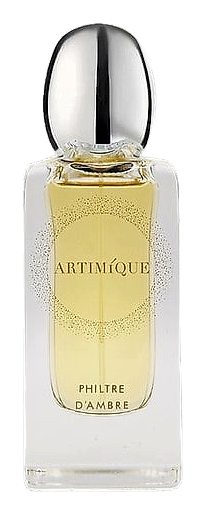
Cristiano Canali built Philtre d'Ambre around a single provocation: what would Venice smell like in the 13th century, when the lagoon was still a working harbor and the churches still smelled of fresh incense? The answer required combining materials that rarely share a composition, marine algae alongside warm spice, Turkish rose beside resinous Balsams. Canali delivered something that feels like memory itself, the kind of scent that makes you stop and wonder where you've smelled it before. The composition opens with bright citrus brightness cutting through an aquatic base that evokes tidal flats and salt-crusted stone. As it develops, warm spice emerges gradually, threading through the marine element like sunlight through fog.
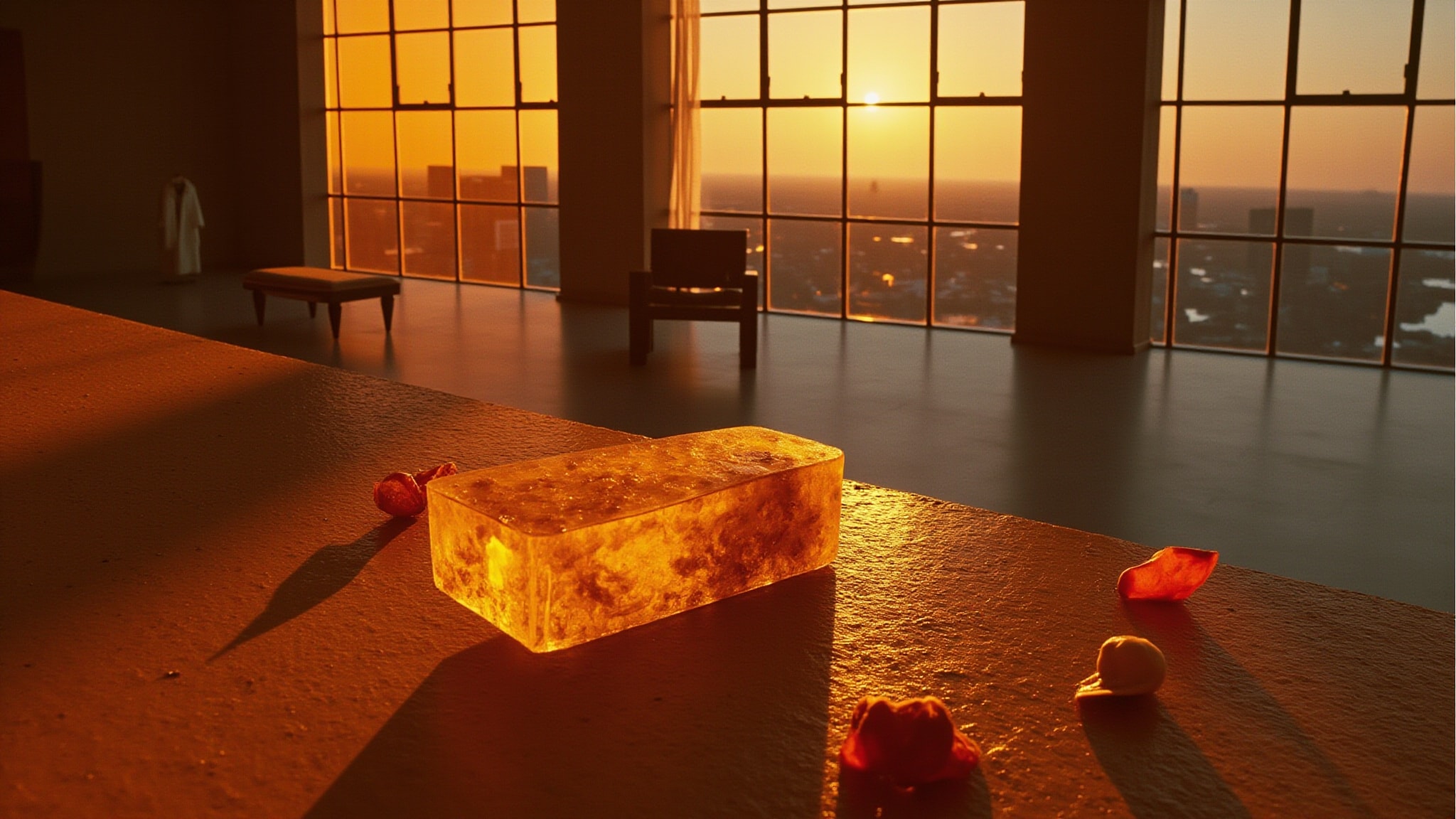
The structural gamble is the marine note threading through the entire arc. Most fragrances use aquatic accords as a bright opening that disappears within minutes. Here, red algae acts as a continuous undercurrent, salt and mineral depth that keeps the warmth honest, prevents the amber from becoming syrupy. The combination of benzoin and labdanum in the base doesn't just provide longevity; it creates a powdery haze that lingers close to the skin, the olfactory equivalent of candlelight seen through stained glass. Canali's use of Gayo Island patchouli grounds everything with an earthy, slightly bitter finish that stops the composition from floating away entirely.
The evolution
The opening arrives quickly, red mandarin zest followed immediately by the lagoon accord, cool and slightly briny. The citrus provides bright energy while the marine element grounds it in something aquatic and atmospheric. Soon the spice pyramid begins to unfold, clove and nutmeg warming gradually as the marine note recedes to a whisper. The Turkish rose doesn't announce itself so much as emerge slowly, wrapped in myrrh's balsamic weight and becoming more apparent as the top notes settle. By the second hour, the heart has settled into something warmer and more intimate. The base notes, benzoin, labdanum, Peru balsam, begin their slow reveal, creating a powdery amber haze that dominates the drydown. Patchouli arrives last, quiet and earthy, pushing through the sweetness like old stone through moss.
Cultural impact
Philtre d'Ambre enters the fragrance conversation as an independent Venetian composition that resists easy categorization. The marine-amber combination places it outside the typical boundaries of either fresh aquatics or warm orientals, creating something that exists in between these more familiar categories. This positioning makes it distinctive in a market where many releases lean toward recognizable archetypes. The composition offers wearers something with atmospheric specificity rather than generic luxury associations, grounding its appeal in place and memory rather than status signaling.