The Story
Why it exists.
The beginning
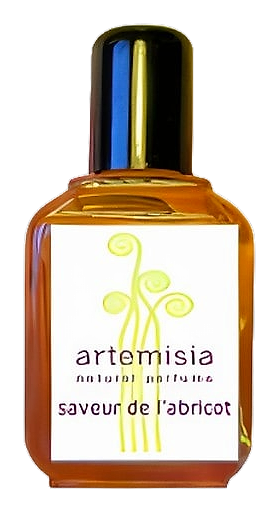
Lisa Fong made Saveur de l'Abricot because apricot was, and probably remains, one of the hardest notes to render honestly in natural perfumery. The fruit's particular sweetness, its fuzzy-stone warmth, the way it sits between tart and creamy without tipping either way, all of this resists easy translation into a bottle. Fong works the other way around. Saveur de l'Abricot, released in 2013, pulls its apricot character from materials that already speak the fruit's language rather than approximating it. The osmanthus absolute at the heart of the composition carries its own apricot-adjacent facets, a leathery, dried-peach quality that echoes the fruit without quoting it directly.
What makes this composition unusual is how much the structure does its own storytelling. Osmanthus is the structural backbone here, but it is also something more: a material that already contains the fruit impression the fragrance is trying to build. The absolute carries apricot-like, leathery-fruity facets as part of its own aromatic profile, which means the composition does not need to layer additional fruit elements to reach the apricot effect.
The evolution
On skin, the opening announces itself softly, almost as a suggestion rather than a declaration. Apricot arrives first, rounded and just-ripe, with that fuzzy-stone-fruit quality that never tips into sweetness. There is a restraint to the opening, a held-back quality that lets the fruit feel like fruit rather than like the idea of fruit. Within ten or fifteen minutes the osmanthus begins to surface, adding a leathery apricot-skin texture and a faint honeyed undertone that the fruit alone could not provide. The two materials meet in the middle of the wear, and the composition takes on a warmer, more dimensional quality, less about the fruit in isolation and more about the air around it. There is also a quiet green note, the suggestion of leaves and stem rather than any overt foliage, that keeps the composition from sliding into jam.
Cultural impact
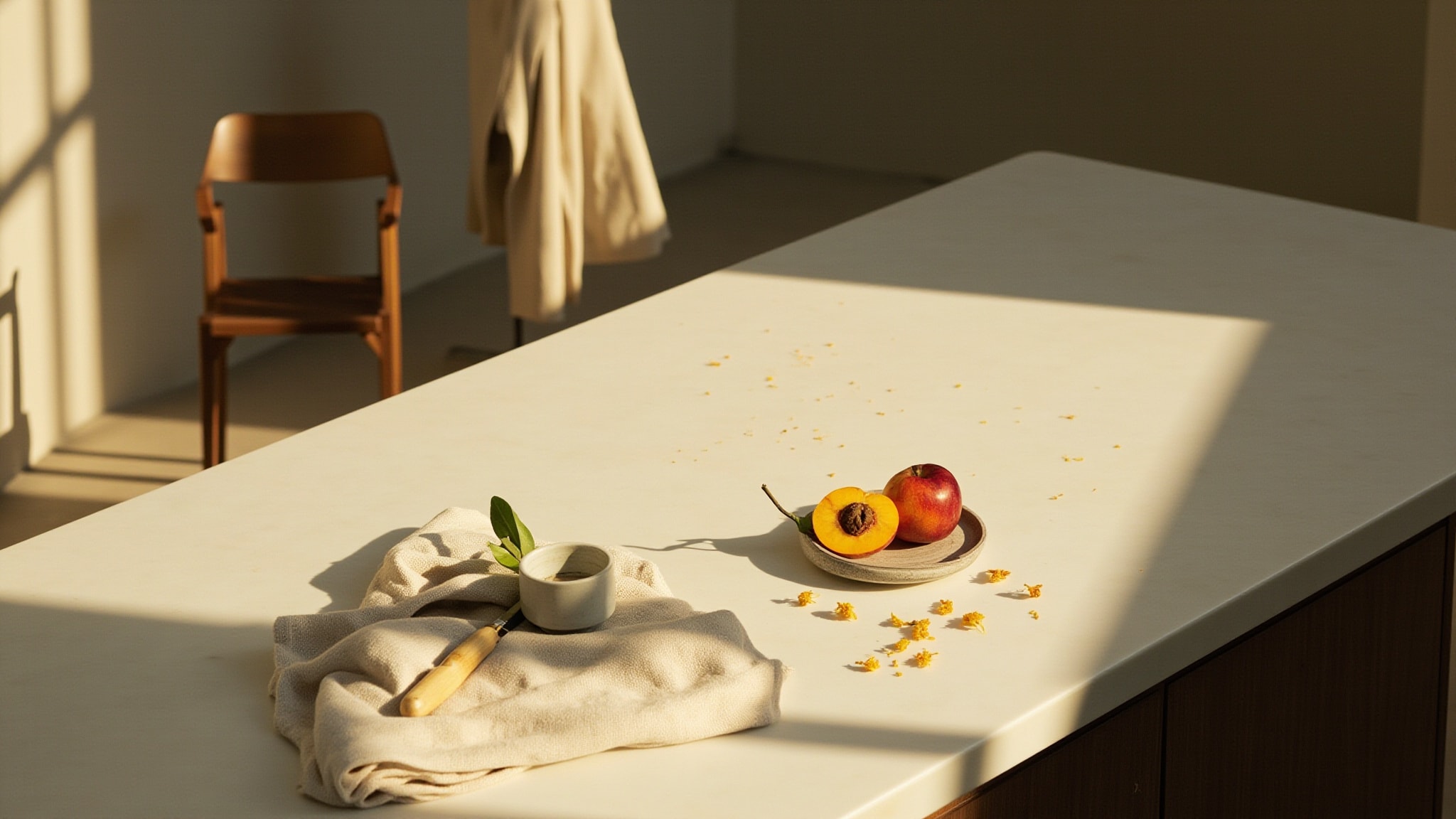
Wearers tend to describe Saveur de l'Abricot as a kitchen-window fragrance: the scent of fruit ripening on the sill while something floral dries in the next room. The image recurs often enough that it has become a kind of shorthand for the composition, a way of pointing at what the fragrance does without listing its materials. It captures something the wearers recognize immediately: a perfume that smells like a place rather than a product, like an afternoon in early autumn when the fruit is coming in and the osmanthus, if there were any nearby, would be blooming alongside it.