
The Story
Why it exists.
The beginning
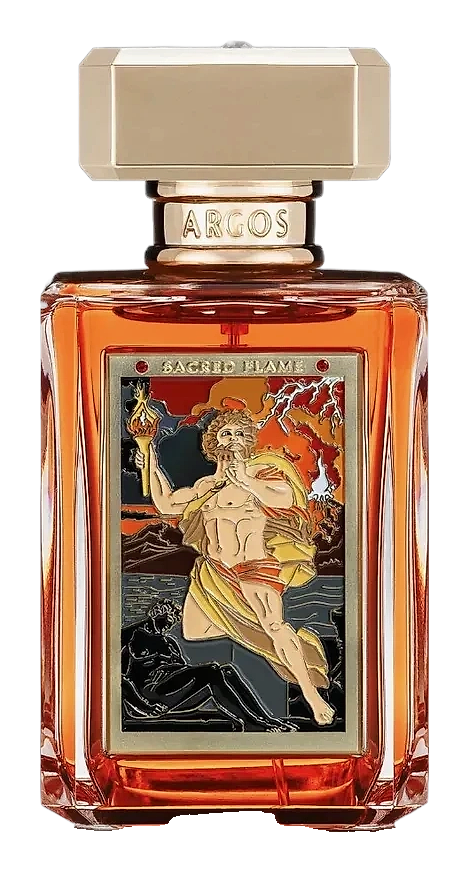
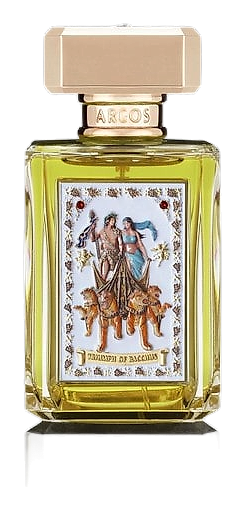
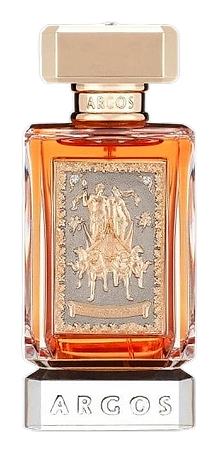
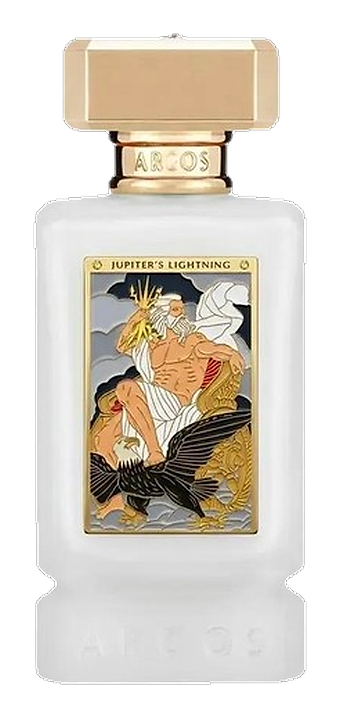
Christian Petrovich named this fragrance after the weapon of Jupiter, the lightning bolt that divided sky from earth. It's a study in contrast: the crack of citrus and spice that announces itself, then the quiet herbal calm that follows. The tea and orris heart represents the aftermath, the settling calm after the storm. Argos's mythological framework gave Petrovich the structure to explore this duality.
The heart of this fragrance is where Petrovich's vision becomes clear. Tea and saffron are unusual bedfellows, one herbal and calming, the other warm and slightly medicinal. But orris root softens both, adding a powdery floral quality that bridges them. The result is a heart that feels both grounded and delicate, like morning mist on a forest floor. It's the kind of combination that could easily fall apart, but here it holds together.
The evolution
The opening announces itself boldly, lemon and cardamom crackling like electricity. Within minutes, the juniper arrives to cool the charge, creating a brief green freshness. Then the heart takes over: tea and saffron unfold slowly, with orris adding a powdery softness that tempers the spice. The base is where the surprise lives, musk arrives earlier than expected, adding a warm animalic undertone that grounds the brighter notes. Cedar and cypress settle in last, creating a dry woody finish that lingers for hours. On fabric, the drydown can last into the next day.
Cultural impact
Jupiter's Lightning arrives at a moment when the fragrance market is saturated with safe, mass-appealing scents. Argos's mythological positioning, treating each fragrance as a retelling of ancient legend, offers something different: narrative depth in a bottle. This scent appeals to those who want fragrance to tell a story, not just smell pleasant. It's for the wearer who wants to be remembered, not just recognized.