The Story
Why it exists.
The beginning
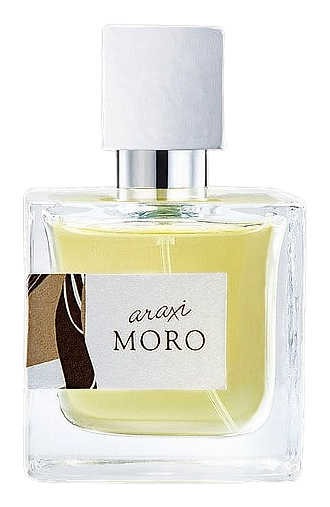
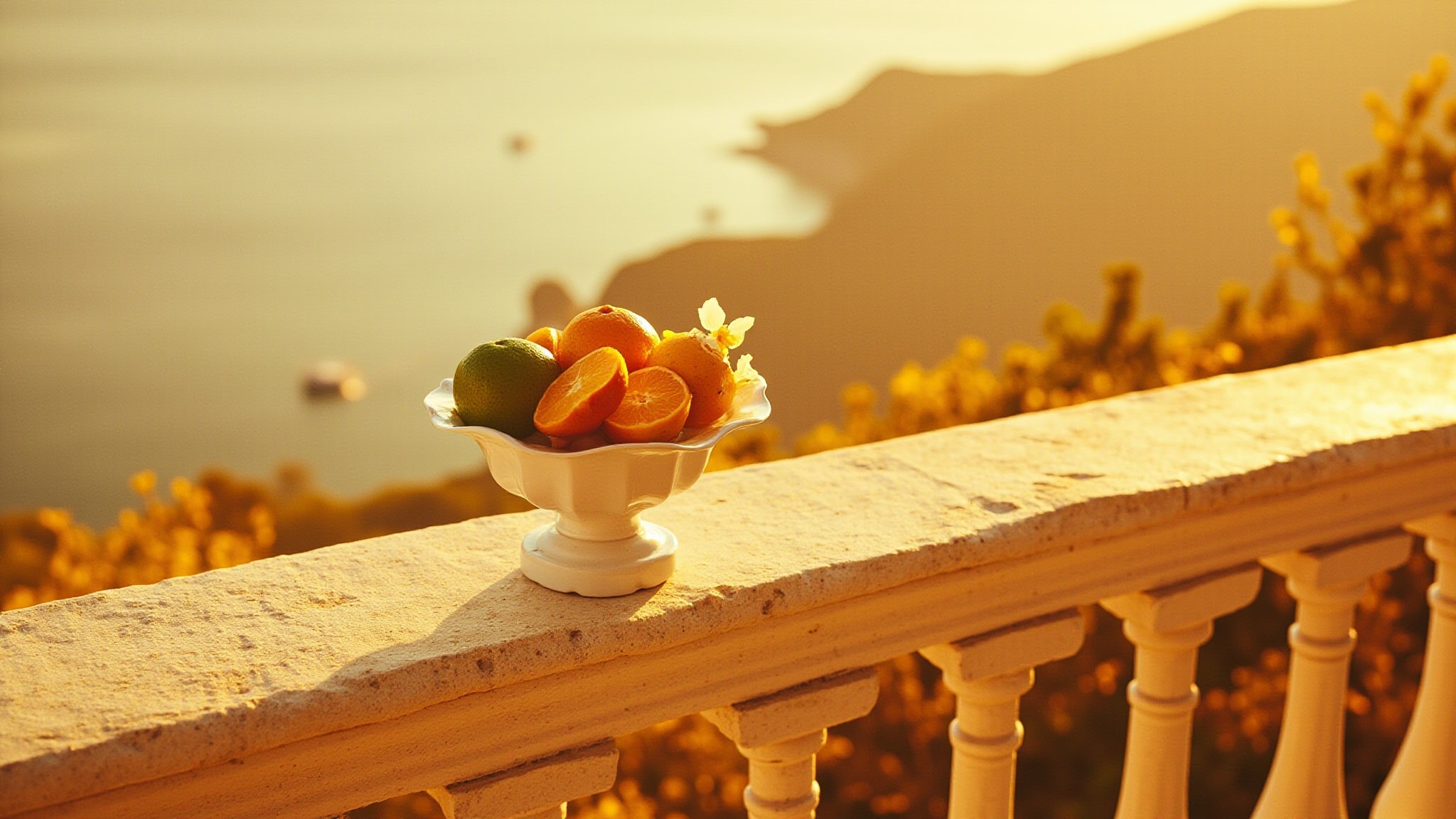
Simone Scaglietti built Mora around a single question: what does Sardinia smell like in the hour before the tourists leave? The answer isn't sea salt or wild myrtle. It's the citrus groves above the cliffs at Capo Mannu, where bergamot trees grow in sheltered groves protected from the wind off the Tyrrhenian Sea. Scaglietti starts here with sharp, almost sour orange peel and bright bergamot, letting them carry the full weight of that late-afternoon light before the island goes quiet. The name Mora means mulberry in Italian, that deep, wine-dark fruit that stains fingers and slows you down, but the fragrance itself holds something more specific: the moment the light turns golden and the coast empties out.
The note pyramid is deliberately lightweight at the top and warm at the base. Scaglietti uses bergamot not as decoration but as a structural element, a sharp counterweight to the creamy jasmine and sweet peach at the heart. The drydown with benzoin and vanilla was chosen because both materials carry the amber quality of late Sardinian light without the heaviness of traditional oriental bases. Patchouli grounds the sweetness and prevents the fragrance from floating off the skin entirely. On the wrist, this combination reads as Intimate rather than loud. The citrus opens, the florals bloom, and the warm base lingers close to the skin for four hours or more.
The evolution
The opening arrives like a sea breeze through citrus trees. Bergamot and orange land first, sharp and sparkling, with the orange carrying a slightly tart, almost rind-like quality. Within twenty minutes apple blossom emerges alongside ripe peach, adding a soft sweetness that feels closer to skin than to air. Jasmine holds the heart tog ether, lending a creamy floral depth that prevents the fruit from becoming too simple. The drydown is where the Sardinian earth shows itself. Benzoin arrives quietly, bringing a warm resinous quality that blends with vanilla to create a sweet, almost syrupy base. Patchouli keeps things grounded with a faint dusty edge that reminds you this is an island fragrance, not a synthetic fruit salad.
Cultural impact
Mora sits in a crowded category, fruity-floral women's fragrances, and differentiates through restraint rather than spectacle. The Sardinian identity gives it a geographic story that most peers lack, while the compact note structure makes it feel curated rather than maximalist. Wearers describe it as the scent of someone who walked in from the coast and forgot to announce themselves. Not a statement fragrance. An atmosphere.
The House
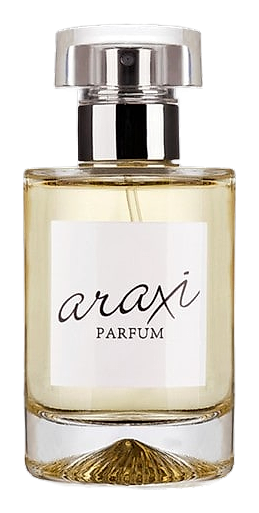
Araxi ParfumAraxi Parfum emerges from the rugged coastline of Sardinia, where the sea meets a sky that burns orange at sunset. Founded in 2019, the house channels that fleeting light into scent, offering a concise portfolio that includes its eponymous debut, Mora and Moro, all released the same year. Each fragrance unfolds like a tide, beginning with a bright, airy opening that deepens into a warm, mineral‑rich base. The brand positions itself as a quiet alternative to louder niche houses, inviting wearers to pause and breathe the scent of a Mediterranean evening.
The Creator
Simone ScagliettiIn the studio, Scaglietti favors a restrained palette anchored by classic Italian accords: bergamot, neroli, and Tuscan rosemary sit beside richer notes of leather, tobacco, and amber. He often begins with a single evocative ingredient, then builds layers that echo the structu…