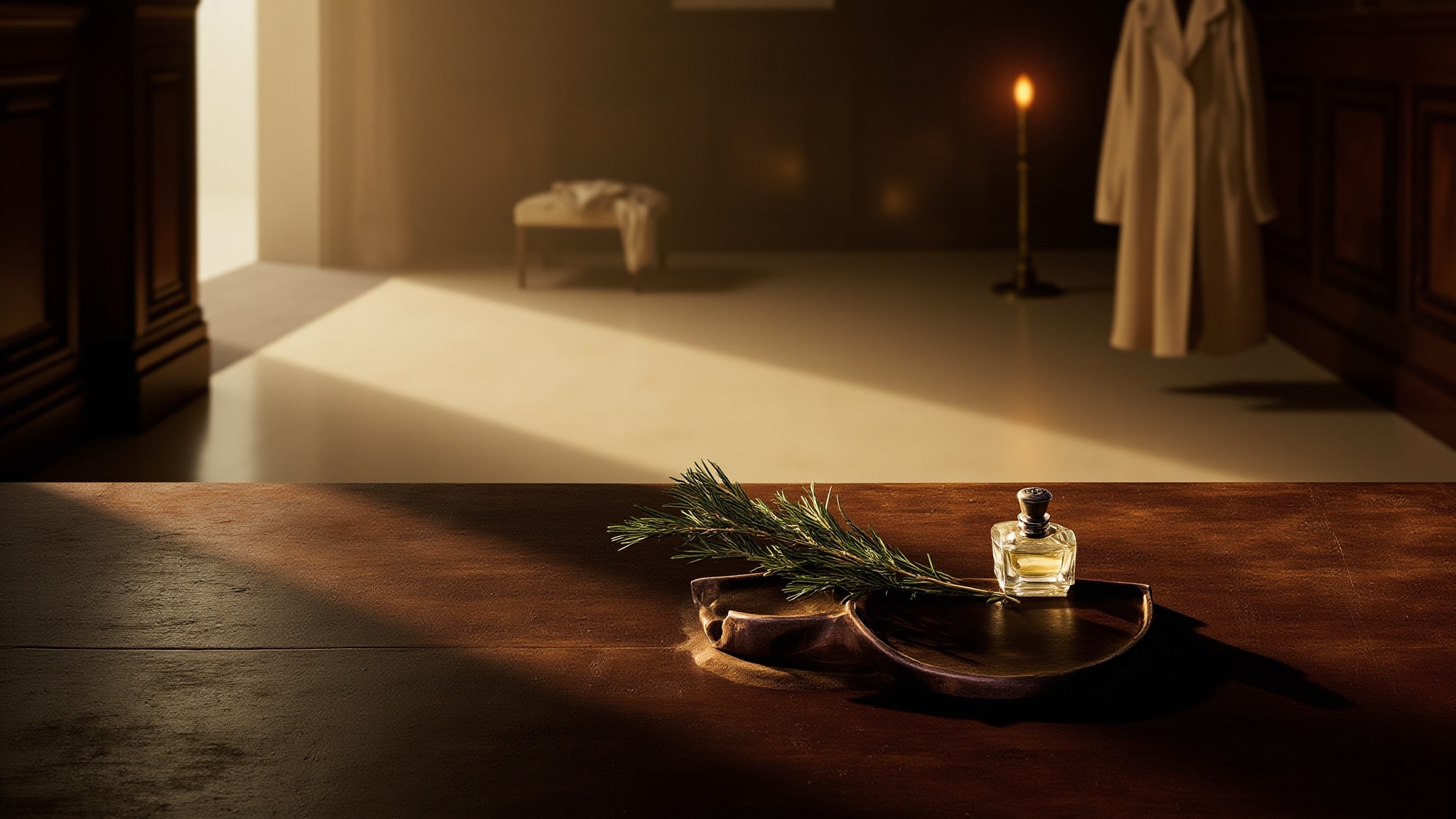
The Story
Why it exists.
The beginning
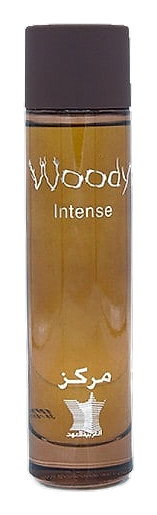
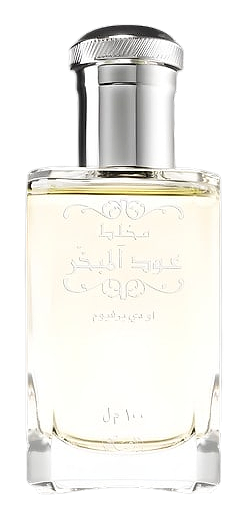
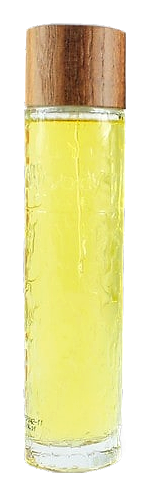
Arabian Oud built its name on pure, unapologetic oud, the kind that announces itself before you've even opened the bottle. Woody Style started as a different question: what if incense could be worn, not just burned? The brief was to take that warm, smoky foundation and make it breathable. Everyday. Approachable without losing the house's DNA. Lily of the valley brought softness. Basil brought green. Together, they created something that opens like a perfumery, herbal, resinous, alive, then settles into woods that feel inherited, not purchased.
The note pyramid reads like a study in balance. Lavender's camphor and basil's aniseed open bright and almost medicinal, cutting through the incense smoke before it can overwhelm. Then three woods, cypress, patchouli, sandalwood, take turns anchoring the composition. None dominates. Cypress brings dryness, patchouli brings earth, sandalwood brings cream. The real achievement is the oud arriving last. It's been filtered through sandalwood, tamed without being diminished. That's harder to achieve than raw power, it's the difference between a shout and a whisper that still commands attention.
The evolution
The first ten minutes hit herbal. Lavender's camphor sharpens into basil's aniseed bite, almost medicinal, like walking into a perfumery where someone just burned a bundle of herbs. Incense smoke threads through, cool and resinous. By the half-hour, the green notes recede. The heart reveals its architecture: cypress brings its pencil-shaving dryness, patchouli adds dark earth, sandalwood slides in creamy and warm. Three woods, but none competing. They layer like pages in a book. Then, hours in, the base does what bases do. Oud surfaces last, the tell, the signature, the reason you're wearing this. Clean, not skanky. Polished dark wood. White musk keeps everything close, intimate rather than projecting. The longevity data says 8-10 hours, and users confirm it. One reviewer put it plainly: lasts for days on fabric.
Cultural impact
Woody Style occupies a particular space: the bridge fragrance. It carries Arabian Oud's oud heritage into territory Western noses find accessible. For wearers new to oud, intimidated by raw, animalic expressions, this offers the material without the confrontation. It has found favor among those who appreciate what the brand does but want something softer, something for daily wear rather than special occasions. In markets outside the Middle East, it often serves as an entry point to the house. That role, introduction rather than statement, suits it.