The Story
Why it exists.
The beginning
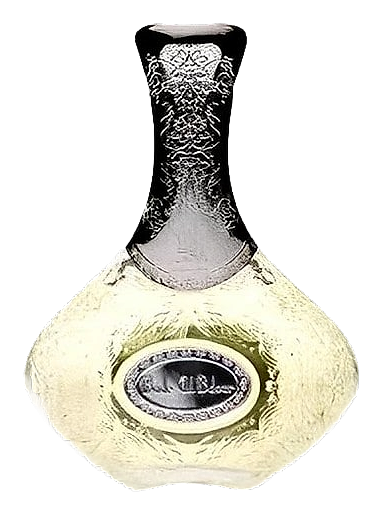
Badr Al Bdour is part of Arabian Oud's broader catalogue of mixed-note creations, the kind the house built alongside its pure oud expressions to round out its offerings. Decades of work produced a catalogue spanning a wide range of scents, including ones like Badr Al Bdour that lean on fruit and white floral rather than smoked wood. The fragrance is classified as a feminine oriental floral, opening with the bright tropical-juice combination of lychee and raspberry, then settling into a warm, honeyed patchouli base that carries unmistakable Arabian Oud DNA. That DNA shows up not just in the resinous undertone but in how the sweet and floral elements are balanced against a darker, earthier foundation.
What's interesting here is the tension between the top notes and the base. Raspberry and neroli read fresh and bright, but the drydown pulls back to honey and amber, a combination rooted firmly in Middle Eastern perfumery. The patchouli is what bridges those worlds. It anchors the floral heart of jasmine and gardenia without letting the composition float into sheer sweetness. The result is a hybrid that opens with a clear fruity-floral character for the first stretch, then transforms into something warmer and more resinous as the hours unfold. The neroli deserves special mention here.
The evolution
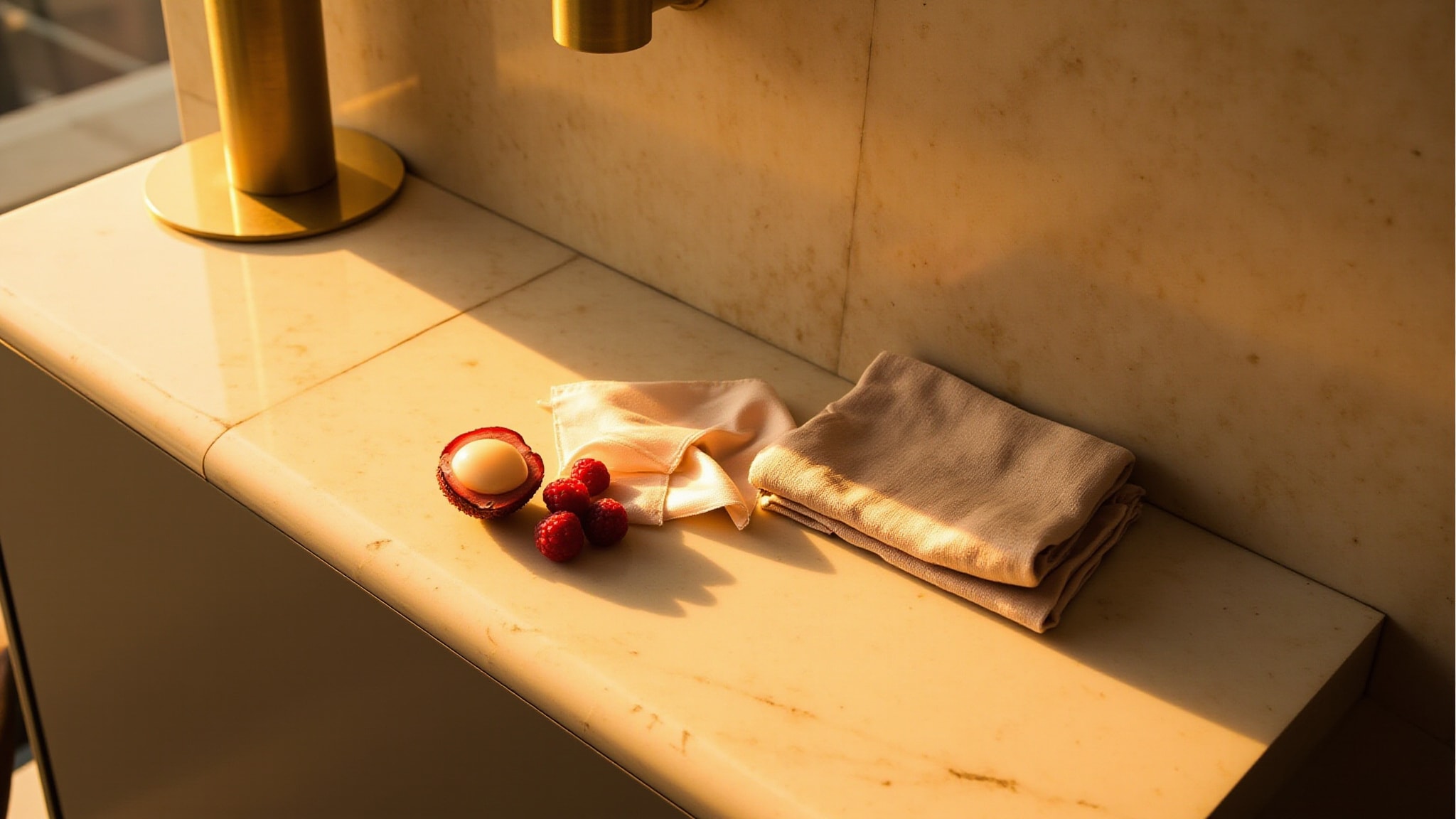
The first 15 minutes are pure fruit: lychee and raspberry hit cold and wet, like chilled juice over crushed ice, with neroli adding a faint soapy lift. Around the 30-minute mark, jasmine and gardenia take over, and the fruit recedes into something rounder, creamier. The white florals hold their ground for roughly 2 hours, never losing that lactonic softness, before patchouli begins to rise from underneath. By hour 3, the honey has thickened, the amber has warmed, and the composition has shifted from bright and juicy to deep and golden. What surprises is how long the patchouli lasts. The drydown stretches well into the evening, a quiet trail of honey-amber-wood that maintains its presence without ever becoming heavy or cloying. The patchouli in the base behaves unlike many of its more aggressive counterparts.
Cultural impact
Badr Al Bdour reflects a broader pattern in contemporary Arabic perfumery, where houses blend traditional Middle Eastern perfumery conventions with fruity-floral compositions that feel immediately familiar to a wider audience. The fragrance pairs neroli, lychee, and raspberry in its opening, a combination that signals accessibility without abandoning its regional roots. The heart of jasmine and gardenia adds a creamy, almost tropical lushness, while the base of honey, amber, and patchouli grounds everything in a warmth that reads unmistakably as Arabian.