
The Story
Why it exists.
The beginning
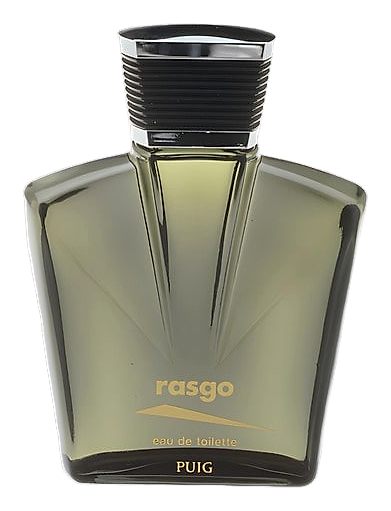
Rasgo arrived in 1990 from Antonio Puig, a Spanish house whose catalog already held heavyweights like Quorum and Agua Brava. The fragrance was calibrated for warm-weather wear, built around an orange note rendered with unusual naturalism. The orange behaves like actual fruit, pulpy and slightly sweet rather than candied or metallic, and sits over a green accord that gives it a herbal backbone without tipping into anything soapy or sharp. There's nothing here trying to be louder than the next thing, no shouting top notes, no bombastic base. The composition moves with the kind of restraint that signals confidence rather than budget.
What makes Rasgo worth attention is what it refuses to do. The orange in the opening behaves like actual fruit, pulpy and slightly sweet, not candied or metallic. The green accord underneath gives it a herbal backbone rather than a soapy one, pulling toward something leafy and stem-like rather than anything that smells like detergent. That distinction matters more than it might sound. A citrus fragrance can read as either alive or aseptic, and the difference comes down to whether the materials smell like they came from a tree or from a lab. Rasgo lands firmly on the alive side.
The evolution
The first ten minutes belong entirely to the orange. It opens bright and ripe, not candied, with a green thread running through it that keeps the sweetness honest. That citrus phase is generous, holding its shape longer than most fresh fragrances allow. The fruit character reads almost edible, like the moment you peel a ripe orange and the mist catches your nose before the segments even come apart. Around the thirty-minute mark, the herbs take over. The green accord that Puig built into the heart steps forward, and the orange recedes into something warmer, more like dried peel than fresh fruit. That transition happens smoothly, without any hard line between phases. By the two-hour mark the composition has shifted into its woody phase. A soft, unsweetened base settles in. There's no heavy resin, no amber bomb, nothing that announces the drydown from across the room.
Cultural impact
Rasgo carries the same accessible Mediterranean spirit as the rest of the Puig catalog, just dialed toward spring and summer. Wearers tend to find it through the Puig loyalist circuit, people who already know Sybaris and Agua Lavanda and are looking for the house's lighter side. There's a quiet word-of-mouth reputation that follows the fragrance among old-school enthusiasts, the kind of wearers who keep bottles from decades ago and trade notes about what still holds up. It has been compared to a softer Quorum or an Aqua Quorum with more fruit, a reference point that makes sense if you know the house.