The Story
Why it exists.
The beginning
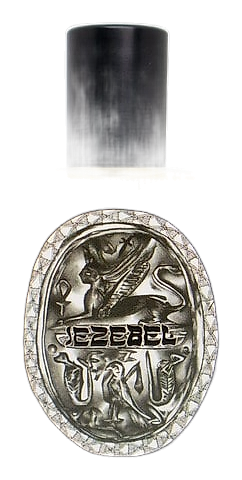
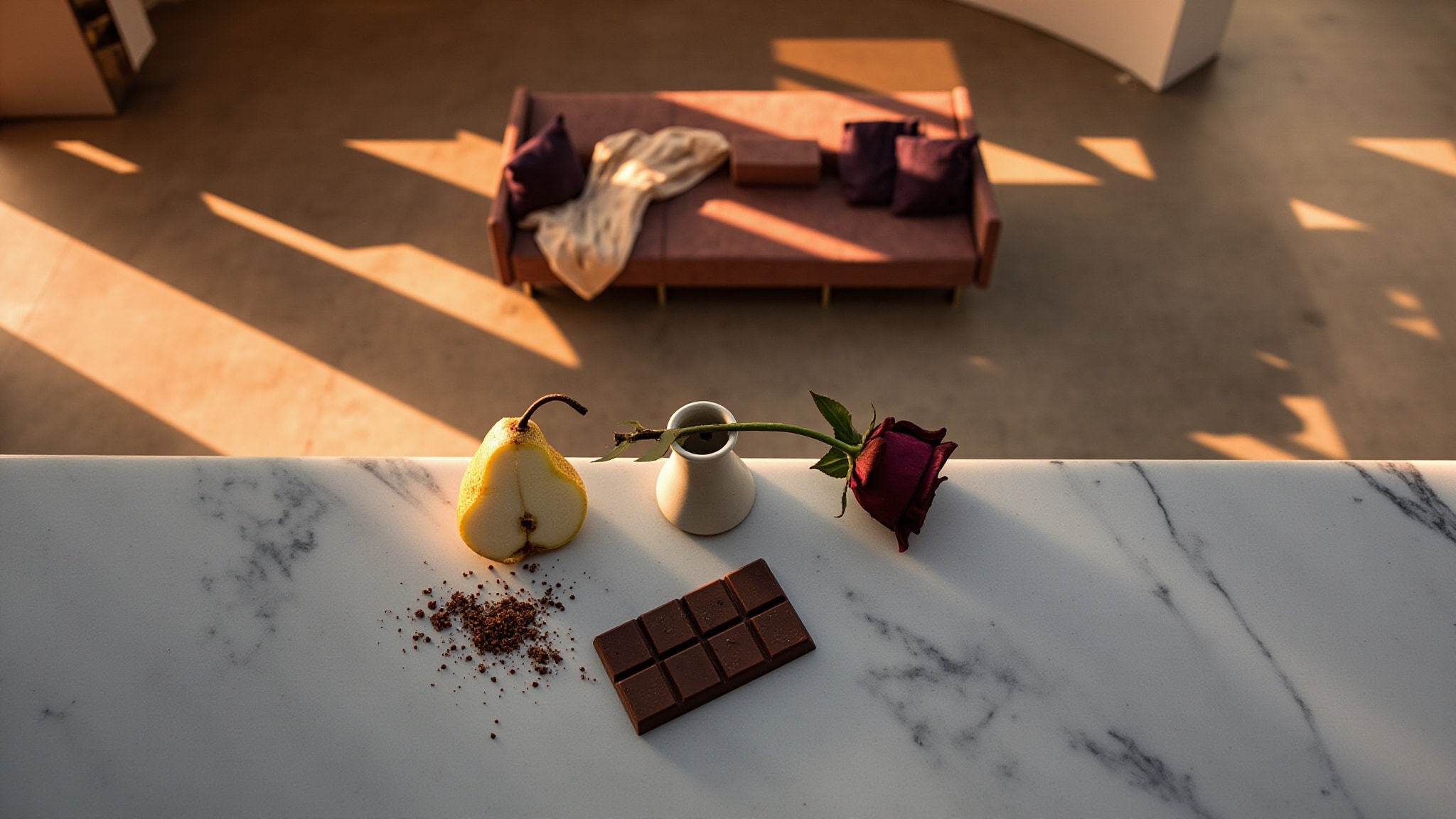
Jezebel is named for a woman history couldn't agree on. Seductive, cunning, unrepentant, a figure who refused to play by anyone's rules but her own. Ali Erkekli built this fragrance around that tension: the idea that something beautiful can also be dangerous, that what's inviting might not be what it seems. The name isn't decoration. It's the point. Released in 2019 as one of Anka Kuş Parfüm's first compositions, Jezebel arrived with a brief the perfumer stated plainly: create a scent that seduces, that entices you into thinking you've figured it out, then perpetually transforms. The opening needed to be playful, pear, vanilla, chocolate. Draw the wearer in. Then the rest of the fragrance was meant to do something else entirely.
What makes Jezebel structurally unusual is the osmanthus. That material sits in the base but its character, wild, shape-shifting, defines the fragrance's middle act. Sweet fruit on one pass. Leather and tobacco on the next. The perfumer knew osmanthus behaves differently on every skin, and he leaned into that unpredictability rather than fighting it. The result is a fragrance that genuinely evolves over wear. Not linear. Not safe. The chocolate-pear opening is a portal, not a destination. What you encounter on the other side depends on your chemistry, the temperature, the hours. That's the seduction: you're never quite sure what you've signed up for until you're already in it.
The evolution
The opening arrives quick and bright. Chocolate and pear, familiar, comforting, almost disarmingly sweet. For the first twenty minutes, Jezebel reads as a straightforward gourmand. A dessert you could wear to breakfast. Then the rose arrives. Damask rose, not soft or powdery but saturated with warmth, pushed forward by Moroccan jasmine and cashmere musk. The sweetness doesn't disappear, it deepens. Becomes something you feel rather than just smell. This is the seduction phase. The part where the fragrance earns its name. By the third hour, osmanthus has taken over. That's when things get interesting. The material swings from sweet fruit to leather and tobacco, and the direction it takes depends on your skin. Some wearers get smoke. Some get something darker and floral. Some get both in the same hour. The sandalwood and tonka bean arrive as the finale, warm, close, intimate. Not projection anymore. Presence. The kind that stays on your skin and your clothes long after you've left the room.
Cultural impact
Jezebel has found its audience among wearers who appreciate that the name isn't decoration. Those drawn to it tend to be looking for something that evolves rather than simply projects, a fragrance that changes on skin rather than announcing itself and staying put. The osmanthus is the element that generates the most discussion: its unpredictability is either the main draw or the main hesitation, depending on what the wearer was expecting from a chocolate-pear opening.