The Story
Why it exists.
The beginning
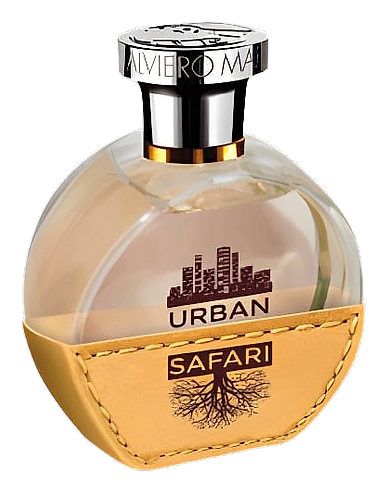
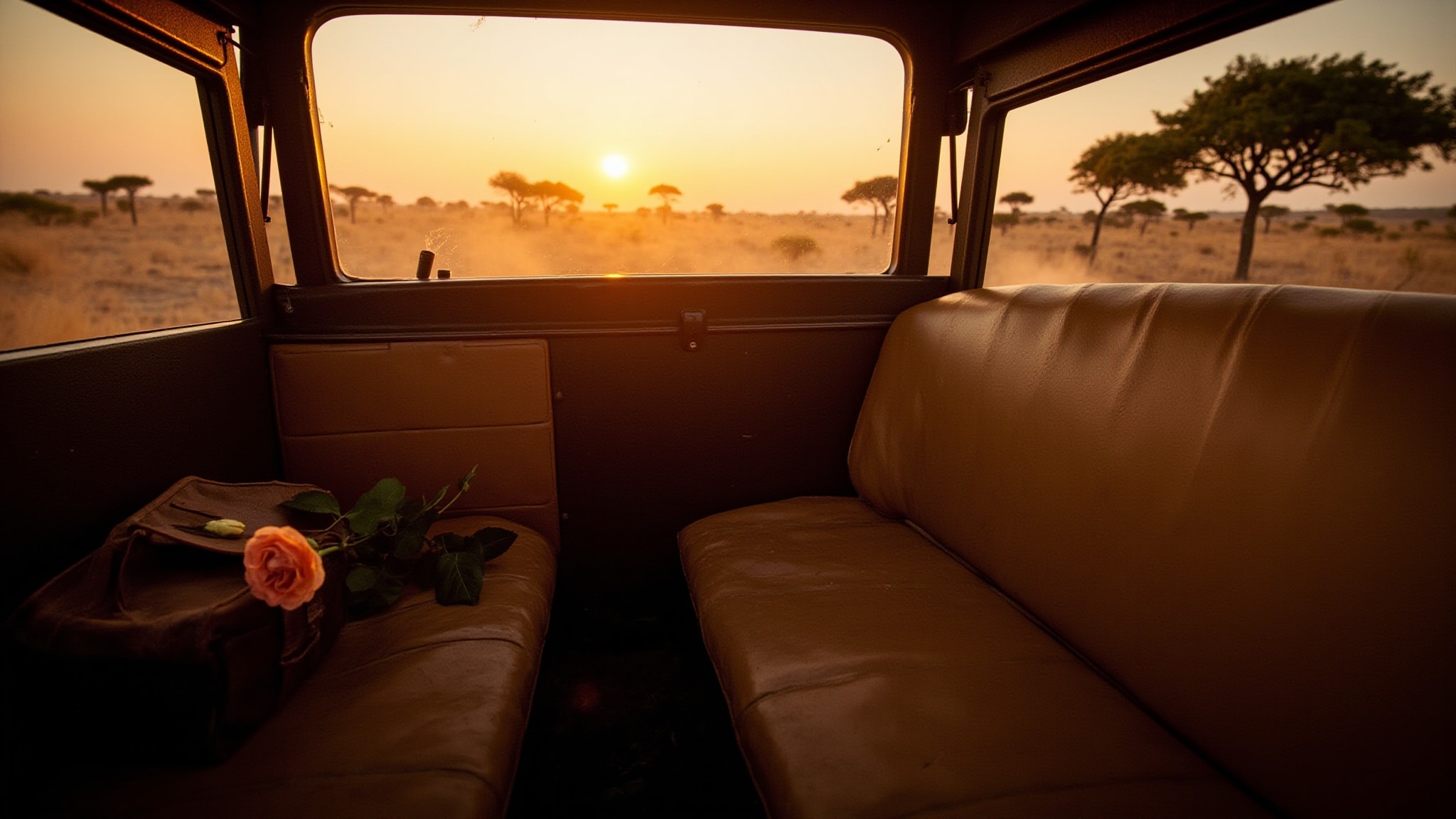
Urban Safari Woman arrived in 2010 as part of Alviero Martini's Spring-Summer collection, which drew its fashion palette from South Africa, dusty savanna, wide sky, acacia shadow. The name Urban Safari says it plainly: the tension between metropolitan and wild, city-worn and jungle-deep. This isn't a fragrance for people who want to smell like a resort. It's for the woman who looks at a map and thinks about what's beyond the marked roads. The collection itself explored that same duality, couture meeting untamed terrain, the structured against the free-roaming. Fabric moved like heat shimmer across open plains. Silhouettes carried the ease of someone who's comfortable navigating both Fifth Avenue and the Kalahari.
The pyramid holds an interesting tension. Bergamot and rose at the top, civilized, bright, the kind of opening that reads as polished in any room. The heart introduces white florals that arrive with presence, jasmine, ylang-ylang, and others that layer together, creating density without chaos. That's a loud heart. In lesser hands it would be too much. The oak moss and sandalwood anchor the composition, keeping the florals from taking over the room, grounding the scent in something earthier and more deliberate. The vanilla doesn't sweeten so much as soften.
The evolution
Bergamot hits first. Calabrian, citrus-bright, a sudden opening that reads almost sharp before the rose arrives to soften it. The rose doesn't fight the bergamot, it layers over it, creating a white floral effect that isn't quite rose anymore. Ten minutes in, the jasmine and ylang-ylang join. The heart is dense at this point. Violet adds a powdery edge that keeps the florals from feeling too tropical. The drydown is where it earns its name. Oak moss arrives first, green, earthy, almost mossy in the literal sense. Sandalwood follows, warm and creamy, and the vanilla finally announces itself, but quietly. The white musk keeps everything close to the skin. By the second hour, it's a skin scent. You have to lean in. The oak moss and sandalwood outlast everything else, persisting for another three to four hours on most skin types, with a faint warmth where the vanilla settled.
Cultural impact
Urban Safari Woman arrived as part of a Spring-Summer collection that drew explicit inspiration from South African landscapes. Alviero Martini's cartographic prints had already established the brand's geographic aesthetic, and this fragrance extended that visual language into olfaction. The fashion line brought savanna dust, acacia shadow, and wide sky into its designs, while the scent captured complementary dimensions of that landscape, warmth, openness, the smell of distance. Safari aesthetics had long held appeal in fashion, romanticizing untamed landscapes and the freedom of open terrain.