The Story
Why it exists.
The beginning
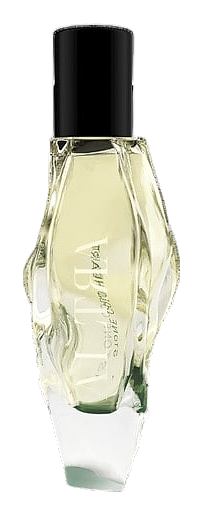
Stone Cold Heart began as a question: what does cool actually smell like? Not cold in the citrus sense, but the feeling of space opening up, of volume and breath where there was compression before. Beckielou Brown worked with mate tea, its herb-sweet greenness, and Haitian vetiver, earthy and smoky at once, to build that elemental quality from the ground up. The name came last, or maybe it was always there, waiting for the right composition to claim it.
Natural perfumery demands a different kind of discipline. Synthetics can be engineered to perform consistently, but natural materials are temperamental, they shift with skin chemistry, temperature, even the humidity in the air. Beckielou Brown works with this unpredictability rather than against it, selecting ingredients for their olfactory character and how they interact within a blend. The result is a fragrance that breathes differently on each wearer, that feels alive rather than static. Stone Cold Heart exemplifies this philosophy: every note earns its place, nothing is hidden behind a synthetic base.
The evolution
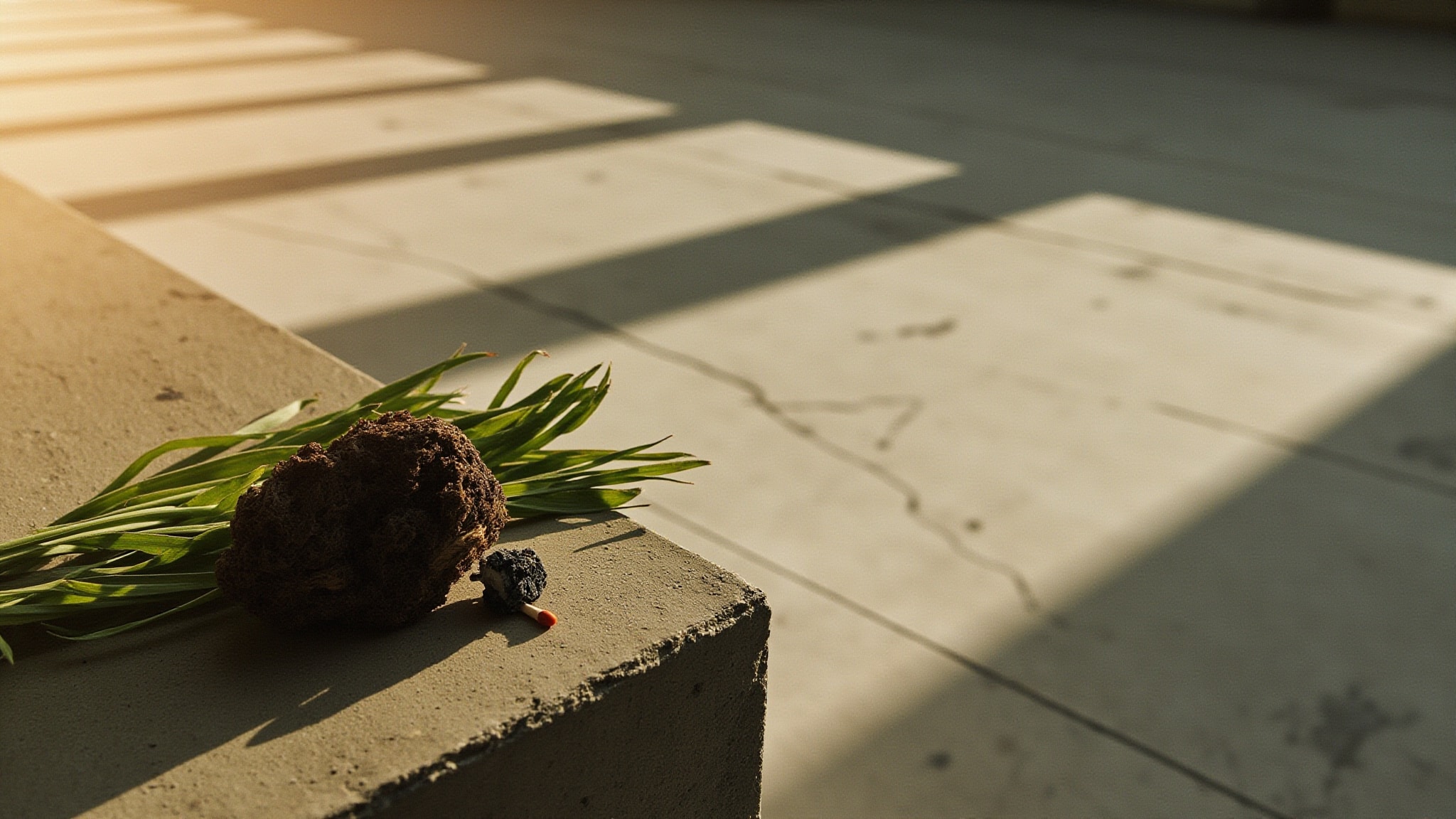
The opening arrives green and herb-sweet, mate tea asserting itself with a clarity that feels almost medicinal before it softens. Haitian vetiver appears within minutes, its smoky-earthy character tempering the brightness without killing it. The two notes hold a tension that lasts a good while. Then orris enters, bringing that intangible powdery softness that lifts everything, makes it feel airy rather than heavy. Cedarwood arrives next, rounded and smooth, taking over the conversation. By the time you hit the three-hour mark, the drydown is a quiet musk skin accord, the incense threads through everything but never dominates. The next morning, there's a ghost of cedar and smoke on fabric. Still alive.
Cultural impact
Stone Cold Heart arrives at a moment when natural perfumery is experiencing a quiet renaissance, driven by consumers questioning what they apply to their skin. Altra's commitment to 100% natural ingredients sets them apart in a market where 'natural' claims often blur the line between marketing and chemistry. The inclusion of mate tea, a material more common in South American beverages than Western perfumery, reflects a broader globalization of olfactory palette, drawing from yerba mate traditions that have shaped social and ritualistic culture across Argentina, Paraguay, and Uruguay for centuries.