
The Story
Why it exists.
The beginning
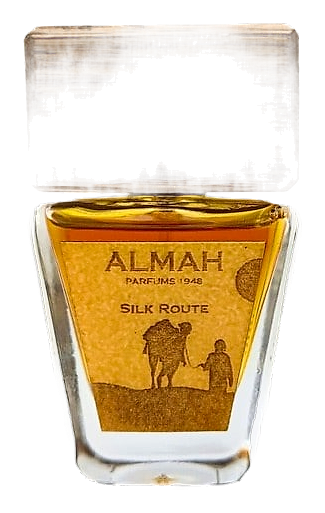
Silk Route arrived in 2024 as a tribute to old merchants and the stories they carried between distant places. Jordi Magrans built the fragrance around Cambodian oud, cistus, amber and resins. Its note structure brings together the depth of oud, the distinctive character of cistus, the warmth of amber and the textural presence of resins, creating a fragrance centered on the materials named in its composition.
What makes Silk Route interesting is the deliberate weight of its materials. Oud supplies depth and smoke, cistus brings a rugged herbal-resinous edge, labdanum adds warmth, and amber gives the composition its glowing center. None of these notes needs a bright distraction. Together, they create a dense but controlled architecture, where wood, resin, amber and musk reinforce one another rather than compete for attention.
The evolution
Silk Route is built around a concise pairing of oud, cistus, amber and resins. Cambodian oud supplies the central woody character, while cistus adds a distinct aromatic facet. Amber brings warmth to the composition, and resins contribute a rounded, textural quality. Together, the listed notes create a fragrance that moves between dense wood, softly resinous warmth and smooth amber. Its character is most clearly expressed through the balance of these materials, with oud remaining prominent as the composition settles and the warmer notes become more apparent.
Cultural impact
Silk Route takes its name from a route associated with movement between distant places, while its composition draws on materials that carry a strong sensory presence. Cambodian oud, cistus, amber and resins give the fragrance a layered character suited to exploration. Fragrantica's community has placed it most often in cooler-weather and evening settings, reflecting the way its woody, resinous and ambered profile is received in use. Its unisex character adds another dimension to the release.
The House
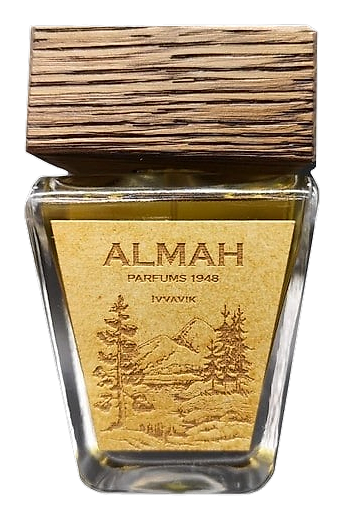
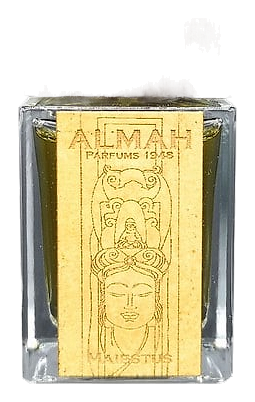
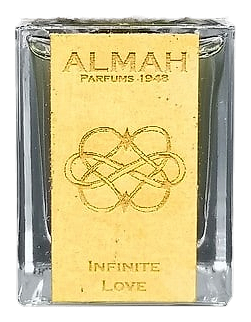
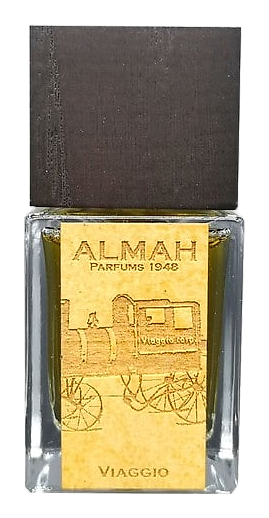
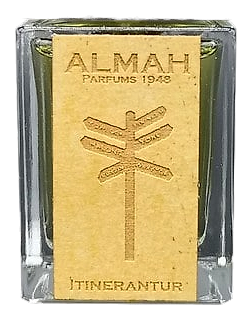
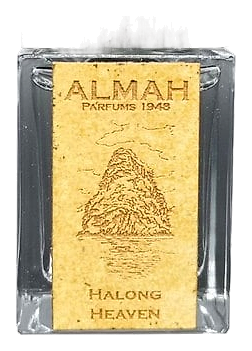
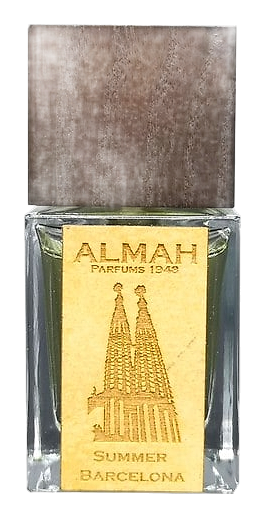
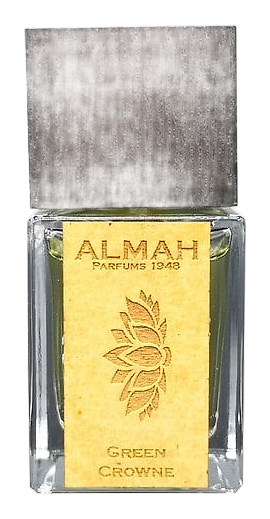
Almah Parfums 1948Almah Parfums 1948 lives in the heart of Barcelona, where a family workshop turns natural essential oils into scents that feel like a quiet walk through a Mediterranean garden. The house offers a modest catalogue that includes recent releases such as Borneus (2024) and earlier creations like Way To Wakatobi (2019). Each fragrance is presented in a clear bottle that lets the aroma speak for itself, without flashy marketing or over‑the‑top claims. The brand’s modest scale lets it focus on ingredient quality, precise maceration, and a calm, almost scholarly approach to perfume making.
The Creator
Jordi MagransJordi’s technique centers on green, herbaceous accords layered with bright citrus. He often starts with bergamot, celery or basil, then weaves in fir, cardamom and marjoram to create depth.