
The Story
Why it exists.
The beginning
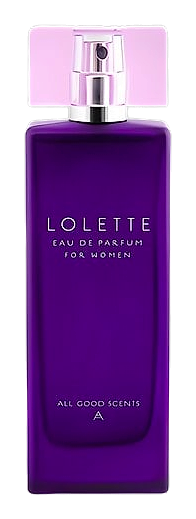
Lolette arrived in 2014 from All Good Scents, the line Rajiv Sheth built as one of India's first contemporary perfume houses. The compositions themselves come from Grasse, the old French capital of fragrance, so the juice carries a dual heritage rooted in the country's earliest ventures into modern indie perfumery, with French manufacturing as its technical backbone. The official positioning calls it "for women," but the composition doesn't flinch. Coconut, plum, apricot, then a wall of tuberose, jasmine, pimento, vanilla, and rosewood. It reads sensual, dainty, mischievous, all at once. The kind of contradiction that only works when the perfumer commits.
What makes Lolette interesting is the marriage of fruit and coconut with a genuinely indolic floral heart. Most coconut fragrances lean beachy, lazy, and one-note. Sheth pairs it with plum and apricot for depth, then drives it into tuberose and jasmine sambac for a fleshiness most tropical-leaning scents refuse. The pimento adds a warm peppery flicker underneath the cream, a spice note that reads almost like the heat inside green olives and bell peppers, keeping the sweetness from collapsing into dessert.
The evolution
The first 30 minutes are all coconut and fruit. Creamy, lactonic, almost edible. Plum and apricot sit underneath like a compote that's been sitting on the counter all afternoon, getting rounder. Then the florals arrive, and they don't ease in. Tuberose pushes forward with its full narcotic weight, jasmine sambac stacks behind it, and for the next two to three hours you're wearing something that smells alive in a slightly dangerous way. The pimento flickers underneath, warm and dry, keeping the sweetness honest. Around the five-hour mark the white florals soften, the vanilla pulls forward, and the rosewood shows up with a woody creaminess that holds the composition together. The drydown is vanilla-forward, slightly powdery, still sweet, still warm.
Cultural impact
Lolette has found a quiet following among fragrance enthusiasts who discovered it through word of mouth, often described as a hidden gem from India that wears with far more projection and richness than its availability suggests. It draws frequent comparison to established heavy-hitters like Dior Hypnotic Poison, both for its coconut-vanilla gourmand-leaning sweetness and its dense, room-filling presence, though Lolette carries more fruit in its opening and a more pronounced floral heart.