
The Story
Why it exists.
The beginning
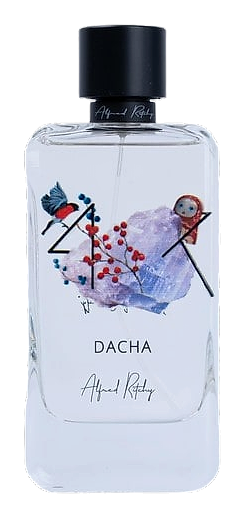
Theo Belmas created Dacha in 2022 after finding something worth pausing for. Not a grand gesture, just a pause lasting exactly 17:32 in a Russian dacha. Orchard fruits, earthy woods, the air cooling around him. That particular hour, that particular stillness. He bottled it. What began as a sensory memory became a fragrance, warm fruit and dry woods in a composition that doesn't announce itself, just settles into the afternoon and stays.
The structure here is interesting: the top notes arrive with a brightness that feels almost sunny, then surrender to an amber-wood warmth that lingers. The dry woods prevent any stickiness. They ground the peach, keep the amber from becoming syrupy. White musk in the base adds a clean finish, skin-like but not invisible. It's a composition that earns its sweetness by not insisting on it. The fragrance unfolds quietly, each layer arriving without fanfare, the way afternoon light shifts through orchard branches.
The evolution
The opening announces itself with a burst of orchard fruit, white peach, a hint of citrus, and it reads immediate. Within twenty minutes, the citrus retreats and the amber moves in. Not loud amber, not the kind that announces itself. The kind that settles. The dry woods arrive next, not as a dramatic reveal but as a quiet deepening. By the third hour, you're wearing something warm and close. Vanilla starts to surface in the final act, mixing with white musk against the skin. On fabric, the dry woods hold longer. The peach doesn't disappear so much as it transforms, becomes part of the warmth rather than the first impression. There's still something there. Soft. Quiet. A ghost of orchard and wood.
Cultural impact
Dacha arrives at a moment when independent perfumers are reshaping what niche fragrance can mean. The brand chose to anchor this 2022 release in a deeply personal memory rather than market trends. The concept references a specific form of vernacular architecture and seasonal living that shapes relationships with nature, memory, and retreat. In perfumery, this memory-driven approach represents a different direction from blockbuster aesthetics, one that values intimate storytelling over broad appeal.